
2025 Guide to Exporting Shapewear to Africa
When international trends collide with local African aesthetics, shapewear is no longer exclusive to the European and American markets. In Johannesburg, South Africa; Nairobi, Kenya; and Lagos, Nigeria, more and more African women are showcasing their confidence in their figures and their pursuit of fashion through well-fitting shapewear. In 2025, with the continued rise in sales data on African e-commerce platforms Jumia and Kilimall, shapewear has become one of the fastest-growing segments in African women’s apparel. To seize this market opportunity, it’s essential to first understand the real needs of African women and then accurately match the latest designs.
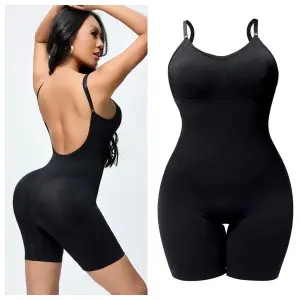
I. Understanding the “Essential Needs for Shapewear” among African Women: Three Core Demands to Avoid
African women’s choice of shapewear is never a blind pursuit of trends, but rather a “practical choice” based on their own body characteristics, daily situations, and aesthetic preferences. From Jumia’s offline research report to Kilimall’s buyer feedback, these three core demands consistently emerge:
1. Size: Rejecting “petite” styles, plus sizes are the mainstream.
Unlike the common small and medium-sized designs in China, African women prefer “plus-size friendly” shapewear that can accommodate fuller figures. Kilimall platform data shows that the top three best-selling shapewear sizes are all XL-4XL, with some styles targeting the South African and Nigerian markets even offering a 5XL option.
Meanwhile, “elasticity” is an uncompromising requirement. For example, TOPMELON’s main plus-size bodysuits use a fabric combination of 90% polyester and 10% spandex, which can firmly fit the body’s curves while ensuring comfort for daily activities—this “fitting yet not constricting” characteristic is the key standard by which African women evaluate whether shapewear is “comfortable to wear.”
2. Color: The More Vibrant, the More Popular
“Dull colors make a person look lifeless,” is a common sentiment among African women in Jumia’s research regarding the color of shapewear. They prefer highly saturated “bright colors”: shapewear in bright red, emerald green, indigo, and cyan can be paired with everyday patterned dresses and also make a statement at parties and gatherings; even when choosing basic colors, they prefer “sophisticated black” rather than light gray, off-white, or other light shades.
Some new designs also incorporate “contrasting color details,” such as black shapewear with red stitching, or fluorescent trim on the neckline and waistband—this small-area color contrast is neither over the top nor understated, yet it satisfies African women’s pursuit of “individuality.”
3. Function: Buttock Lifting and Tummy Control are Basic, But “Suitable for Various Occasions”
African women have very clear functional needs for shapewear: “invisible and comfortable” for everyday wear, and “enhancing curves” for special occasions.
For daily commutes, they need styles that can subtly shape the body: for example, high-waisted shapewear that tightens the abdomen and leaves no visible marks when paired with a pencil skirt or jeans. For weddings and holiday parties, they prefer “butt-lifting” styles: shapewear with silicone butt pads enhances the hip curve and, when paired with off-the-shoulder tops or sundresses, perfectly matches the “curvy” aesthetic preferences of African women. For workouts, breathable mesh shapewear is more popular—it supports the chest, tightens the core, and copes with the hot African climate, preventing stuffiness and sweating.
II. Latest Shapewear Trends in the African Market in 2025: These Designs are Selling Like Hotcakes
To make your product stand out in the African market, simply meeting basic needs isn’t enough—new shapewear designs for 2025 are breaking through in three directions: “functional upgrades,” “scenario segmentation,” and “detail innovation”:
1. Comfort Upgrades: From “Shaping” to “All-Day Wearability”
In the past, some shapewear was criticized by African women for being “tight and not breathable,” with some saying they could only be worn for “two hours.” The 2025 new models focus on addressing this pain point:
In terms of fabric, “blended shapewear” incorporating cotton is more popular, such as a combination of 70% polyester and 30% cotton, which is both stretchy and absorbent, suitable for the high temperatures of the African daytime;
In terms of design, “wireless + soft support” styles are gradually replacing traditional hard underwire styles, especially shapewear for women with large busts, which provides support through built-in soft boning to avoid marks and pressure;
In terms of details, shapewear pants with “anti-slip strips” at the waist and legs prevent rolling up when worn—a “key to improving the experience” for African women who need to walk or work for long periods.
2. Segmentation by Scene: Dedicated Styles for Work, Everyday, and Parties
As African women increasingly utilize shapewear in various settings, “scene-specific design” has become a core trend in new styles:
Workwear: Primarily “simple and capable,” such as mid-to-high-waisted bodysuits in black or dark brown. They blend seamlessly with trousers or straight skirts, optimizing waist-to-hip ratios for a more polished look.
Everyday: Emphasizing “lightweight,” such as cropped shapewear vests that can be worn alone with jeans or layered under T-shirts or shirts. Suitable for casual outings like shopping or grocery shopping, some styles incorporate cute lace trim, balancing practicality and aesthetics.
Party Styles: Focusing on “sexiness and a sense of occasion,” such as shapewear with removable silicone bra pads. Paired with sequined skirts or backless dresses, they instantly elevate the look. Some styles also feature crisscross straps at the back for added design flair.
3. Detail Innovation: Small Changes Drive Big Demand
The best-selling shapewear of 2025 often hides small innovations that “directly address pain points”:
Removable breast pads: Meeting the need for “two-in-one” wear—remove the breast pads for everyday wear to maintain a natural look; add breast pads for special occasions to enhance fullness;
Open crotch design: Addressing the needs of women who frequently use the restroom, avoiding the hassle of putting on and taking off, especially favored by new mothers and working women;
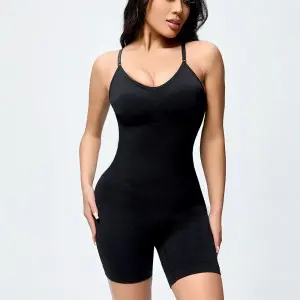
Extended pant legs: Covering excess fat at the upper thigh, making legs appear longer when paired with short tops, a “bonus” for young African women who prefer short skirts and shorts.
III. Key to Exporting Shapewear to Africa: Product Selection and Trend Capture
To ensure new shapewear sells well in the African market, besides the product itself, it’s crucial to “follow the market”—from trend capture to product selection strategies, these details cannot be ignored:
1. Find inspiration from social media
African women’s fashion aesthetics are largely influenced by social media. African fashion influencers on Facebook and Instagram (such as @Renystyles from Kenya and @Rafarazzi from South Africa) frequently share videos showcasing shapewear outfits, and their recommendations often become trendsetters.
For example, in early 2025, the combination of high-waisted, hip-lifting shapewear pants and an oversized T-shirt, popularized by Kenyan influencers, led to a 200% increase in searches for this type of shapewear on Kilimall within a week. Exporters can regularly monitor these influencers’ activities to quickly adjust their product selection.
2. Focus on Major Sales Events
Major e-commerce sales events in Africa are peak periods for shapewear sales. For example, International Women’s Day (Kilimall data shows that shapewear sales increased by 150% year-on-year during International Women’s Day in 2025), the pre-Christmas shopping season, and local holidays such as South Africa’s Youth Day (June 16th) and Nigeria’s Independence Day (October 1st) are all good opportunities to launch new products and offer promotions.
Launching new products 1-2 months before a major sale, coupled with promotions like “buy two get one free” and “discounts for orders over a certain amount,” is more likely to attract African women to stock up—after all, they prefer “set purchases,” often buying 2-3 different colored shapewear items at once.
3. Material Suitable for the African Climate Most of Africa experiences high temperatures year-round, so material selection directly impacts product reputation. Besides cotton blends and mesh fabrics mentioned earlier, it’s important to:
Avoid using overly thick fabrics (such as fleece-lined versions), which are only suitable for a few temperate regions like South Africa and Morocco;
Choose “wrinkle-resistant and easy-to-wash” fabrics, as African women mostly hand-wash clothes, and wrinkle-resistant materials reduce their care time;
The fabric must meet safety standards, such as OEKO-TEX certified fabrics, to avoid skin sensitivity issues, especially appealing to health-conscious middle-class women.
Post time: Jan-14-2026