
Complete Guide to Choosing Silicone Buttock Pads
Whether it’s to optimize your figure, improve comfort during prolonged sitting, or meet specific protective needs, silicone buttock pads have become a popular lifestyle item for many. However, the market is flooded with products of varying quality, ranging in price from tens to hundreds of dollars, and featuring a bewildering array of material claims, making it easy to get overwhelmed. This guide will go beyond a simple sales perspective, focusing on safety, functionality, and detailed identification to help you choose the silicone buttock pads that are truly right for you.
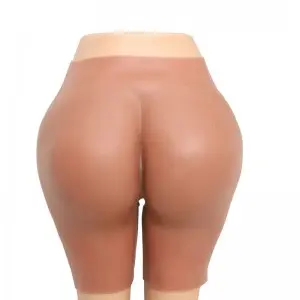
I. Safety First: Identify Materials and Certifications, Avoid Health Hazards
Silicone buttock pads are in direct contact with the skin and are worn for extended periods, making material safety a non-negotiable requirement. Inferior products may contain heavy metals and harmful additives, which can not only cause skin allergies but also pose long-term health risks. When purchasing, be sure to focus on the following two points:
1. Core Material: Choose Medical-Grade Silicone, Avoid Recycled Material Traps
The core material of high-quality silicone buttock pads is medical-grade silicone. This material undergoes rigorous biocompatibility testing, feels similar to human fat, is flexible and highly resilient, and has excellent temperature resistance (typically withstanding -60℃ to 200℃), making it resistant to aging and deformation during daily use. Medical-grade silicone can be further categorized based on hardness:
- 0-5 degree ultra-soft silicone: Closest to the feel of natural buttocks, with a stretch ratio exceeding 800%, suitable for scenarios requiring extreme realism, such as formal wear and photography.
- 10-20 degree elastic silicone: Balances support and flexibility, with a tear strength of over 25 kN/m², more suitable for daily commuting, prolonged sitting protection, and other scenarios requiring long-term wear.
Beware of recycled silicone commonly used in low-priced products. This material is usually grayish-yellow in color, has a grainy surface, emits a pungent odor when opened, and may release harmful substances when exposed to sunlight. Disassembly and testing have shown that some low-priced silicone is even made from medical waste, and long-term wear can easily lead to skin itching, redness, and other problems. 2. Safety Certification: Prioritize Products that Meet International Standards
Certification is the “guarantee” of material safety. When purchasing, you should focus on checking whether the product has the following international certification marks:
- USP Class VI: US Pharmacopoeia standard. Silicone that has passed this certification is proven to be non-toxic and non-irritating, and can safely come into contact with human tissue;
- ISO 10993: International Organization for Standardization biocompatibility standard, ensuring that long-term contact with the skin will not cause inflammation or allergic reactions;
- FDA certification: US Food and Drug Administration certification, indicating that the product meets strict specifications in terms of production process and material safety.
Special reminder: If the product is only labeled “food-grade silicone” without medical-grade certification, caution is advised – food-grade standards mainly focus on safety in contact with food, and there is still a gap in the requirements for biocompatibility with long-term skin contact.
II. Functional Adaptation: The Scene Determines the Choice, Thickness and Shape are Key
The core value of silicone butt pads is “optimization on demand.” Discussing “good or bad” without considering the usage scenario is meaningless. Different scenarios have vastly different needs for thickness, shape, and breathability. Blindly pursuing “thick” or “curvy” will be counterproductive.
1. Thickness Selection: Thicker is not always better; adapting to the scenario is key
Thickness directly determines the shaping effect and comfort. Common product thicknesses on the market range from 1-5cm, corresponding to the following scenarios:
Usage Scenario
Recommended Thickness
Core Needs
Notes
Daily commuting, prolonged sitting at work
1-2cm
Natural shaping + pressure distribution
Excessive thickness can lead to stuffiness; choose styles with breathable structures
Formal wear, photography
3-4cm
Three-dimensional shaping + curve optimization
Prioritize teardrop-shaped designs that conform to the curves of the buttocks to avoid an unnatural look
Protection needs (e.g., elderly, children)
2-3cm (with memory foam interlayer)
Shock absorption + safety protection
Choose a widened anti-slip design, more secure when worn with clothing
Warning: Some people believe that “the thicker the better the shaping effect,” but ultra-thick butt pads (over 4cm) worn for extended periods can compress the sciatic nerve, causing numbness in the legs, and can create visible lines under tight clothing, making it look unnatural. 2. Design and Fit: Conforming to Body Curves and Preventing Shifting
A good design should feel like a “second skin,” conforming to the curves of the buttocks while remaining securely in place. Common designs and suitable users are as follows:
- Teardrop shape: Narrow at the top and wider at the bottom, mimicking the natural shape of a peachy bottom, suitable for people with flat buttocks but a good waist-to-hip ratio. Looks natural when paired with bodycon skirts and tight pants;
- Round shape: Full and even overall, suitable for people with overall sagging buttocks who need comprehensive filling. Highly compatible with everyday wear;
- Zoned compression type: Localized thickening targeting the hip peaks and hip lines, suitable for people who want to precisely optimize their hip line height, especially suitable for pairing with high-waisted clothing.
Regardless of the design chosen, anti-slip features are crucial: products with silicone anti-slip particles at the bottom and narrowed edges effectively reduce the risk of shifting during walking or changes in posture, avoiding the embarrassment of having to adjust them in public.
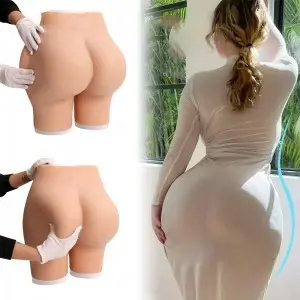
III. Detail Identification: 3 Steps to Avoid Inferior Products and Buy Smart, Not Expensive
Besides material and design, product details often hold the key to quality. Mastering the following three identification methods will help you quickly distinguish between good and bad products:
1. Feel and Resilience: Testing Silicone Density
High-quality silicone feels delicate and smooth to the touch, without noticeable graininess. After pressing firmly with your fingers, it will immediately spring back without leaving indentations; inferior silicone feels rough and sticky, easily shows white marks after stretching, and may even break. You can fold the butt pad in half and then release it, observing its recovery speed—the faster the recovery, the better the silicone’s elasticity and durability.
2. Smell and Workmanship: Checking for Potential Problems
Newly unpacked high-quality silicone butt pads may have a faint silicone smell, which will completely dissipate after 1-2 days of ventilation; if you smell a pungent rubbery or chemical odor after opening the packaging, it can generally be determined that it is made of inferior recycled materials, and you should avoid purchasing it.
In terms of workmanship, pay attention to the edges: high-quality products use a smooth edging process, without burrs or loose seams; inferior products have sharp edges, and the seams are prone to lifting, which may cause skin irritation and discomfort with long-term wear. 3. Price Reference: Beware of “Low-Price Traps”
Medical-grade silicone raw materials are expensive, and the unit price of silicone buttock pads from reputable brands is usually between $50 and $200. Products priced below $30 often use recycled silicone or reduce safety testing procedures to cut costs. These products not only offer poor comfort but may also pose health risks. Instead of frequently replacing low-priced products, it’s better to invest in a reliable, high-quality product with a lifespan of 6-12 months.
IV. Use and Maintenance: Key Techniques for Extending Lifespan
Proper use and maintenance can not only extend the lifespan of silicone buttock pads but also prevent hygiene problems:
- Cleaning Precautions: Gently clean with a neutral detergent (such as baby bath gel) and warm water. Avoid using alcohol, acidic cleaning agents, or boiling water, as these will corrode the silicone material, leading to aging and deformation;
- Drying and Storage: After cleaning, air dry in the shade, avoiding direct sunlight; store in a breathable cotton bag, away from cosmetics and oily substances. A desiccant can be placed in the bag to prevent dampness and mold;
- Replacement Cycle: When the silicone shows obvious deformation, whitening, stickiness, or decreased elasticity, it should be replaced immediately. It is generally recommended to use it for no more than 12 months.
V. Frequently Asked Questions
Q1: Will wearing silicone buttock pads for a long time affect blood circulation?
A: It is recommended to wear them for no more than 8 hours continuously per day. Choose a thickness (≤3cm) and style that fits your body shape, avoiding excessive tightness and pressure. If you experience numbness in your legs or skin redness, stop using the product immediately and switch to a looser style.
Q2: Can people with sensitive skin use them?
A: People with sensitive skin should prioritize products that have passed the ISO 10993 biocompatibility test. Before first use, test the product on the inside of your arm for 24 hours. If there is no redness or itching, you can wear it normally.
Q3: How to avoid transparency when wearing light-colored clothing?
A: Choose skin-toned, translucent medical-grade silicone, as its light transmittance is closer to that of human skin; avoid pure white or dark-colored products, and pairing them with underwear of the same color can further reduce transparency issues.
Post time: Dec-17-2025