
How is the European Market for Silicone Buttock Pads?
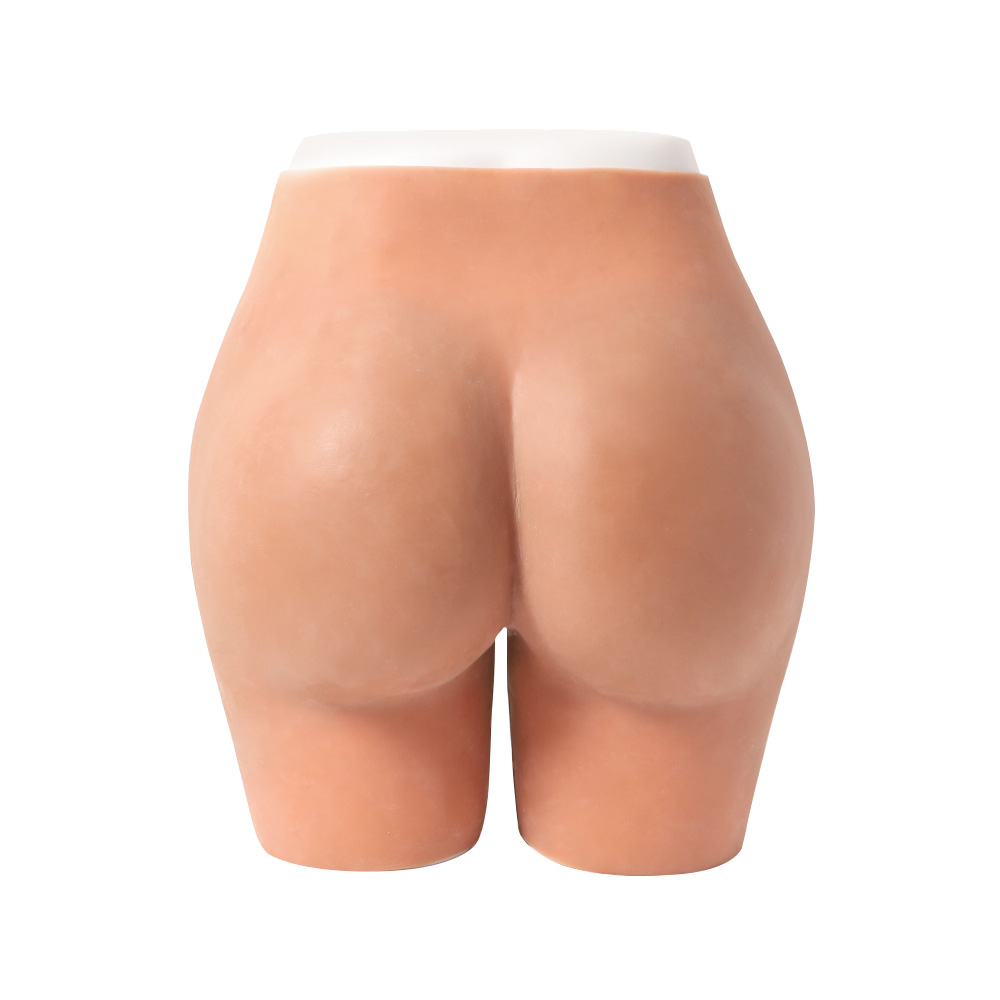
In Europe’s diverse consumer market, silicone products continue to hold an important position due to their safety and durability. Silicone buttock pads, as a sub-category combining functionality and comfort, have seen steady growth in market demand in recent years. From medical rehabilitation to daily care, from fashion to health protection, the application scenarios for Silicone Buttock Pads in Europe are constantly expanding, driven by multiple factors including policy guidance, consumption upgrades, and technological innovation. This article will delve into the core characteristics and development trajectory of this market, providing a clear view of the true face of the European silicone buttock pad market.
I. Market Size and Growth Drivers: Policy and Demand as Dual Engines
Europe is one of the core consumer markets for silicone products globally, and its silicone buttock pad market size continues to expand along with the development of related industries. According to relevant data, the overall market size of sanitary silicone pads in Europe reached €9.5 billion in 2023, with silicone buttock pads, which combine medical attributes and daily use value, accounting for a significant proportion and maintaining a growth rate higher than the industry average. This growth trend is inseparable from the dual support of policy guidance and consumer demand.
At the policy level, the EU’s Circular Economy Action Plan has provided a significant opportunity for the silicone buttock pad market. This plan explicitly encourages the replacement of disposable products with reusable and easily recyclable environmentally friendly materials, and silicone buttock pads, with their durability and washability, perfectly align with this policy direction, making them a direct beneficiary of policy dividends. Simultaneously, Europe’s stringent standards for consumer health protection have also driven demand for high-quality silicone buttock pads—compared to traditional materials, silicone’s safety and non-toxic properties make it more competitive under the EU’s stringent regulatory system.
The growth in demand stems from profound changes in population structure and lifestyle. Europe is one of the regions with the highest aging populations globally. EU data shows that by 2070, the proportion of elderly people in the EU will further increase, and the problem of buttock pressure injuries caused by mobility issues among the elderly is becoming increasingly prominent. Silicone buttock pads, with their excellent pressure-dispersing properties, have become an important consumable in the medical care field. Furthermore, the prevalence of sedentary office lifestyles in modern Europe has led to a rise in demand for buttock protection and comfort among the general population, driving the expansion of silicone buttock pads from medical settings to everyday office work and long-distance travel scenarios.
II. Consumer Characteristics: Safety First, Significant Segmentation by Scenario and Regional Differences
European consumers exhibit a clear “safety first” principle when choosing silicone buttock pads, a characteristic that directly determines the market’s product orientation. Over 80% of European consumers are willing to pay a premium for environmentally friendly and safe products, with material compliance and harmful substance residue levels being primary considerations when purchasing silicone buttock pads. This demand has driven mainstream products to use food-grade silicone raw materials and undergo rigorous third-party testing and certification to meet consumers’ extreme demands for health and safety.
Segmentation by scenario is another important characteristic of the European silicone buttock pad market. The market has now formed a clear product matrix: medical-grade products focus on pressure ulcer prevention, targeting hospital and home care scenarios. They typically employ a breathable honeycomb structure design combined with antibacterial technology, and some products further enhance their medical attributes through technical cooperation with companies like Bayer in Germany, achieving a certification pass rate as high as 98%. Daily care products emphasize lightweight portability, adapting to office chairs, car seats, and other scenarios, incorporating a slow-rebound memory foam composite layer to enhance comfort. Fashion products focus on fit and meet consumers’ aesthetic needs, and are particularly popular in fashion-driven countries like France and Italy.
Regional differences are also noteworthy. Germany, as the core of the European silicone products market, leads the consumption of medical-grade silicone buttock pads with its stringent quality requirements, holding a leading market size among European countries. The value of this segment is projected to exceed €140 million by 2029. The UK market prefers products that combine functionality and design, maintaining an average annual growth rate of around 3.4%. Southern European countries such as France and Spain, influenced by lifestyle habits, have a stronger demand for breathable and hypoallergenic materials, driving rapid product iteration. Nordic countries incorporate environmental friendliness into their core evaluation criteria, making bio-based silicone products more acceptable in the region.
III. Compliance Thresholds: CE Certification is the “Passport” to the Market
The European market has extremely strict regulations on silicone products. Silicone buttock pads must pass a series of mandatory compliance certifications to enter the EU market, with CE certification being the most crucial “entry permit.” Certification standards vary depending on the product’s intended use. Medical-grade silicone buttock pads must meet both medical device directives and material safety standards, while general care products must comply with consumer product safety regulations. This places extremely high demands on the product’s manufacturing process and quality control.
Specifically, silicone buttock pads that come into direct contact with the human body must meet two key standards: EN 14350, for products in prolonged skin contact, requires a total volatile organic compound (TVOC) content of no more than 0.5% and formaldehyde release of less than 10 mg/kg; EU Regulation 10/2011 specifies migration limits for materials, such as peroxide residues of ≤0.5 mg/kg, and requires passing volatile organic compound testing at 175°C. Following the EU’s update of migration limits for food contact materials in 2023, the control over substances such as cyclic siloxanes (D4-D6) in silicone products has been further strengthened, becoming a new focus of compliance for companies.
From a certification practice perspective, companies need to prepare for the entire process in advance: at the raw material stage, use platinum vulcanization technology instead of traditional peroxide vulcanization to reduce harmful substance residues; in the production stage, add a secondary vulcanization process (200℃×4h) to improve product stability; and in the testing stage, choose laboratories with CNAS and CPSC accreditations to complete precise testing items such as thermal desorption-gas chromatography-mass spectrometry (TD-GC/MS). The entire certification cycle usually takes 6-8 weeks. Although the compliance cost is high, it is key to winning the trust of European consumers.
IV. Future Trends: Sustainability, Intelligence, and Extended Application Scenarios
Looking ahead, the European silicone buttock pad market will develop towards “more environmentally friendly, more intelligent, and more segmented.” Technological innovation and the upgrading of consumer demand will jointly shape a new market landscape. Sustainability will become a core competitive factor. With the further tightening of EU environmental regulations, the application of new materials such as bio-based silicone and biodegradable silicone will become a breakthrough point for companies. Currently, some brands have launched silicone buttock pads made from plant extracts, which have received positive feedback in the Nordic market.
Intelligent upgrades will inject new vitality into the market. Some companies are beginning to combine temperature-sensitive materials with silicone, enabling buttock pads to adjust their firmness according to body temperature, improving fit. In medical settings, smart buttock pads integrating pressure sensors are under development, capable of monitoring the user’s pressure distribution in real time and sending alerts to caregivers via an app. This “hardware + service” model is expected to become a new growth point in the medical care field.
Expanding application scenarios will further open up market space. Besides existing medical and office scenarios, products targeting niche needs such as sports and fitness, and postpartum rehabilitation are rapidly emerging: sports-grade silicone buttock pads incorporate anti-slip designs, suitable for yoga, cycling, and other activities; postpartum rehabilitation models use flexible silicone material, balancing support and breathability. Meanwhile, the expansion of online channels provides development opportunities for niche products. Data from European e-commerce platforms shows that since 2024, online searches for customized silicone buttock pads have increased by 47% year-on-year, with personalized demand becoming a new growth engine in the market.
Conclusion: Quality and compliance are fundamental to success in the European market.
The European silicone buttock pad market is both a “field of opportunity” driven by policy and a “testing ground” with high barriers to entry. Its mature consumption philosophy, strict compliance system and diversified demand characteristics determine that only products with quality as the core, compliance as the foundation and innovation as the driving force can gain a foothold.
Post time: Dec-15-2025