
Import Considerations for Silicone Nipple Covers in Bulk
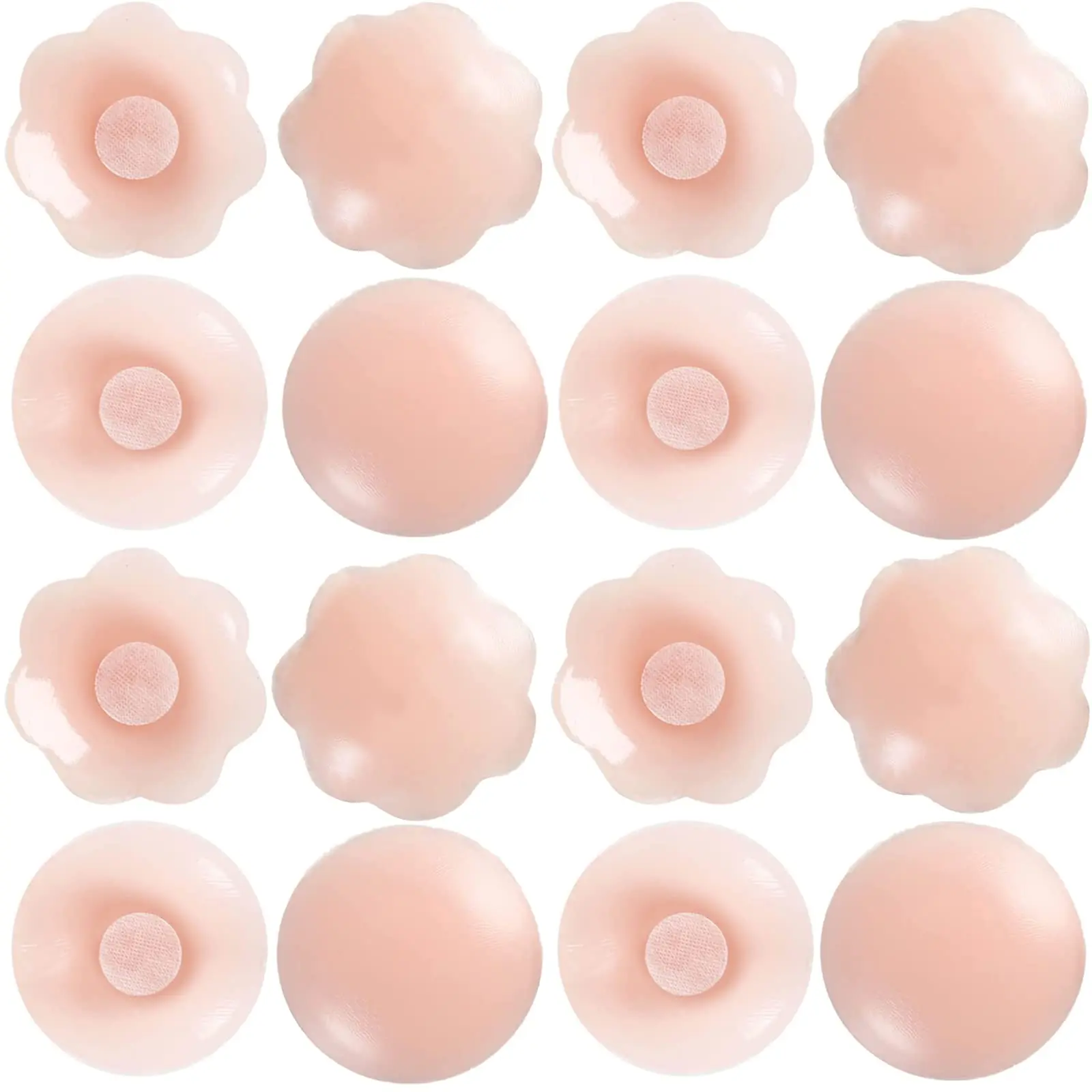
As intimate cosmetic and shaping products, silicone nipple covers require careful consideration of multiple requirements when importing in bulk, including compliance with destination country regulations, product quality testing, and logistics standards, due to their material properties and specific usage scenarios. Import regulatory standards for cosmetics, personal care products, and intimate silicone products vary significantly across different regions. From product composition testing and customs document preparation to intellectual property protection and shipping packaging standards, oversights at any stage can lead to customs clearance delays, cargo detention, or even return. This article will outline key considerations for the entire process of bulk importing silicone nipple covers, providing practical guidance for cross-border import trade.
I. Clearly Define the Destination Country’s Product Regulations and Access Standards in Advance
Silicone nipple covers are intimate products that come into direct contact with the skin. Most countries classify them as cosmetics, personal care products, or daily necessities, and have clear and mandatory requirements regarding the safety and compliance of the silicone material. Before importing, it is crucial to accurately understand the core regulatory rules of the destination country to avoid import failure due to non-compliance with standards.
EU Region: Products must comply with REACH regulations, which strictly limit the chemicals and additives in silicone nipples, ensuring they are free of banned plasticizers, heavy metals, and other harmful substances. Products must also obtain CE certification, proving compliance with EU health, safety, and environmental standards. If the product is labeled with functional descriptions such as “antibacterial” or “skin care,” additional efficacy testing reports are required.
North America: The US requires imported silicone nipples to undergo FDA testing, focusing on the biocompatibility and allergenicity of the materials, as well as the safety of adhesives and silicone raw materials. Product labeling must comply with FPLA (Federal Product Labelling Act) regulations. Canada requires registration with Health Canada to ensure compliance with the Food and Drugs Act.
Southeast Asia and Australia: Australia requires products to comply with Food Standards Australia New Zealand (FSANZ) regulations, and silicone materials must pass biocompatibility testing. Many Southeast Asian countries, such as Singapore and Malaysia, have specific requirements for microbial limits on silicone products for close contact, requiring compliance with standards for total bacterial count and pathogenic bacteria before customs clearance.
In Japan and South Korea: Japan requires imported silicone nipple covers to be registered with the Ministry of Health, Labour and Welfare, and the labels must indicate the ingredients, country of origin, and expiration date in Japanese. South Korea requires KFDA certification and the provision of material composition analysis reports and skin irritation test reports.
Furthermore, some countries have clear classifications for imported silicone nipple covers, with different classifications corresponding to different tariff rates and regulatory requirements. It is necessary to confirm the product’s HS code with the destination customs in advance to avoid incorrect tax calculations or customs clearance delays due to incorrect classification.
II. Strictly Control Product Quality and Improve Testing and Certification Documents
The quality of silicone nipple covers directly affects import clearance efficiency and market access. Before bulk import, a qualified third-party testing agency must complete all tests, and all corresponding certification documents must be prepared to ensure the product meets the mandatory standards of the destination country. Key testing and certification points are as follows:
Core Quality Testing Items
Chemical Safety Testing: Focus on screening for plasticizers (phthalates), heavy metals (lead, mercury, cadmium, etc.), and harmful solvent residues. In the EU, the US, and other regions, the detection limit for plasticizers is as low as 0.01 mg/kg, and the lead content requirement is ≤0.1 ppm;
Microbiological Limit Testing: Ensure the product is free of pathogenic bacteria (such as Staphylococcus aureus and Escherichia coli), and the total bacterial count must meet the destination standards (most countries require ≤100 CFU/g);
Biocompatibility Testing: According to ISO 10993 The product must meet the relevant standards of the series of standards or the destination country, and undergo cytotoxicity, skin sensitization, and irritation tests to prove that there is no safety risk when the product comes into contact with human skin.
Material performance testing: The flexibility, adhesion, and temperature resistance of the silicone must be tested to ensure that the product does not detach, deform, or age during use. The adhesive must meet skin contact standards and be non-irritating.
Required Certifications and Testing Documents: For bulk imports, a formal test report issued by a third-party testing agency must be submitted to the destination customs. The report must be issued by a testing agency recognized by the destination country. Simultaneously, according to the destination requirements, prepare corresponding certification certificates such as CE, FDA, and KFDA. The certificate information must be completely consistent with the product batch and specifications, and photocopies must be stamped with the official seal of the issuing agency or the importer.
III. Standardize Customs Declaration Document Preparation to Ensure Information Accuracy and Consistency
Customs declaration documents are the core basis for bulk import clearance of silicone nipple covers. Missing documents, incorrect information, or inconsistencies are one of the main reasons for customs clearance delays. According to the requirements of the destination country, all documents must be prepared in advance, and all document information must be consistent with the actual goods. Core essential documents include:
Basic Trade Documents: Commercial invoice, packing list, bill of lading/waybill, trade contract. The invoice must clearly indicate the product name, specifications, quantity, unit price, total price, HS code, country of origin, etc. The packing list must detail the quantity, weight, and volume of each box. The bill of lading information must completely match the trade contract and invoice.
Certificate of Origin: If the product enjoys preferential tariff policies in the destination country, an official certificate of origin (such as FORM A, FORM E, etc.) is required, proving that the goods’ place of origin meets the preferential tariff requirements; if there are no preferential policies, a regular certificate of origin is required.
Product Compliance Documents: Product composition analysis report, third-party quality inspection report, relevant certification certificates (CE/FDA, etc.), documents proving that the country of origin allows production and sale, and some countries require a product safety declaration stating that the product poses no health risks under normal use.
Labeling Documents: If the destination country requires labels in its local language (e.g., EU, Japan, Korea), samples and translations of the Chinese/foreign language labels are required. Labels must include the product name, ingredients, country of origin, importer information, usage instructions, precautions, and expiration date. Some countries require label registration.
All documents must be prepared in the official language of the destination country or English, with clear handwriting and no alterations. Information regarding quantity, amount, and specifications must be accurate to avoid customs clearance issues due to minor document details.
IV. Compliant Handling of Intellectual Property Issues to Avoid Infringement Risks
Silicone nipple covers, as fashionable shaping products, often involve intellectual property rights such as brand trademarks and designs. If infringement occurs during bulk imports, the goods will be detained by customs, and the importer will bear corresponding legal responsibilities. Therefore, it is crucial to ensure compliance with intellectual property regulations from the outset:
Confirm Product Intellectual Property Ownership: If importing branded silicone nipple covers, obtain a brand authorization letter from the supplier in advance, proving that the importer has the legal right to import the brand’s products. The authorization letter must clearly specify the import quantity, batch number, and sales region.
Check Design Patents:Some silicone nipple covers have design patents for their shapes and styles. Before importing, verify whether the products infringe on the patents of the destination country to avoid goods being detained due to design infringement.
Accurately Declare Intellectual Property Information:When declaring customs, accurately declare the trademark, patent, and other intellectual property status of the products according to the requirements of the destination customs, and submit relevant supporting documents. Concealment or false declarations are prohibited.
Complete Intellectual Property Registration in Advance: If the importer owns their own brand, they can apply for intellectual property registration with the destination customs in advance to obtain customs intellectual property protection, prevent similar infringing products from entering the market, and avoid their own products being mistakenly judged as infringing.
Confirm Product Intellectual Property Ownership:
V. Optimize Logistics and Packaging to Ensure Goods Integrity and Transportation Compliance
Silicone nipple covers are made of silicone, which is soft and some products contain adhesives. During long-distance cross-border transportation, they are prone to deformation, sticking, and deterioration due to compression, high temperatures, and humidity. Furthermore, the transport packaging must comply with the customs and logistics regulations of the destination country. Key considerations are as follows: Choose a professional cross-border logistics service provider: Prioritize logistics companies with experience in importing silicone products and cosmetics. They are familiar with the customs clearance procedures and logistics regulations of the destination country and can provide door-to-door one-stop service, reducing transportation and customs clearance risks. For regions with strict customs clearance, such as the EU and North America, consider international logistics giants such as DHL, FedEx, and UPS, which offer higher clearance efficiency and more comprehensive services.
Proper Product Packaging: Individual products should be individually sealed to prevent adhesives from sticking and to protect against dust and moisture contamination during transport. Full cartons should be packed in cardboard or foam boxes, filled with bubble wrap, pearl cotton, or other cushioning materials to prevent deformation from compression. The exterior of the boxes should be clearly marked with pressure-resistant and moisture-proof labels. For bulk shipments, avoid mixing silicone latex products with sharp, high-temperature, or corrosive goods to prevent damage.
Comply with Transportation and Customs Packaging Requirements: The packaging must clearly label the product name, quantity, weight, country of origin, destination, and importer information. Depending on the destination country’s requirements, affix specific labels indicating environmental friendliness, fragility, or suitability for personal use. Some countries require HS codes and customs registration numbers.
Plan Transportation Methods and Time Appropriately: Based on the quantity and urgency of the goods, choose sea freight, air freight, or express delivery. Sea freight is suitable for large-volume, low-time-delay shipments, while air freight is suitable for small-volume, high-time-delay shipments. Avoid peak customs inspection periods and holidays in the destination country to prevent customs clearance delays due to logistical congestion.
VI. Emphasize Customs Inspection and Subsequent Handling, and Prepare for Risk Management Throughout the Process
Customs inspection is a common step in the bulk import of silicone nipple covers, especially for first-time imports, large-volume imports, or products with functional descriptions. The probability of customs inspection is higher in these cases. It is necessary to prepare for inspections in advance and develop contingency plans for potential problems:
Cooperating with Customs Inspection: During customs inspections, timely provision of customs declarations, test reports, certification certificates, and other relevant documents is required. Cooperation with customs in verifying the quantity, specifications, labels, and composition of the goods ensures consistency between the goods and documents. If customs requires sampling and testing, active cooperation is required, awaiting the test results.
Handling of Non-compliant Goods: If products are determined to be non-compliant after customs inspection or testing, they must be handled according to the regulations of the destination country. For non-compliance related to safety, health, or environmental protection, most countries require direct destruction or return. For non-core non-compliance, technical processing (such as relabeling and repackaging) can be carried out under customs supervision, and the goods can only be released after passing re-inspection.
Properly maintain import registration and records: Some countries require importers to complete product import registration, recording information such as import batch number, quantity, and test results. This registration information must be kept for at least two years. Simultaneously, properly safeguard customs declarations, inspection and quarantine certificates, test reports, and other documents for future customs inspections or after-sales product claims.
VII. Additional Notes: Customs Duties and Tax Compliance
Bulk imports of silicone nipple covers require payment of customs duties, value-added tax, and other taxes according to the regulations of the destination country. Customs duty rates vary between countries due to differences in product HS codes, country of origin, and trade policies. Therefore, advance tax planning is essential:
Check Customs Duty Rates in Advance:** Check the corresponding customs duty rates for silicone nipple covers through the destination customs website or a professional customs broker. If the product complies with free trade agreements, prepare the certificate of origin promptly to enjoy customs duty reductions or exemptions.
Accurately Declare the Value of Goods: The transaction price of the goods must be accurately declared during customs clearance. Underreporting or concealing information will result in customs fines and goods seizure. Some customs authorities may conduct price audits; therefore, prepare supporting documents such as trade contracts and payment vouchers.
Complete Tax Declaration and Payment: Pay the taxes and fees as determined by customs promptly upon clearance. Some countries support online tax payment; familiarize yourself with the payment process and deadlines in advance to avoid late payment penalties.
Post time: Mar-06-2026