Introduction
Importing shapewear in bulk can be a highly profitable opportunity for distributors, retailers, and private label brands. With the global demand for body-shaping garments continuing to grow, businesses that source high-quality shapewear at competitive prices can achieve strong margins and long-term success.
However, bulk importing is not just about finding a low price. It requires careful evaluation of suppliers, product quality, logistics, and market demand. In this guide, we’ll explore the key factors buyers should consider to ensure a smooth and profitable sourcing process.
1. Product Quality and Material Selection
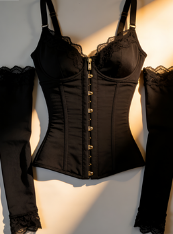
The quality of shapewear is one of the most critical factors that directly impacts customer satisfaction and repeat purchases. Buyers should carefully evaluate the materials used, such as nylon, spandex, or advanced compression fabrics, to ensure durability, elasticity, and comfort.
High-quality shapewear should offer consistent compression, breathability, and long-lasting performance. Requesting samples before placing bulk orders is essential to verify stitching, fabric strength, and overall construction.
2. Understanding Your Target Market
Different regions have different preferences when it comes to shapewear styles, sizes, and compression levels. For example, North American markets may prefer inclusive sizing and comfort-focused designs, while Latin American markets often favor stronger shaping effects.
Understanding your target customers helps you choose the right product range, including high-waist shapers, full-body suits, or seamless designs. This ensures better sales performance and reduces inventory risk.
3. Supplier Reliability and Manufacturing Capability
Choosing a reliable supplier is crucial when importing in bulk. Buyers should assess the manufacturer’s experience, production capacity, and track record in international trade.
A strong supplier should be able to handle large orders, maintain consistent quality, and meet delivery deadlines. Factory audits, certifications, and clear communication are key indicators of a trustworthy partner.
4. Pricing Structure and Cost Control
While competitive pricing is important, buyers should look beyond the unit cost. Total landed cost includes shipping, customs duties, packaging, and potential delays.
Understanding the full pricing structure helps businesses calculate accurate profit margins. Working with suppliers who offer transparent pricing and flexible terms can significantly improve long-term profitability.
5. Minimum Order Quantity (MOQ)
MOQ is a major factor for many importers, especially small and medium-sized businesses. Some manufacturers require high MOQs, which may increase financial risk.
Buyers should look for suppliers that offer flexible MOQ options or scalable production plans. This allows businesses to test the market before committing to larger volumes.
6. Customization and Private Label Options
For distributors and brand owners, customization is a key advantage. Many shapewear manufacturers offer OEM/ODM services, including logo printing, custom packaging, and unique product designs.
Private labeling allows businesses to build their own brand identity and increase product value. It also creates differentiation in a competitive market.
Conclusion
Importing shapewear in bulk offers significant business opportunities, but success depends on making informed decisions at every stage of the process. From product quality and supplier selection to logistics and market understanding, each factor plays a critical role in overall profitability.
By focusing on these key factors, buyers can reduce risks, improve efficiency, and build a strong competitive advantage in the shapewear market
Post time: Mar-27-2026