Silicone Hip Pad Sourcing Guide for South American Distributors
In South America, body management and fashion aesthetics are deeply intertwined. Silicone hip pads, as a popular item that quickly optimizes body shape and adapts to diverse dressing scenarios, are experiencing explosive growth. Whether it’s eye-catching looks at the Brazilian Carnival, everyday street style in Argentina, or vacation outfits on Colombian beaches, silicone hip pads have become a “secret weapon” for local women to boost their confidence. For distributors, this vibrant market holds enormous business opportunities, but accurate decisions in the procurement process directly determine profit margins and market competitiveness. This article will provide South American distributors with a comprehensive procurement guide from core dimensions such as market demand, product selection, supplier screening, compliant logistics, and end-user empowerment.
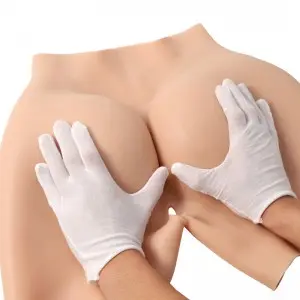
I. In-depth Analysis of the South American Silicone Hip Pad Market: Identifying Pain Points
1. Core Consumer Demand Characteristics
South American women’s core demands for silicone hip pads focus on three dimensions: “naturalness, comfort, and fit”:
Priority of Realism: Rejecting stiff contours, they prefer products that mimic the natural curves of the human hip, conforming to the waist and hip lines, and remaining seamless when wearing tight pants, bikinis, or dresses.
Material Safety First: South American consumers are extremely sensitive to the safety of intimate apparel, rejecting inferior materials with odors or allergies, and prioritizing non-irritating, breathable medical-grade or food-grade silicone.
Scenario-Based Fit:Need to cover diverse scenarios—daily commuting (lightweight and comfortable, not tiring to wear for extended periods), parties (excellent shaping effect, not easy to shift), beach vacations (waterproof, sweatproof, and abrasion-resistant).
Size Diversity: South American women have a wide body range, from slender to curvy, requiring coverage of sizes S-XXXL, especially plus-size products, which are in high demand in markets such as Brazil and Venezuela.
2. Regional Market Differentiation Preferences
Brazil: As a core fashion market in South America, consumers seek a “full and natural” shaping effect, favoring integrated silicone hip pads (no additional accessories needed, easy to put on and take off). Colors are primarily skin-toned and dark skin-toned, matching the local trend of form-fitting clothing and beach culture.
Argentina: Emphasis is placed on product quality and comfort, favoring thin silicone hip pads. Breathability is emphasized to avoid stuffiness, and there is a higher acceptance of products that are washable and durable.
Colombia: Driven by the holiday economy, waterproof, sweat-proof, and stable adhesive silicone hip pads are more popular. Attention is also paid to the sophistication of product packaging, suitable for gifting occasions.
Mexico: A strong demand for value for money leads to a preference for mid-range priced products. Multifunctionality is valued, such as removable and washable styles suitable for various occasions.
II. Product Selection Guide: Choosing the Right Product = Half the Battle
1. Material Selection: Safety is the Bottom Line, Texture is the Core
When purchasing, prioritize silicone materials that meet international standards to avoid complaints or compliance risks due to material issues:
Medical-grade liquid silicone is preferred:** Its softness is close to human skin, providing a realistic feel, odorless, less likely to cause skin allergies, and has excellent elasticity and resistance to deformation, meeting the safety requirements of ANVISA (Brazilian Health Surveillance Agency) for intimate apparel;
Reject recycled silicone:These products are prone to yellowing, cracking, and releasing harmful substances, which not only affects reputation but may also face regulatory penalties;
Auxiliary material considerations: Choose breathable cotton and spandex blends for the fabric to improve wearing comfort and prevent stuffiness and slippage.
2. Style and Function Selection: Tailored to Market Scenarios
Purchasing by Wearing Method:
Integrated Underwear:Suitable for daily commutes and novice consumers. When purchasing, pay attention to waistband elasticity (avoids constriction) and crotch breathability (pure cotton lining preferred);
Inserted Underwear:Compatible with existing distributor underwear product lines, allowing for flexible combinations. Emphasis should be placed on the anti-slip design of the silicone pad (e.g., anti-slip particles on the inside);
Adhesive Underwear: Targeting parties and beach occasions. Adhesive stability must be tested (maintaining hold after more than 10 re-attachments). The adhesive layer must be gentle, leaving no residue upon removal and not irritating to the skin.
Essential Core Functions:
Invisible and Seamless: Edges as thin as 0.1cm, preventing clothing outlines from showing;
Waterproof and Sweatproof: Suitable for tropical climates in South America, preventing slippage and deformation after sweating;
Easy to Clean and Durable:Hand-washable or machine-washable, showing no significant aging after more than 6 months of repeated use;
Color Compatibility:At least three skin tones: light, natural, and dark, to match the skin tone needs of different ethnic groups.
3. Size and Packaging Planning
Size Coverage: We recommend purchasing six sizes: S, M, L, XL, XXL, and XXXL. Sizes L and XL should be the main inventory (suitable for most South American body types), while XXXL can be specifically stocked for the Brazilian and Peruvian markets.
Packaging Requirements: Use moisture-proof and shock-proof packaging (South American logistics involves many transit points). The packaging must include bilingual instructions in Spanish and Portuguese (usage methods, cleaning and maintenance, material composition), and should also display compliance certification marks (such as FDA, CE, ANVISA) to enhance consumer trust.
III. Supplier Selection: High-Quality Partners Guarantee Long-Term Profitability
1. Core Selection Criteria (Key to Avoiding Pitfalls)
Compliance and Qualifications: Suppliers must provide FDA (US Food and Drug Administration) and CE (EU) certifications for their products, and be able to provide the testing reports required for South American ANVISA certification (material safety, non-allergenicity testing) to avoid customs clearance obstacles;
Production and Supply Capacity:
Bulk Supply Stability: Able to meet single-order purchase needs of 1000 pieces or more, with delivery time controlled within 30-45 days (adapting to the replenishment rhythm of the South American market);
MOQ Flexibility: Supports small-batch trial orders (e.g., 300-500 pieces), facilitating distributors to test regional market response;
Capacity Flexibility: Capacity during peak seasons (e.g., 2-3 days before Carnival) (Monthly sales period, Christmas shopping season) to increase production capacity and avoid stockouts;
Quality Control System: Suppliers must have a complete quality inspection process and provide sampling test reports for each batch of products (including material purity, elasticity, adhesion, and odorlessness testing) to ensure that the qualified rate of delivered products is ≥99%;
Customization Support: Support OEM/ODM services, such as printing the distributor’s logo on the product, adjusting style details (such as hip pad thickness, underwear style), to enhance the product’s differentiated competitiveness;
After-sales Guarantee: Provide a clear return and exchange policy. Products with quality problems (such as cracking, allergies, adhesion failure) support unconditional returns and exchanges, and the return shipping costs will be borne; after-sales response time ≤24 hours (rapid communication via email and WhatsApp).
2. Avoid These Pitfalls: Reject Unqualified Suppliers: Products without testing reports or complete certifications may be detained during customs clearance and could even face fines.
Beware of Low-Priced, Inferior Products: Silicone buttock pads priced far below the market average are likely made with recycled materials, damaging reputation and potentially leading to consumer complaints.
Avoid Suppliers with Unstable Supply: Suppliers with delivery cycles exceeding 60 days or unable to replenish stock during peak seasons can cause distributors to miss sales windows (such as carnivals and holiday seasons). IV. Compliance and Logistics: Bridging the “Last Mile” of Procurement
1. South American Compliance Requirements (Key Focus by Region)
Brazil: Must be ANVISA certified. Products must be labeled with material composition, production batch number, and shelf life. A commercial invoice, packing list, certification report, and certificate of origin are required upon import. Customs clearance takes approximately 7-15 days.
Argentina: Must comply with INEN (National Industrial Technical Standards). Product packaging must include instructions in Spanish. An import license is required in advance. Customs clearance takes approximately 10-20 days.
Colombia: SERNAC (National Consumer Service Agency) requires products to include safety warnings (e.g., “Avoid high temperatures and direct sunlight”). Material testing reports must be issued by a locally accredited third-party organization.
General Requirements: All imported products must be free of animal-derived ingredients and harmful chemicals (such as phthalates). It is recommended to have a local compliance consulting agency review the documents in advance to avoid compliance risks.
2. Logistics and Warehousing Optimization
Transportation Method Selection:
Bulk Purchases (1000+ pieces): Sea freight is preferred due to its lower cost, suitable for stocking up for peak season inventory. The transit time is approximately 30-45 days. It is recommended to choose logistics providers with experience in South American dedicated lines (such as Maersk or COSCO Shipping South America) who are familiar with local customs clearance procedures.
Emergency Replenishment (300-500 pieces): Air freight is recommended. The transit time is approximately 5-7 days, with higher costs, suitable for filling peak season stockouts.
Warehousing Planning:
Establishing Warehouses in Core Markets: It is recommended to establish local warehouses in São Paulo, Brazil, and Buenos Aires, Argentina (third-party warehousing services can be leased) to shorten last-mile delivery time (local delivery 2-5 days) and improve the consumer experience.
Inventory Management: Based on sales data, the stock level for main styles (such as L-size integrated underwear) should be 2-3 times the monthly sales volume, and the stock level for niche styles (such as XXXL-size adhesive underwear) should be 1.5 times the monthly sales volume to avoid inventory backlog or stockouts.
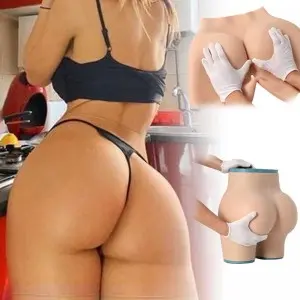
V. Terminal Empowerment: The Key from “Procurement” to “Profitability”
1. Marketing Material Support
High-quality suppliers should provide a complete set of marketing materials to help distributors quickly promote their products:
Visual Materials: Real product photos (different angles, different wearing scenarios), short videos (wearing tutorials, comparison effects), social media posters (compatible with Instagram, TikTok, Facebook);
Copywriting Materials: Bilingual product selling point copy in Spanish and Portuguese (emphasizing material safety, realistic and seamless design, and multi-scenario adaptability), user review templates, blog articles (such as “Silicone Hip Pad Wearing Guide” and “How to Choose Silicone Hip Pads for Different Body Types”);
Promotion Plans: Marketing suggestions for the South American market, such as collaborating with local fashion bloggers and influencers for live-streaming sales, participating in clothing exhibitions (such as FENAVIN in Brazil and PRODEXPO in Argentina), and advertising on e-commerce platforms (Mercado Libre, Amazon Brazil). 2. Sales Training Support
Product Knowledge Training: Familiarize distributors’ sales staff with product materials, style differences, size selection, cleaning and maintenance, and frequently asked questions (e.g., “How to prevent silicone hip pads from slipping” and “What to do if you have an allergic reaction”);
Sales Skills Training: Sales scripts tailored to different channels (offline stores, e-commerce platforms, social media), such as emphasizing the try-on experience in offline stores and highlighting product photos and user reviews on e-commerce platforms.
3. After-Sales Issue Handling
Establish a rapid response mechanism: When consumers complain (e.g., incorrect size, decreased stickiness), distributors can quickly connect with suppliers to provide solutions such as returns, exchanges, and replacements;
Collect Market Feedback: Regularly provide suppliers with feedback on consumer needs (e.g., requests for additional styles or size adjustments) to drive product iteration and enhance market competitiveness.
VI. Frequently Asked Questions (Q&A)
Q: What is the shelf life of silicone hip pads? How to control inventory turnover during procurement?
A: High-quality silicone hip pads have a shelf life of approximately 1-2 years (unopened). After opening, they can last for 6-12 months under normal use. We recommend following the principle of “stocking up for peak season and replenishing for off-season.” Stock up 2-3 months in advance for peak season (November to March of the following year, including carnivals and holiday seasons), and replenish as needed during the off-season (April to October), maintaining an inventory turnover cycle of 3-6 months.
Q: South American consumers are highly price-sensitive. How can we balance cost-effectiveness and profit?
A: We recommend a “high-medium-low” price range strategy: Mid-range products (70%) focus on cost-effectiveness to meet mainstream needs; high-end products (20%) emphasize upgraded materials and customized designs to increase profit margins; low-end products (10%) are used to attract price-sensitive consumers.
Q: Will suppliers provide support if customs clearance issues arise?
A: Before purchasing, it is essential to clearly stipulate with suppliers that if customs clearance is hindered due to incomplete certification documents or products not meeting compliance requirements, the supplier will bear the corresponding losses (such as resubmitting documents or returning/exchanging goods) and cooperate with customs clearance agencies to resolve the issue.
Conclusion: Seizing the South American Market Opportunities, Precise Procurement is Key to Success at the Terminal. The South American silicone buttock pad market is in a period of rapid growth, with strong consumer demand and huge market potential. However, the key to success lies in “precise procurement”—selecting products that meet market demands, reliable suppliers, streamlining compliance and logistics, and leveraging comprehensive terminal support to stand out from the competition.
Post time: Dec-19-2025