Introduction: Understanding the Growth Potential
The global demand for adhesive bras and nipple covers has been steadily increasing over the past few years, driven by changing fashion trends, rising consumer preference for comfort, and the growth of e-commerce. For wholesalers, distributors, and large retail buyers, understanding future demand is critical to making informed purchasing decisions, optimizing inventory, and maximizing profit margins.
Adhesive bras are no longer niche products—they have become essential fashion accessories across multiple markets, including North America, Europe, Southeast Asia, and the Middle East. This article provides a forward-looking analysis of wholesale demand trends and actionable insights for B2B buyers.
1. Global Demand Outlook (2025–2028)
The adhesive bra market is expected to maintain steady double-digit growth in key regions. Several macro factors are driving this trend:
- Increased demand for backless and strapless fashion
- Growth of fast fashion and social media influence
- Rising popularity of minimalist and invisible underwear solutions
Wholesale demand is projected to grow strongest in:
- North America (stable high-volume market)
- Southeast Asia (fastest growth rate)
- Latin America (high demand for body-enhancing products)


2. Key Demand Drivers for Wholesale Buyers
Fashion Trends Driving Volume
Modern clothing styles—such as backless dresses, off-shoulder tops, and sheer fabrics—are directly fueling the need for adhesive bras. Retailers are increasingly stocking these items as essential add-on products.
E-commerce Expansion
Online platforms have significantly increased product visibility. Viral content on TikTok and Instagram has turned adhesive bras into impulse-buy products, increasing wholesale reorder frequency.
Consumer Preference Shift
Consumers are moving away from traditional bras toward:
- Comfort-focused solutions
- Invisible and seamless designs
- Multi-use and reusable products
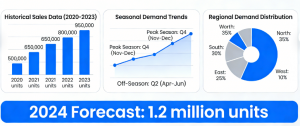
3. Regional Demand Forecast
North America
- Mature market with consistent high-volume demand
- Strong preference for premium, reusable silicone products
- High private label opportunities
Europe
- Focus on quality, sustainability, and compliance
- Demand for eco-friendly and skin-safe materials
- Growth in boutique and fashion retail channels
Southeast Asia
- Fastest-growing region
- High demand for affordable, lightweight, breathable options
- Strong e-commerce-driven sales
Middle East
- Demand driven by modest fashion trends
- Preference for full coverage and strong adhesion products
Latin America
- High demand for push-up and body-enhancing designs
- Strong retail and wholesale turnover
-
4. Product Trends Shaping Future Demand
Reusable Silicone Bras
- Higher margins for wholesalers
- Preferred in developed markets
Disposable Non-Woven Nipple Covers
- High-volume sales
- Ideal for supermarkets and mass retail
Push-Up Adhesive Bras
- Strong demand in fashion-driven regions
- High conversion rates in retail
Ultra-Thin & Invisible Designs
- Increasing demand for seamless aesthetics
- Popular among younger consumers
5. Wholesale Demand by Sales Channel
Supermarkets & Chain Stores
- Focus on high-volume, low-cost SKUs
- Strong demand for disposable products
E-commerce Brands
- Prefer private label & premium products
- High demand for branding and packaging customization
Gift Distributors & Wholesalers
- Focus on bundled products and seasonal packaging
- Demand spikes during holidays
Fashion Retailers
- Require trend-driven, high-margin products
- Strong cross-selling opportunitie
6. Forecast: Best-Selling SKUs for Bulk Buyers
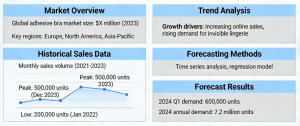
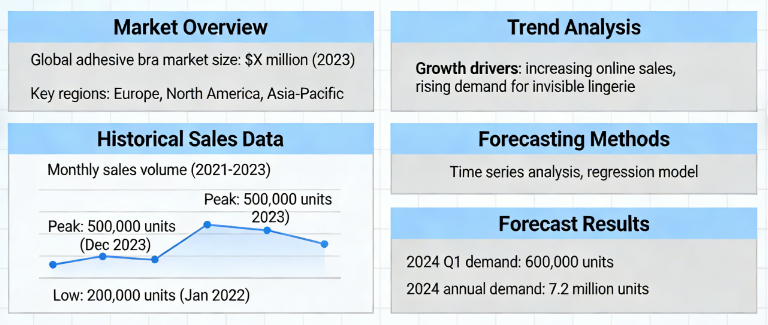
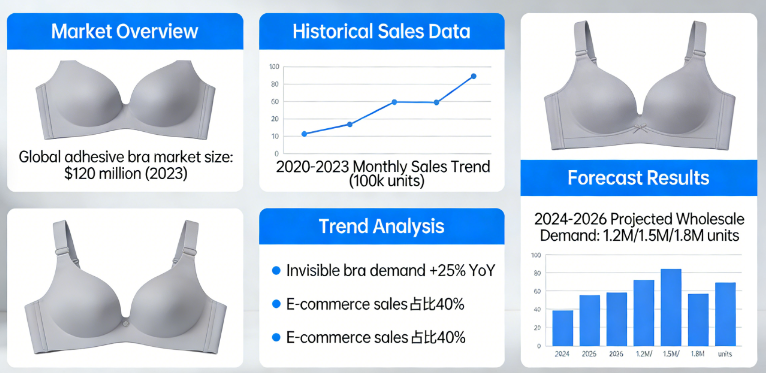
Over the next 2–3 years, the following categories are expected to dominate wholesale demand:
- Silicone reusable nipple covers
- Push-up adhesive bras
- Disposable non-woven nipple covers
- Ultra-thin invisible bra petals
- Multi-pack value sets
Retailers who diversify across these SKUs will reduce risk and increase overall turnover.
Conclusion: Strategic Buying Drives Growth
The wholesale demand for adhesive bras is expected to remain strong and continue expanding globally. For B2B buyers, success lies in understanding regional demand, selecting the right product mix, and building reliable supplier relationships.
By aligning purchasing strategies with market trends, wholesalers and retailers can capitalize on this growing category and achieve sustainable business growth.
Post time: Apr-01-2026