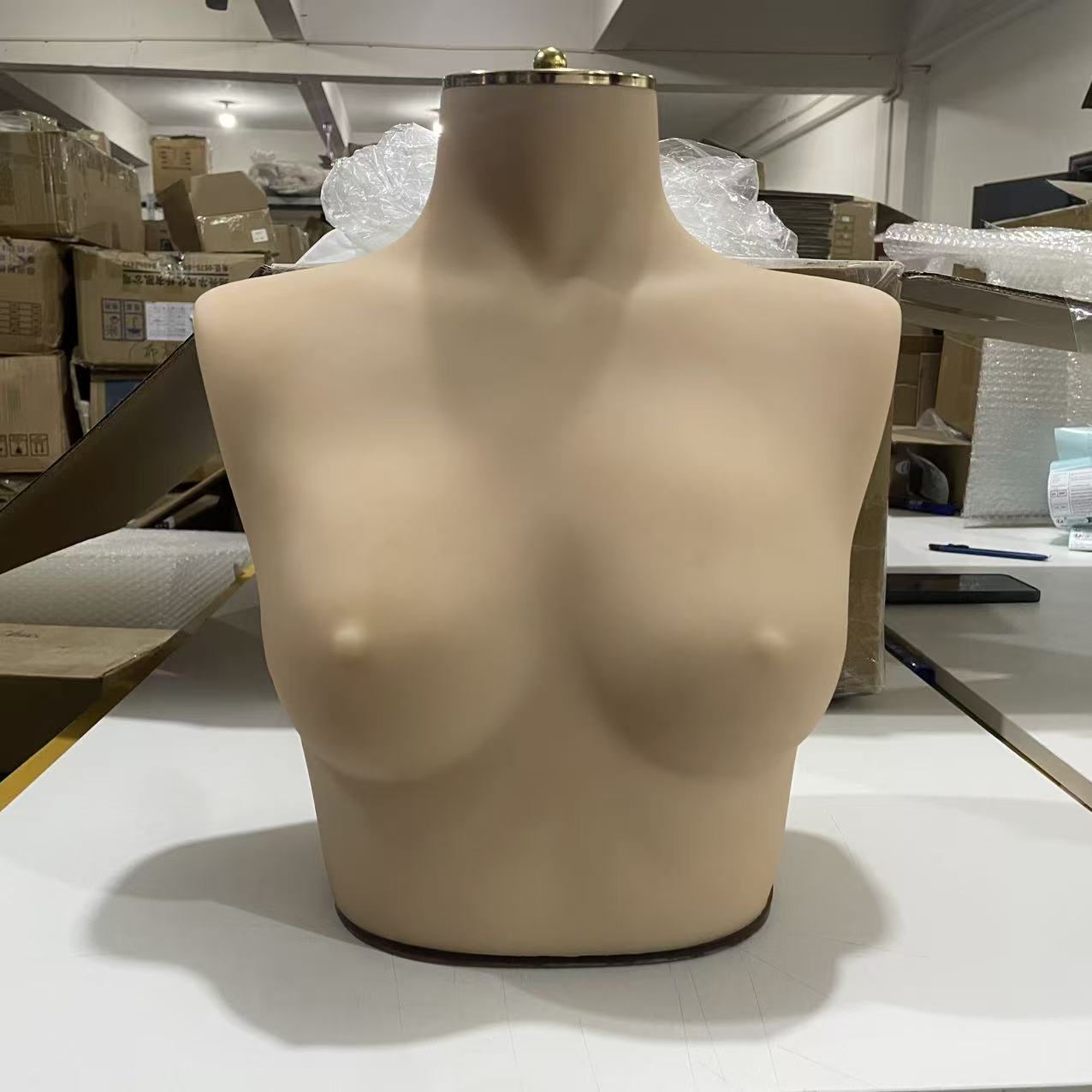
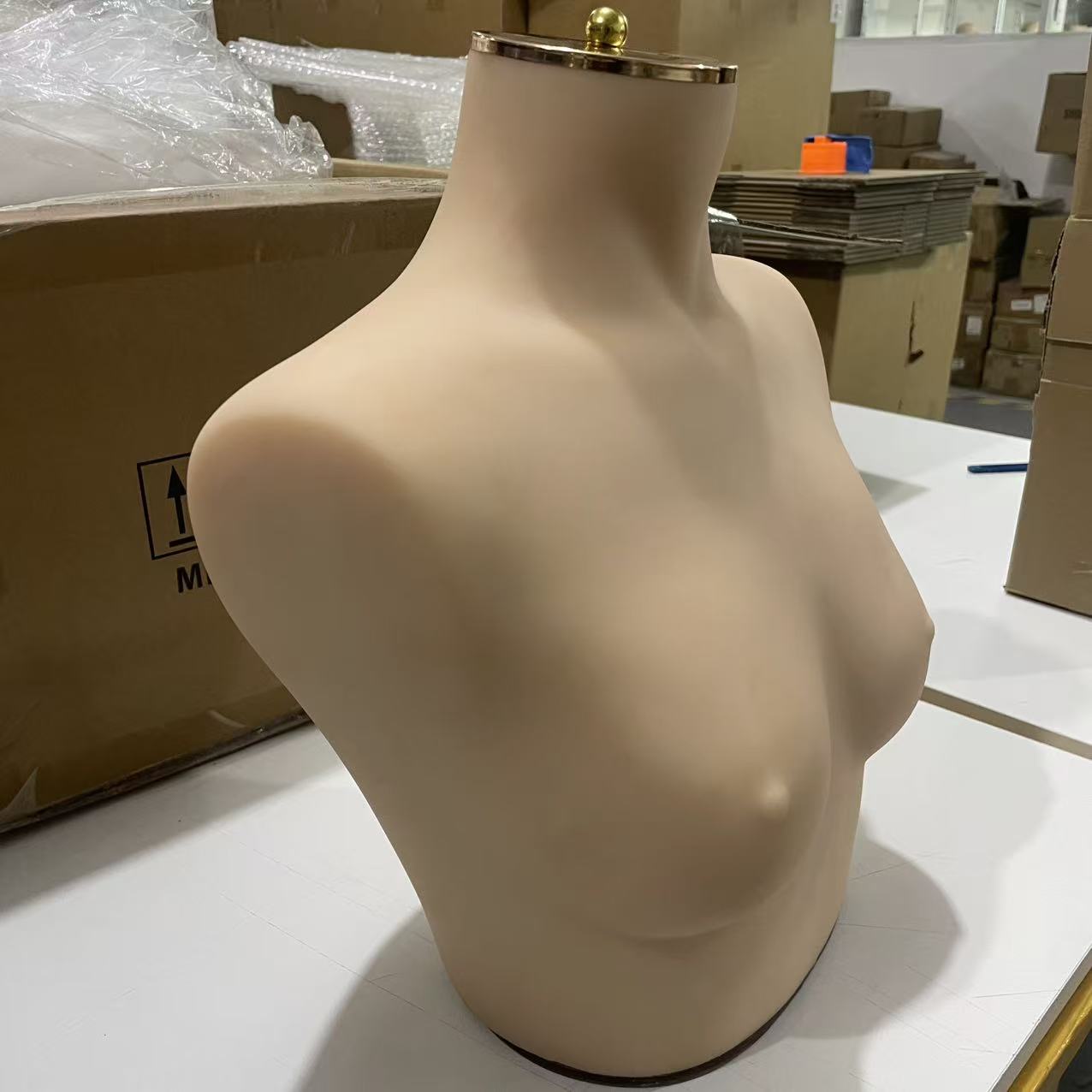
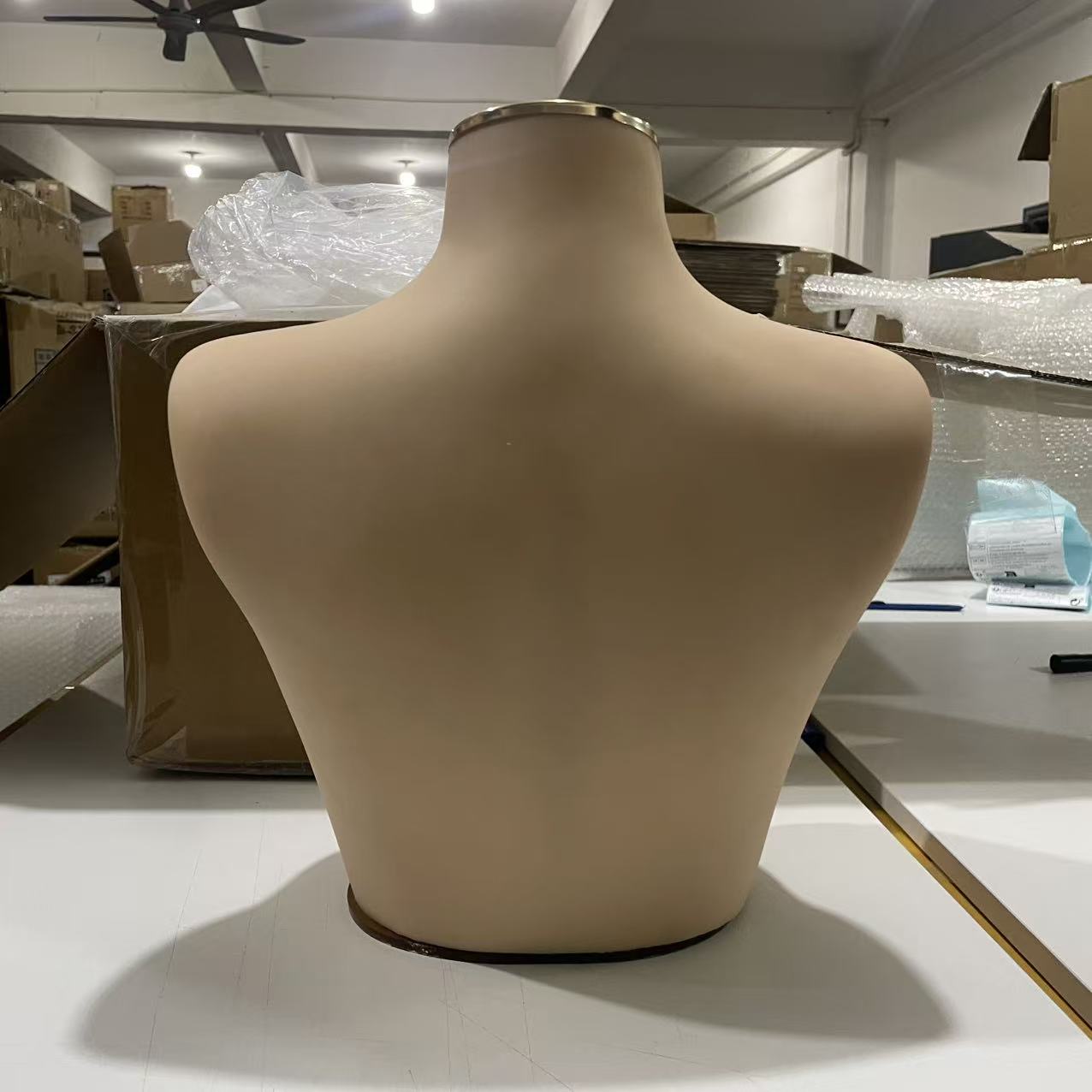
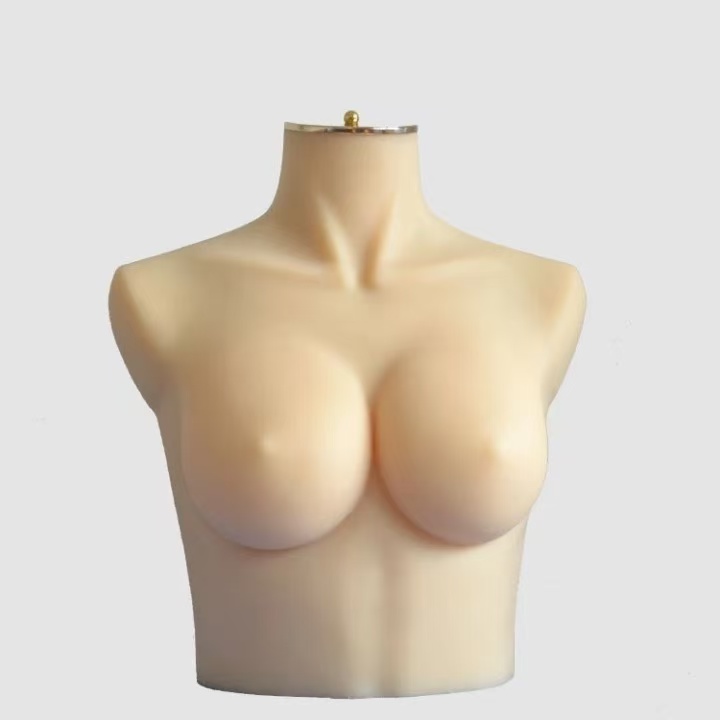
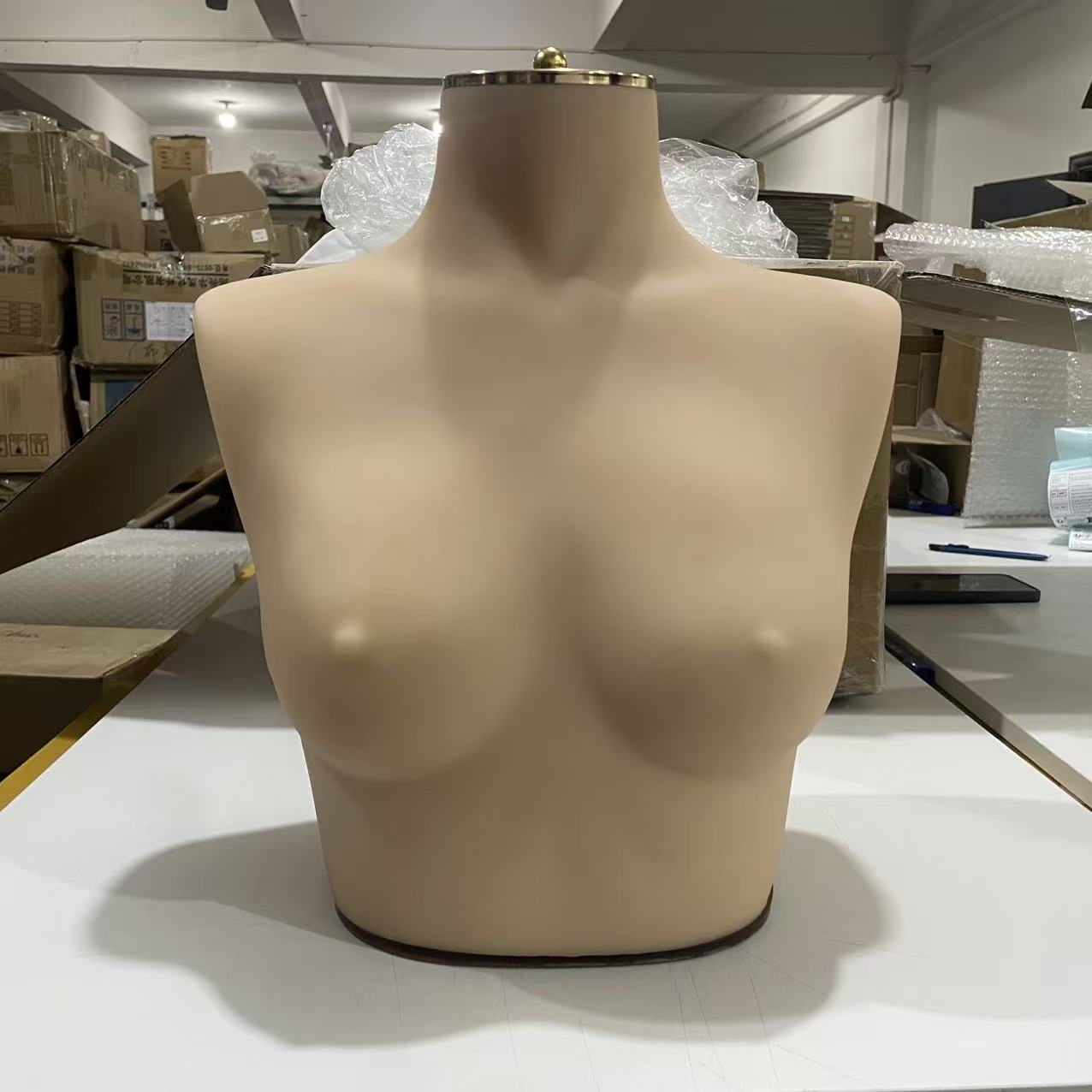
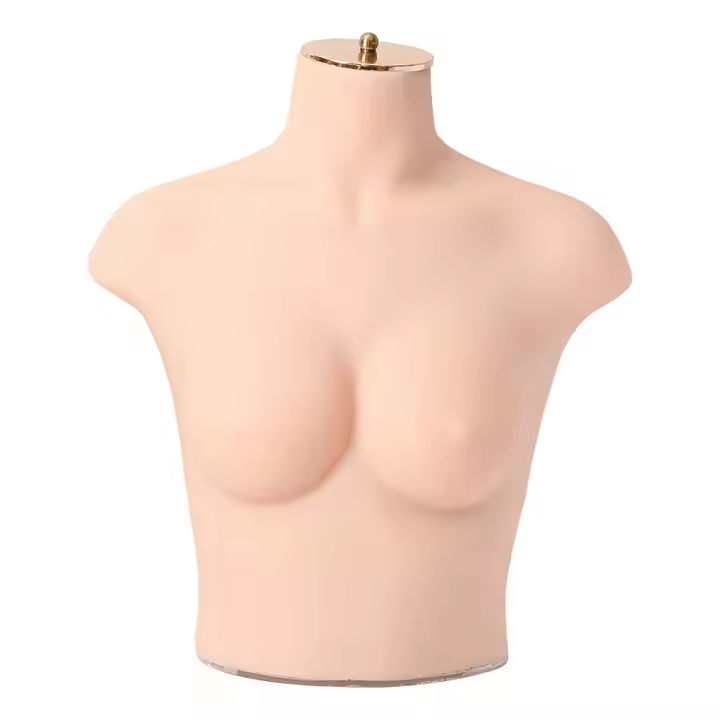
Soft Realistic Silicone Mannequin


Production Specification
| Name | Silicone model |
| Province | zhejiang |
| City | yiwu |
| Brand | ruineng |
| number | CS142 |
| Material | Silicone |
| packing | Opp bag,box,according to your requirements |
| color | Skin |
| MOQ | 1pcs |
| Delivery | 5-7days |
| Size | Free size |
| Weight | 13kg |
Product Description
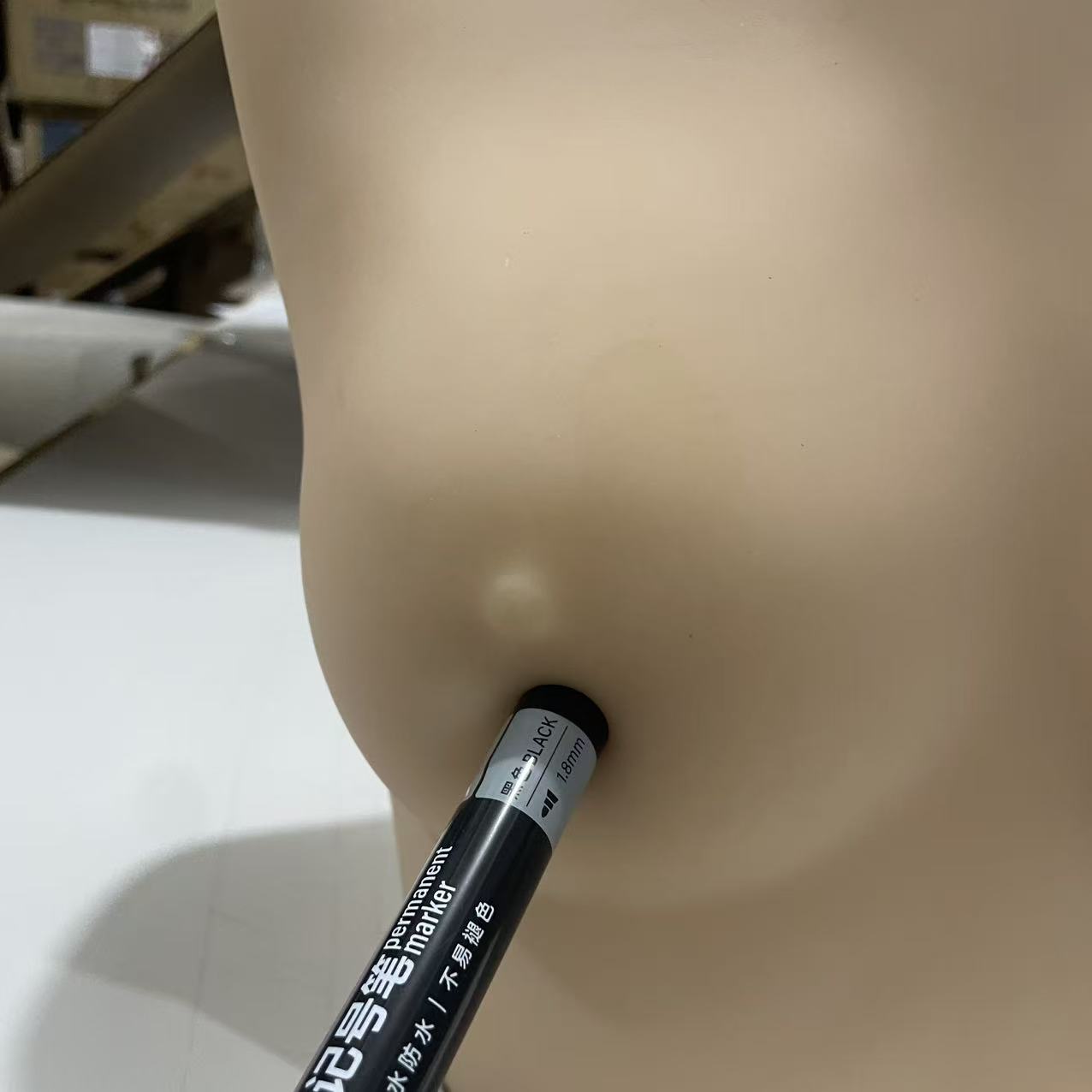
Made primarily from platinum-curability silicone or addition-cure silicone, chosen for its durability, skin-like elasticity, non-yellowing properties, and hypoallergenic safety
Application

The silicone is often layered with embedded substrates (e.g., foam, fabric, or resin-based internal armatures) to simulate bone structure, muscle depth, and subcutaneous tissue
Surface finishing includes realistic skin textures, pigmentation variations (veins, blemishes, moles), and even fine body hair for heightened realism
Models are often based on 3D scanning of real human subjects or anatomical cadaver data to ensure clinical and structural precision
Modular designs may allow for detachable limbs, replaceable organs (in medical models), or adjustable features such as articulated joints
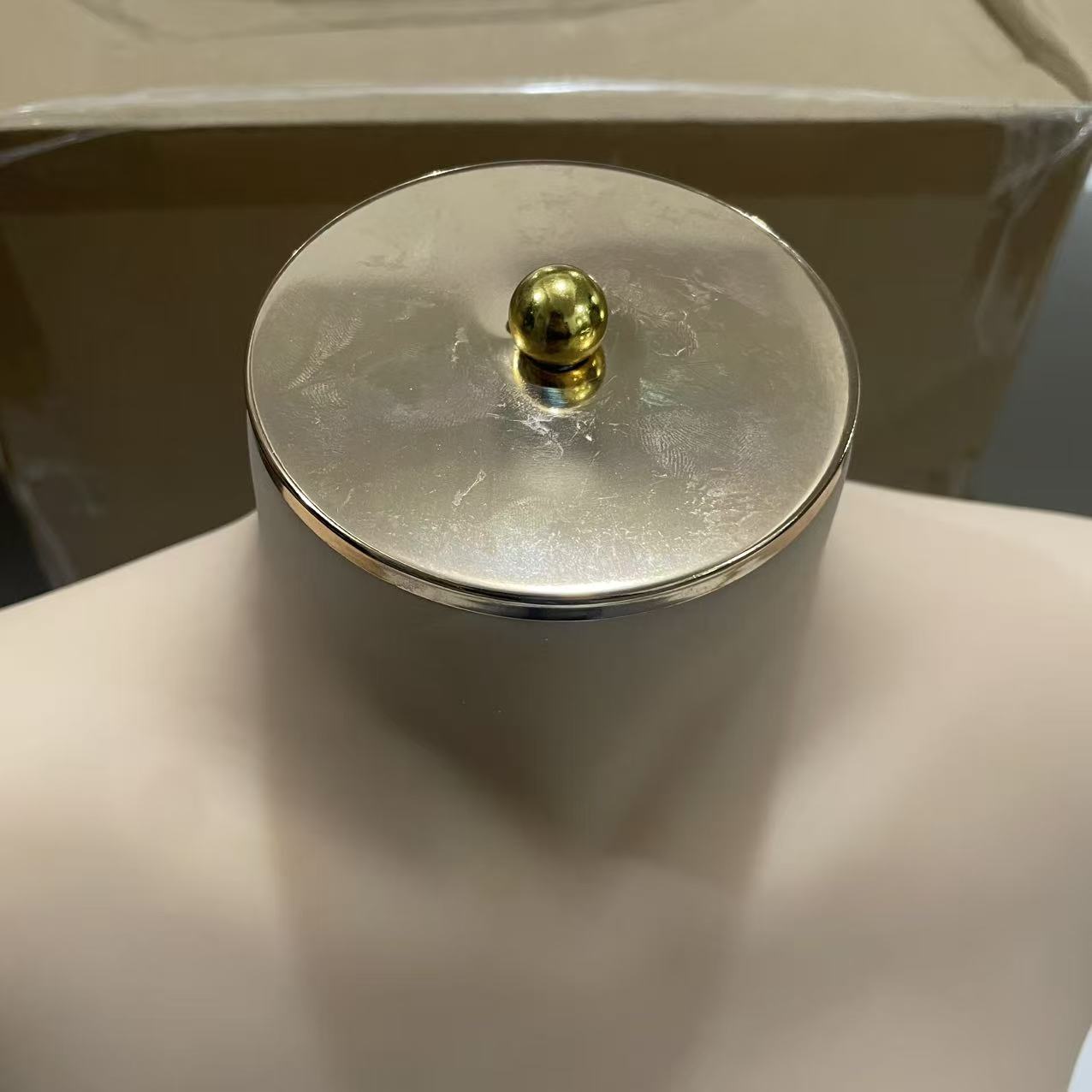
(head, neck, shoulders, chest, arms, sometimes including partial abdomen)
Internal skeletal frameworks (often aluminum or plastic) allow for poseability in artistic or display models
Medical training models may include simulated circulatory, respiratory, or digestive systems with replaceable tissue layers and pathological modules (e.g., tumors, wounds)
Some models integrate sensor technology or fluid reservoirs to simulate physiological responses (bleeding, sweating, pulses)

Allows repeated practice of invasive and non-invasive procedures such as venipuncture, catheter insertion, wound suturing, laparoscopy, or breast examination without risk to live patients
Used in CPR, trauma care, and battlefield medicine simulations—models with integrated feedback systems can assess compression depth, airway management accuracy, or tourniquet application
Helps clinicians visually demonstrate conditions, surgical plans, or anatomical changes to patients, enhancing informed consent and education
Serves as a durable, poseable reference for artists, illustrators, and students studying human proportions, musculature, and surface anatomy
Used in film, theater, and Halloween prop production to mold or design realistic body parts
Provides a realistic, consistent form for garment fitting, design, and window display, especially for bras, swimwear, and medical compression wear
Acts as a testing form for designing custom prosthetics, braces, or wearable medical devices
Similar to pregnancy simulators, models representing conditions like lymphedema, post-mastectomy torso, or obesity are used in healthcare education to foster empathy and understanding of patient experiences
Company information

Q&A