
Introduction
For procurement managers, retailers, and distributors in the personal care and medical supply sectors, the silicone breast prosthesis market has evolved from a niche category into a sophisticated segment of the healthcare and wellness industry. As demand for high-quality, long-lasting, and hypoallergenic body enhancement products grows globally, understanding the technical, logistical, and commercial aspects of these products is critical for making informed purchasing decisions.
This guide breaks down everything you need to know about sourcing, evaluating, and marketing silicone breast prostheses to ensure high customer satisfaction and strong retail performance.
1. Material Integrity: Why Medical-Grade Silicone Matters
The core of any high-quality breast prosthesis is the material. In a B2B context, “silicone” is not a uniform term; the grade of the material directly influences safety, shelf life, and customer trust.
-
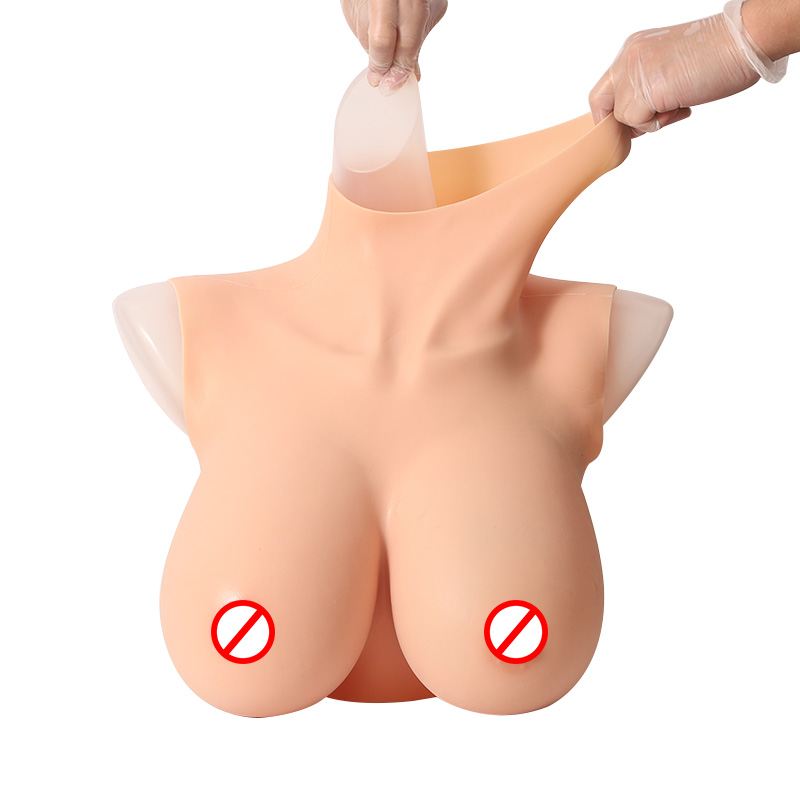
Medical-Grade Purity: Top-tier suppliers use 100% medical-grade, platinum-cured silicone. This material is inherently hypoallergenic, non-toxic, and free from plasticizers (phthalates) or oily residues that can cause skin irritation or allergic reactions over time.
-
Tactile Realism: Advanced manufacturing allows for varying densities within the same prosthesis. A premium product should feature a soft, gel-like core that mimics the natural movement and feel of human tissue, encased in a durable, skin-like silicone film.
-
Durability and Maintenance: Quality silicone prostheses should be resistant to chlorine, salt water, and perspiration. They should also be easy to clean with mild soap and water, maintaining their structural shape without degrading or yellowing after months of regular use.
2. Anatomical Precision: Meeting Diverse Market Needs
One size does not fit all. To succeed in the retail market, distributors must offer a range that caters to different body types and surgical requirements.
-
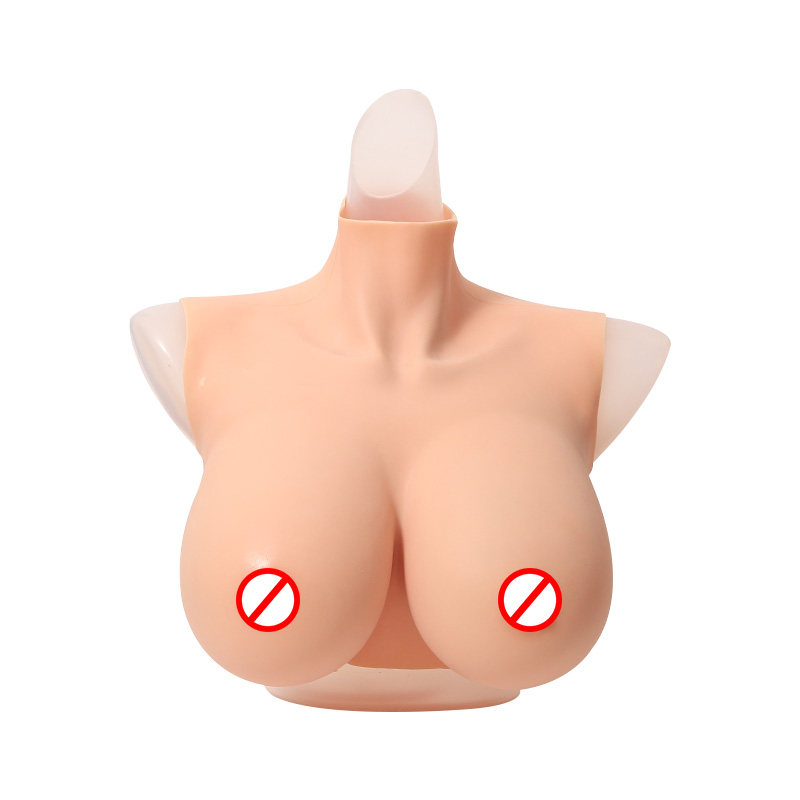
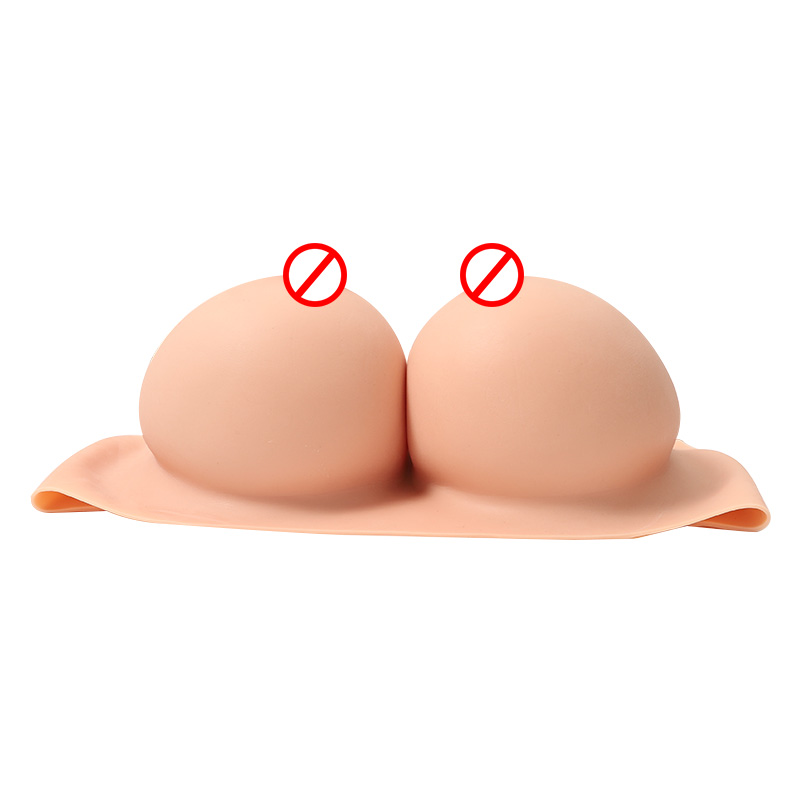
Shape Variety: Common shapes include triangular (versatile for most mastectomy surgeries), teardrop (natural profile for various clothing styles), and symmetrical/asymmetrical designs. Offering a comprehensive catalog allows your retail outlets to serve a broader demographic.
-
Weight Considerations: Modern prostheses are often available in “lightweight” versions, which reduce strain on the shoulders and back for long-term wearers. Providing both standard weight (for balance) and lightweight options is a key differentiator for high-end medical supply retailers.
-
Texture and Finish: The external matte finish is vital. It should simulate the light-diffusing properties of human skin, ensuring the prosthesis looks natural under different types of lighting, from harsh retail fluorescent bulbs to natural outdoor light.
3. Strategic Sourcing: Evaluating Your Supplier
For large-scale retail chains or brand distributors, the supplier is your most important partner. When vetting a potential manufacturer, focus on:
-
Compliance and Certification: Does the supplier hold CE, FDA, or ISO certifications? These are non-negotiable for importing medical-related supplies into North America, Europe, and other strictly regulated markets.
-
R&D Capabilities: Does the factory have its own mold-making department? Custom mold creation is essential if you intend to offer private-label (OEM) products that carry your company’s branding.
-
Supply Chain Reliability: Can the supplier manage lead times for bulk orders (e.g., 5,000+ units) without sacrificing quality control? Consistent batch-to-batch consistency is the hallmark of a professional manufacturing partner.
4. The Retail Advantage: Marketing and Merchandising
How you position these products in your retail space or e-commerce store determines your conversion rate.
-
Educational Content: Don’t just sell the product; provide information. Use infographics or blog posts (like this one) to explain how to select the right size, how to clean the prosthesis, and the benefits of medical-grade silicone.
-
Strategic Bundling: Consider bundling breast prostheses with complementary products such as specialized post-surgery bras or cleaning kits. This increases the average order value and provides a holistic solution for the customer.
-
Privacy and Confidence: For many consumers, this is a sensitive purchase. Your retail environment (both digital and physical) must convey professionalism, empathy, and absolute discretion. Providing detailed fitting guides and sizing charts is essential for reducing returns and building brand loyalty.
5. Future Trends: Sustainability and Innovation
The industry is moving toward more sustainable production methods and personalized solutions. Innovations in 3D scanning and custom-molded prostheses are on the horizon. By partnering with a forward-thinking supplier that invests in these technologies, you ensure that your product range remains competitive and relevant for years to come.
6. Building a Sustainable Supply Ecosystem: Inventory & After-Sales Support
For retail chains and distributors, the relationship with a manufacturer should extend far beyond the initial purchase order. A truly strategic supplier acts as an extension of your business, helping you mitigate risks and optimize inventory performance.
-
Predictive Inventory Planning: Efficient supply chain management is crucial to avoiding stockouts during peak seasons or high-demand periods. Your supplier should provide regular updates on production lead times and shipping capacity, enabling you to practice “Just-in-Time” (JIT) inventory management. This approach minimizes capital tied up in excess stock while ensuring you never miss a sale.
-
Comprehensive After-Sales Support: Providing a high-quality product is only half the battle. Excellent after-sales support is what secures long-term retail partnerships. This includes providing detailed, multi-language technical manuals, high-resolution marketing assets (videos and professional photography), and clear, responsive protocols for handling product warranty claims.
-
Data-Driven Feedback Loops: A professional supplier values your market feedback. By maintaining an open communication channel, you can feed consumer insights—such as specific regional preferences for shape, weight, or skin tone—directly back to the factory. This allows for iterative product improvements, ensuring your inventory always stays ahead of local market trends and competitor offerings.
Conclusion
Investing in high-quality silicone breast prostheses is about more than just stocking shelves—it’s about providing a product that restores confidence and improves the daily lives of your customers. By prioritizing medical-grade materials, anatomical variety, and reliable manufacturing partnerships, you can build a sustainable and highly profitable category within your business.
Ready to elevate your inventory? Whether you are looking for private-label manufacturing or bulk wholesale supply, choosing a partner with a deep understanding of the silicone technology and international compliance standards is the first step toward long-term success.
Post time: Jun-17-2026