
Introduction
For anyone investing in high-quality silicone breast forms, achieving a “seamless look” is the ultimate goal. Whether you are a crossdresser, a transgender individual, or someone seeking post-surgery symmetry, the realism of your silhouette depends heavily on how well the silicone tone matches your natural complexion.
Choosing the right shade online can be tricky, but this guide will help you navigate the process like a pro.
1. Understand Your Skin’s Undertone
Just like choosing a makeup foundation, matching silicone requires looking beyond the surface. Most skin tones fall into three categories:
-
Cool Undertones: Your skin has hints of pink, red, or bluish hues. (Look for shades labeled “Fair” or “Pale Pink”).
-
Warm Undertones: Your skin has a golden, yellow, or peach glow. (Look for “Tan,” “Natural,” or “Sun-kissed” shades).
-
Neutral Undertones: A mix of both warm and cool. (Look for “Ivory” or “Beige”).
Pro Tip: Look at the veins on your wrist under natural light. If they appear blue or purple, you’re likely cool-toned. If they look green, you’re warm-toned.
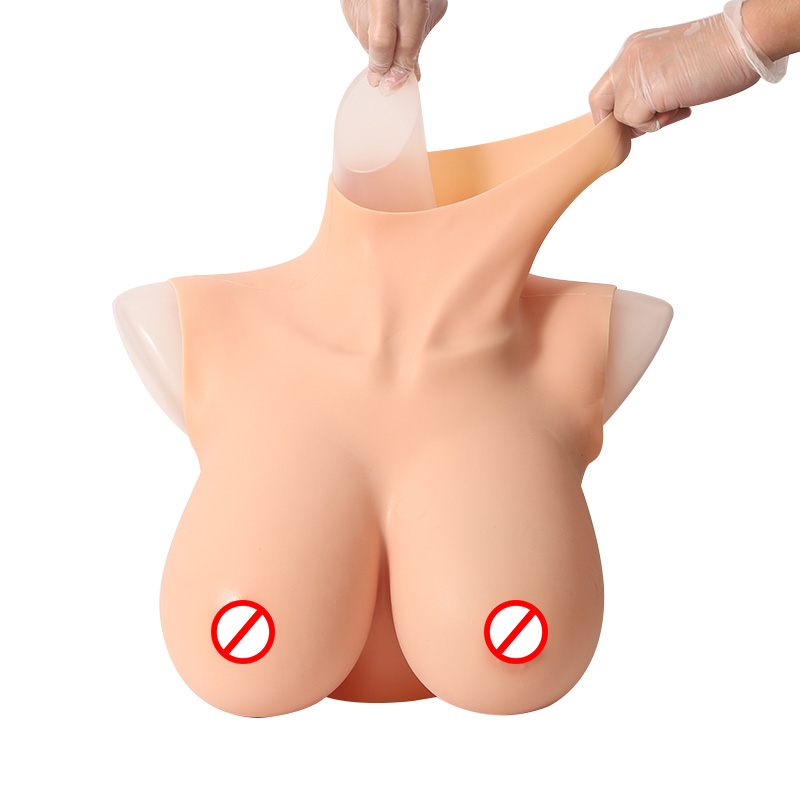
2. The Role of Lighting in Color Matching
One of the biggest mistakes customers make is judging a color based on a smartphone screen in a dark room.
-
Screen Calibration: Different phone and laptop screens display colors differently. A “Tan” on one screen might look “Brown” on another.
-
The “Natural Light” Rule: When comparing your skin to our online color swatches, do so near a window during daylight. Artificial yellow or fluorescent lights can drastically distort how your skin and the silicone appear.
3. Think About the “Transition Zone”
Where will the breast forms sit? Unless you are wearing a high-neck bodysuit, the edges of the forms will likely meet your chest or collarbone area.
-
Match the Chest, Not the Face: Your face is often darker or more tanned than your chest. Always try to match the skin tone of your upper torso to ensure the transition from silicone to skin is invisible.
-
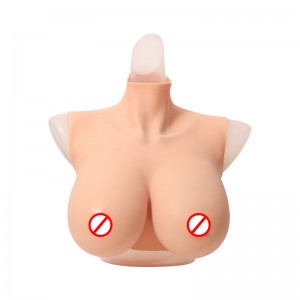
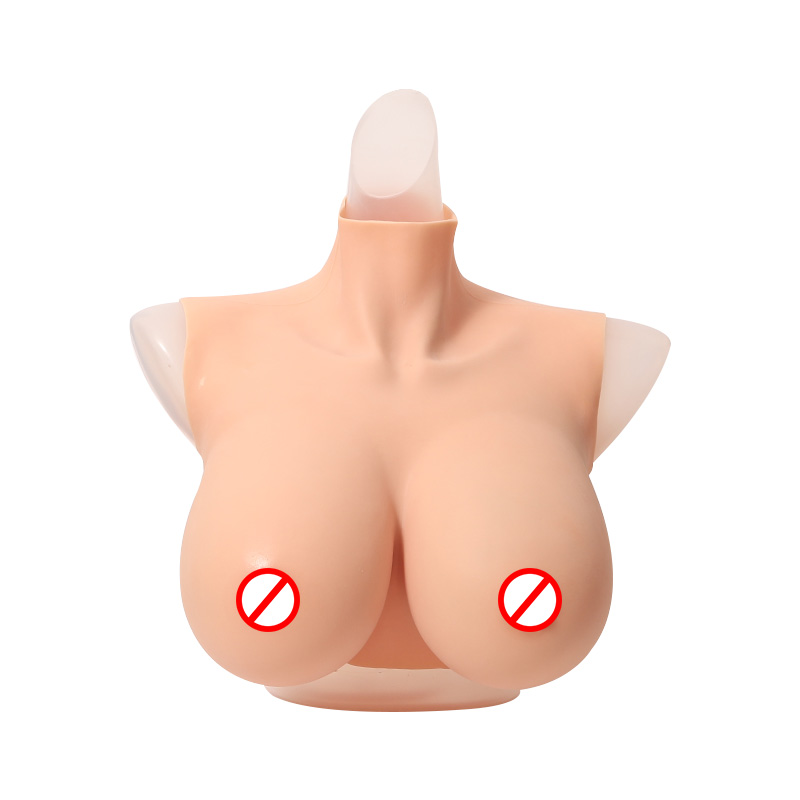
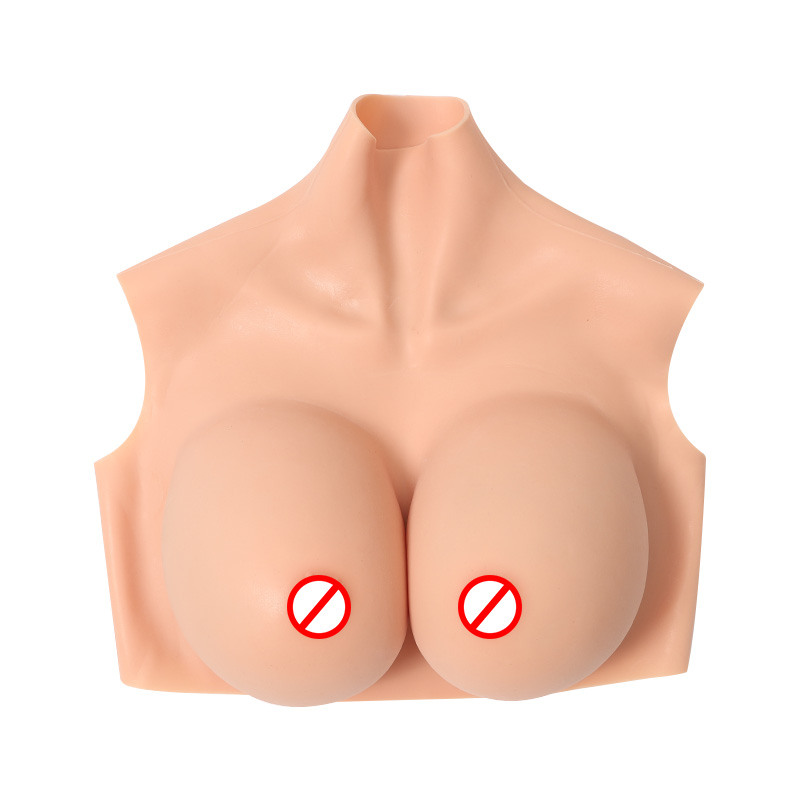
The Edge Factor: High-quality forms (like ours) feature ultra-thin, tapered edges. These are designed to let your natural skin color “show through” slightly at the border, helping to blend even if the match isn’t 100% perfect.
4. Common Shade Categories in Silicone Products
Most professional suppliers categorize tones to simplify your choice:
| Shade Name | Best For |
| Fair / Ivory | Very pale skin, often with cool/pink undertones. |
| Natural / Beige | The most versatile option for light-to-medium Caucasian or East Asian skin tones. |
| Tan / Suntan | Golden/Olive complexions or those who use bronzing products. |
| Dark / Chocolate | Deep, rich complexions with warm undertones. |
5. What If You Are “Between” Sizes or Colors?
If you find yourself stuck between two shades, we usually recommend choosing the lighter option.
Why? It is much easier to use a little bit of makeup (setting powder or foundation) to darken the silicone or blend the edges than it is to lighten a form that is too dark.
6. How to Achieve 100% Realism
If you want to take your realism to the next level, consider these “Finishing Touches”:
-
Matte Finish: Ensure your forms have a matte texture. Shiny silicone looks like plastic; matte silicone looks like skin.
-
Use Concealer: You can apply a small amount of skin-safe makeup to the edges of the form where it meets your skin for a flawless, high-definition look.
Conclusion: Your Confidence, Your Choice
Choosing a skin tone is a personal journey. While we provide detailed swatches and descriptions, the most important thing is how you feel when you look in the mirror.
Still Unsure?
Our team of experts is here to help. Send us a clear photo of your chest area taken in natural daylight, and our color-matching specialists will recommend the best shade for your unique skin tone.
Post time: May-22-2026