
Introduction
The Middle East is emerging as a promising yet complex market for silicone body products, including silicone breast forms and related enhancement solutions. Driven by healthcare demand, rising consumer awareness, and gradual shifts in lifestyle preferences, the region presents significant opportunities for global suppliers and distributors.
However, entering this market requires a deep understanding of regulatory frameworks, cultural dynamics, and distribution structures. This article explores the true market potential and what B2B buyers and suppliers need to know.
1. Market Size and Growth Potential
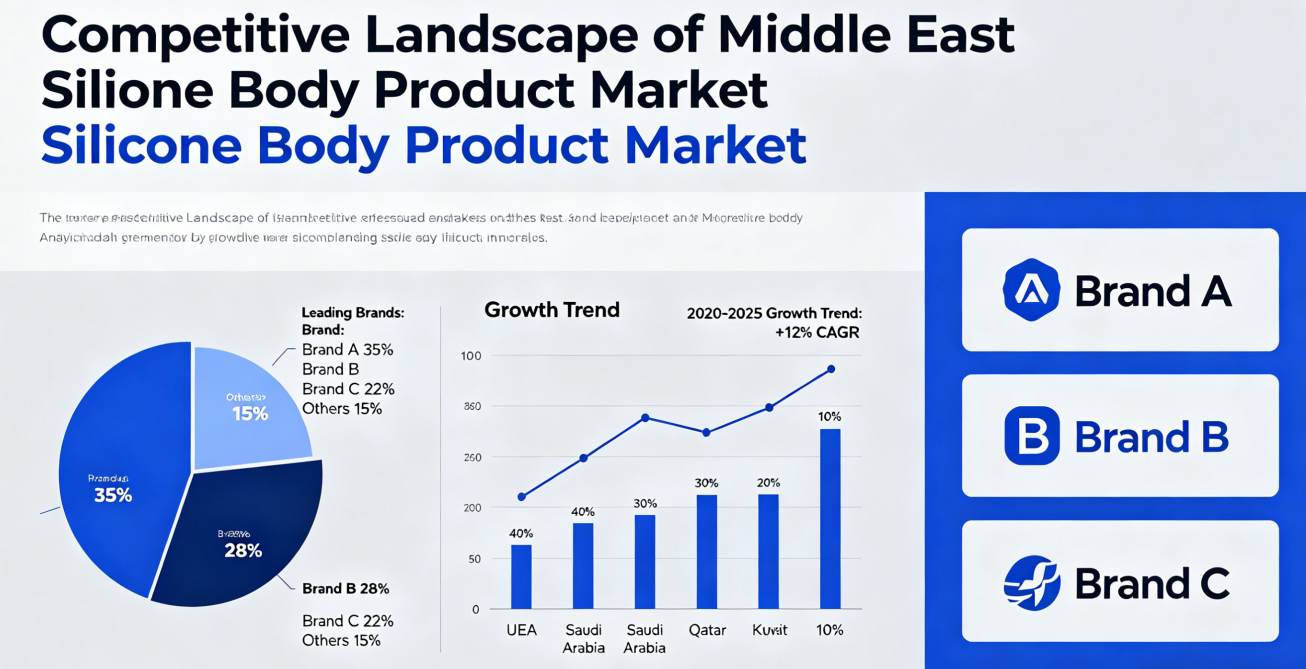
The Middle East silicone-related body product segment is experiencing steady expansion.
- The regional breast prosthetic market was valued at approximately USD 0.45 billion in 2024 and is projected to reach over USD 1.0 billion by 2034, with a CAGR of around 7–9%
- Silicone-based products dominate the category, accounting for about 60%+ market share due to their realism and comfort
- Adjacent categories (such as breast shells) are growing even faster, with CAGR up to 10%
Key takeaway for buyers:
This is not a niche market—it is a growing, scalable category with long-term demand, especially in healthcare and lifestyle segments.
2. Key Demand Drivers
2.1 Medical & Post-Surgery Demand (Primary Driver)
The largest demand segment in the Middle East comes from:
- Post-mastectomy recovery
- Breast cancer rehabilitation
- Non-surgical body restoration
Reconstruction applications account for around 70% of demand
Additionally:
- Rising breast cancer awareness
- Government and insurance support
- Increasing healthcare infrastructure
This makes hospitals, clinics, and medical distributors critical B2B entry points.
2.2 Growing Preference for Non-Surgical Solutions
Consumers are increasingly choosing:
- Non-invasive alternatives
- Temporary or flexible body enhancement
- Affordable substitutes to surgery
Silicone prosthetics are preferred because they:
- Mimic natural tissue
- Provide comfort for long-term wear
- Require no medical procedure
2.3 Product Innovation Driving Adoption
Demand is rising for:
- Lightweight silicone materials
- Breathable and skin-friendly designs
- Custom-fit or personalized products
Innovation is a key growth driver, especially among younger and urban consumers
3. Distribution Channels in the Middle East
Unlike Western markets, distribution in the Middle East is more fragmented.
Main channels include:
- Hospitals and medical supply distributors
- Specialty prosthetic stores
- Retail & pharmacy chains
- E-commerce platforms
- NGOs and healthcare programs
For exporters:
Working with local distributors or regional partners is often essential for market entry.
4. Cultural and Market Barriers
Despite strong growth potential, several barriers must be considered:
4.1 Cultural Sensitivity
- Some markets have conservative attitudes toward body-related products
- Marketing must remain discreet and medically positioned
4.2 Awareness Gaps
- Many consumers are still unaware of available solutions
- Education-based marketing is required
4.3 Price Sensitivity
- Premium silicone products can be expensive
- Cost remains a barrier for mass adoption
4.4 Regional Differences
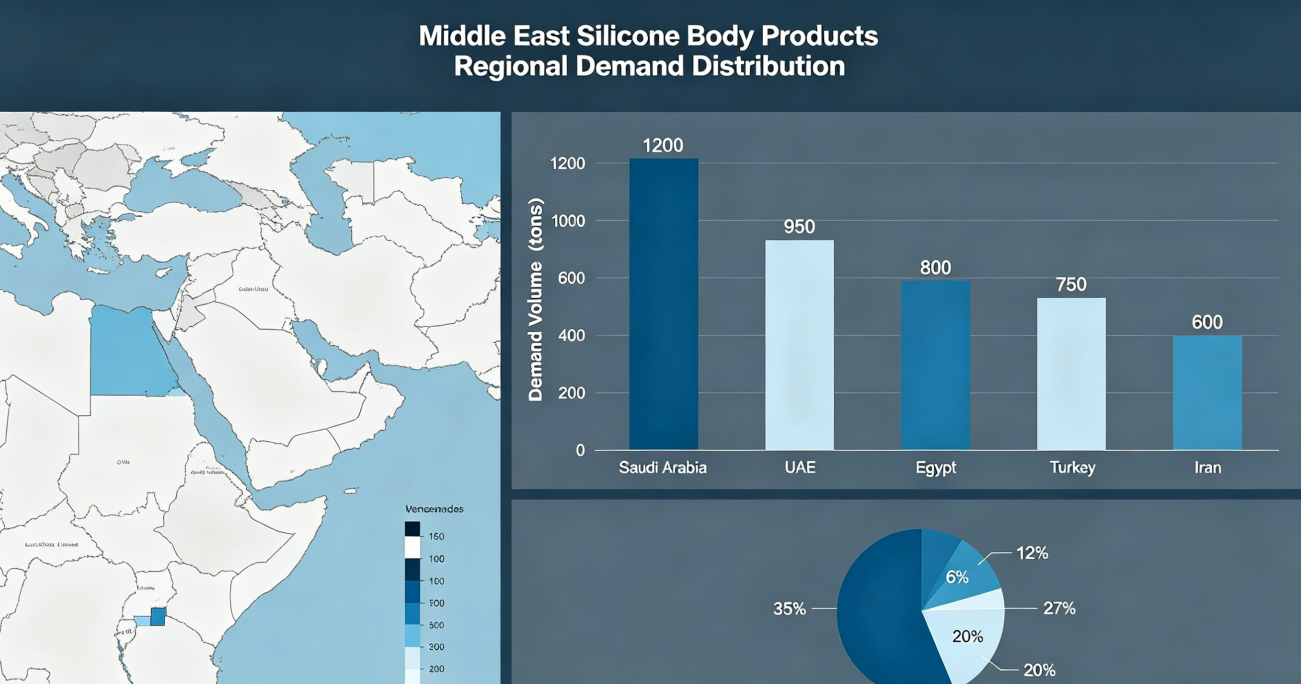
- UAE / Saudi Arabia → higher purchasing power
- Other regions → more price-driven
5. Regulatory and Compliance Challenges
The Middle East does not have a unified regulatory system.
Challenges include:
- Different approval processes by country
- Complex medical device classifications
- Documentation and certification requirements
For suppliers:
Compliance readiness is often a deal-breaker in B2B negotiations.
6. Opportunities for B2B Buyers and Distributors
6.1 High-Growth Product Segments
- Silicone breast forms (dominant category)
- Lightweight and breathable designs
- Custom-fit prosthetics
6.2 Private Label Opportunities
Retail chains and distributors can:
- Launch their own brands
- Customize packaging and positioning
- Target niche segments (medical / lifestyle)
6.3 Untapped Retail Potential
- Limited presence in large retail chains
- Opportunity for supermarket and pharmacy expansion
6.4 E-commerce Expansion
Online sales are increasing rapidly, especially in:
- UAE
- Saudi Arabia
- Southeast-linked markets
-
Conclusion
The Middle East represents a high-potential yet underdeveloped market for silicone body products. With strong growth driven by healthcare demand, increasing awareness, and product innovation, the region offers significant opportunities for global suppliers and distributors.
However, success depends on more than product quality—it requires cultural understanding, regulatory compliance, and strategic partnerships.
For B2B buyers and exporters, those who can adapt to regional dynamics will be best positioned to capture long-term growth in this evolving market.
Post time: Apr-22-2026