
Introduction
As the shapewear industry continues to evolve, silicone bodysuits are emerging as a premium and highly specialized product category. For B2B buyers, distributors, and private label brands, understanding this niche can unlock new opportunities in high-margin and differentiated markets.
This guide explains what silicone bodysuits are, how they work, and what buyers need to know before entering this segment.
1. What Is a Silicone Bodysuit?
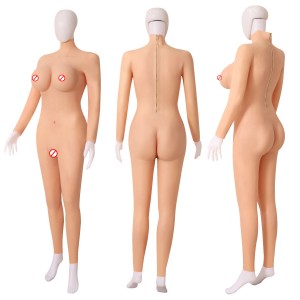
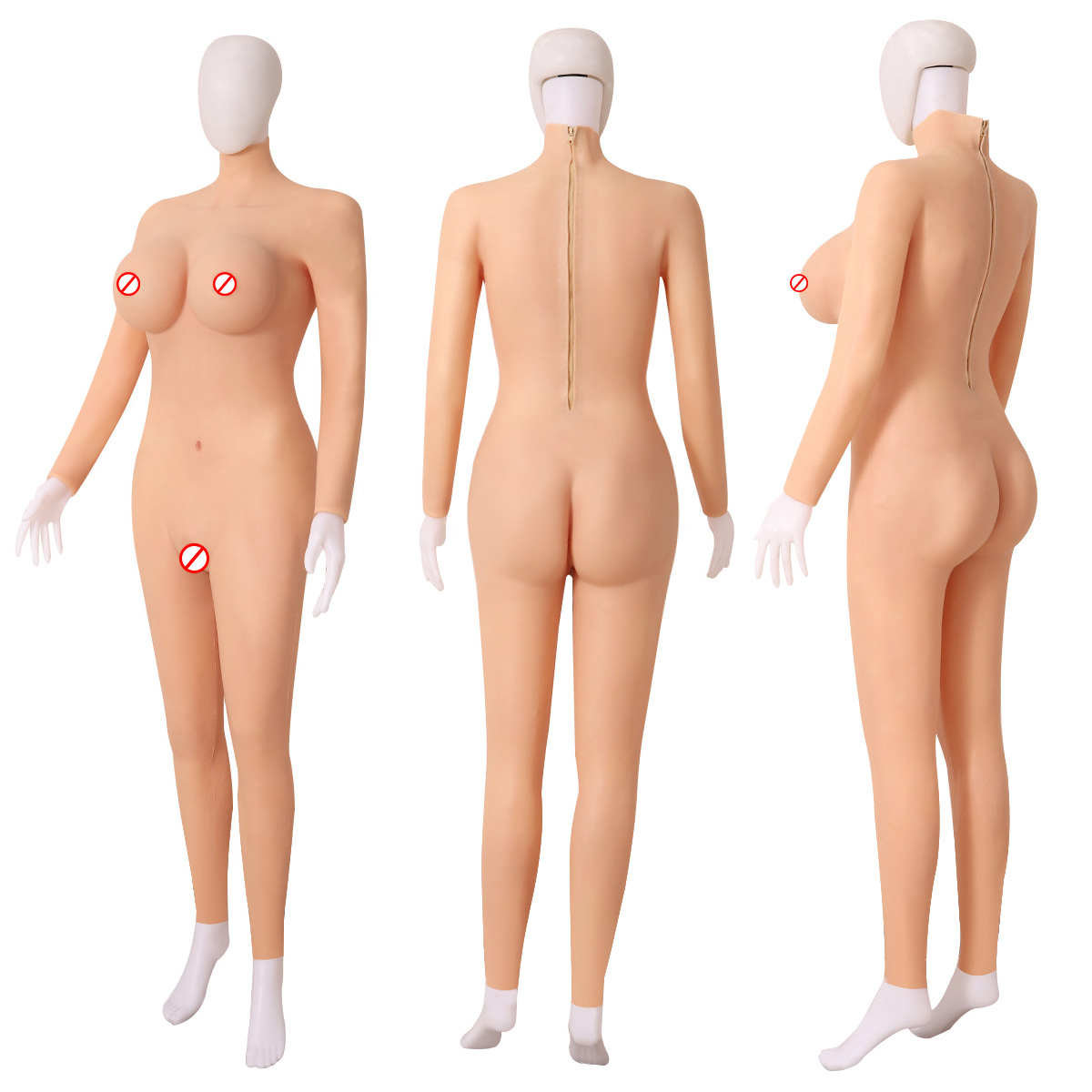
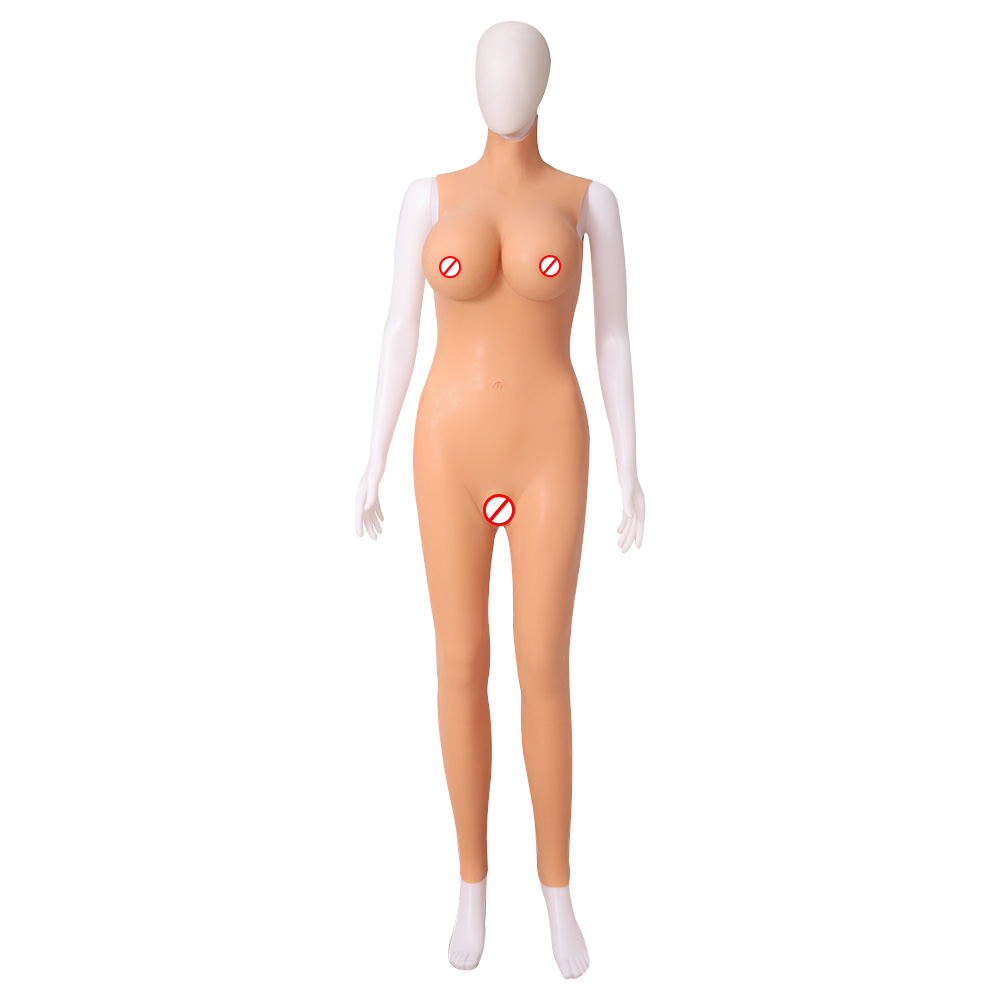
A silicone bodysuit is a full or partial body garment made with silicone-based materials designed to replicate natural body contours. Unlike traditional shapewear that relies mainly on fabric compression, silicone bodysuits focus on:
- Enhancing body shape
- Adding volume (hips, buttocks, bust)
- Creating a realistic skin-like appearance
They are commonly used for:
- Body contour enhancement
- Costume and performance wear
- Film and stage productions
- Specialized fashion applications
For B2B buyers, this product sits at the intersection of:
- Shapewear
- Costume/entertainment apparel
- Niche lifestyle products
2. How Is It Different from Traditional Shapewear?
Understanding the difference is critical for proper market positioning.
| Feature | Silicone Bodysuit | Traditional Shapewear |
|---|---|---|
| Material | Silicone-based | Fabric (nylon/spandex) |
| Function | Adds shape/volume | Compresses & smooths |
| Appearance | Skin-like | Invisible under clothes |
| Price | High | Medium to low |
| Use Case | Niche/specialized | Everyday wear |
In short:
- Shapewear = compression
- Silicone bodysuit = transformation
3. Types of Silicone Bodysuits
Buyers should understand the main product variations:
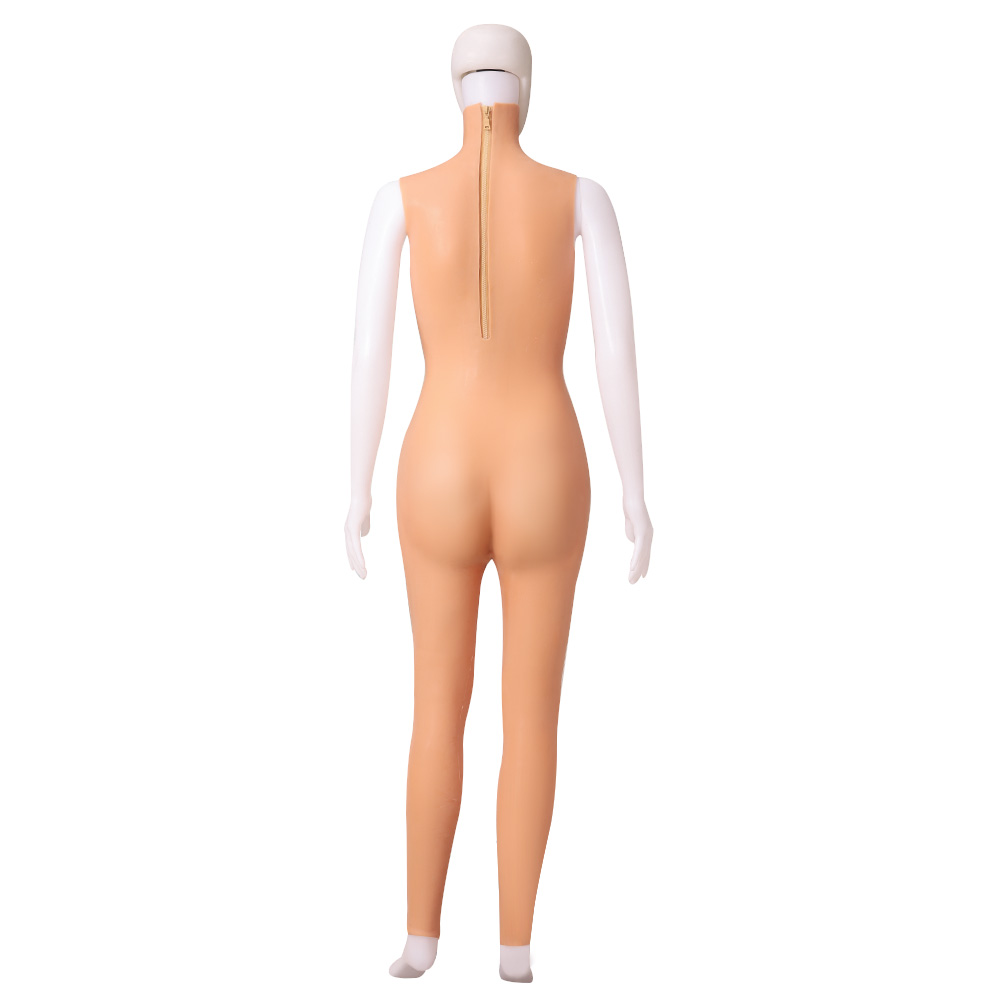
3.1 Full-Body Silicone Suits
- Covers torso and limbs
- Used in film, cosplay, and performance
- Highest price segment
3.2 Silicone Torso Bodysuits
- Focus on upper body shaping
- Adds bust or abdominal definition
3.3 Lower Body Enhancement Suits
- Enhances hips and buttocks
- Popular in fashion and performance markets
3.4 Hybrid Silicone + Fabric Bodysuits
- Silicone padding combined with fabric
- Lower cost and more wearable
4. Key Materials and Construction
Silicone bodysuits are made using:
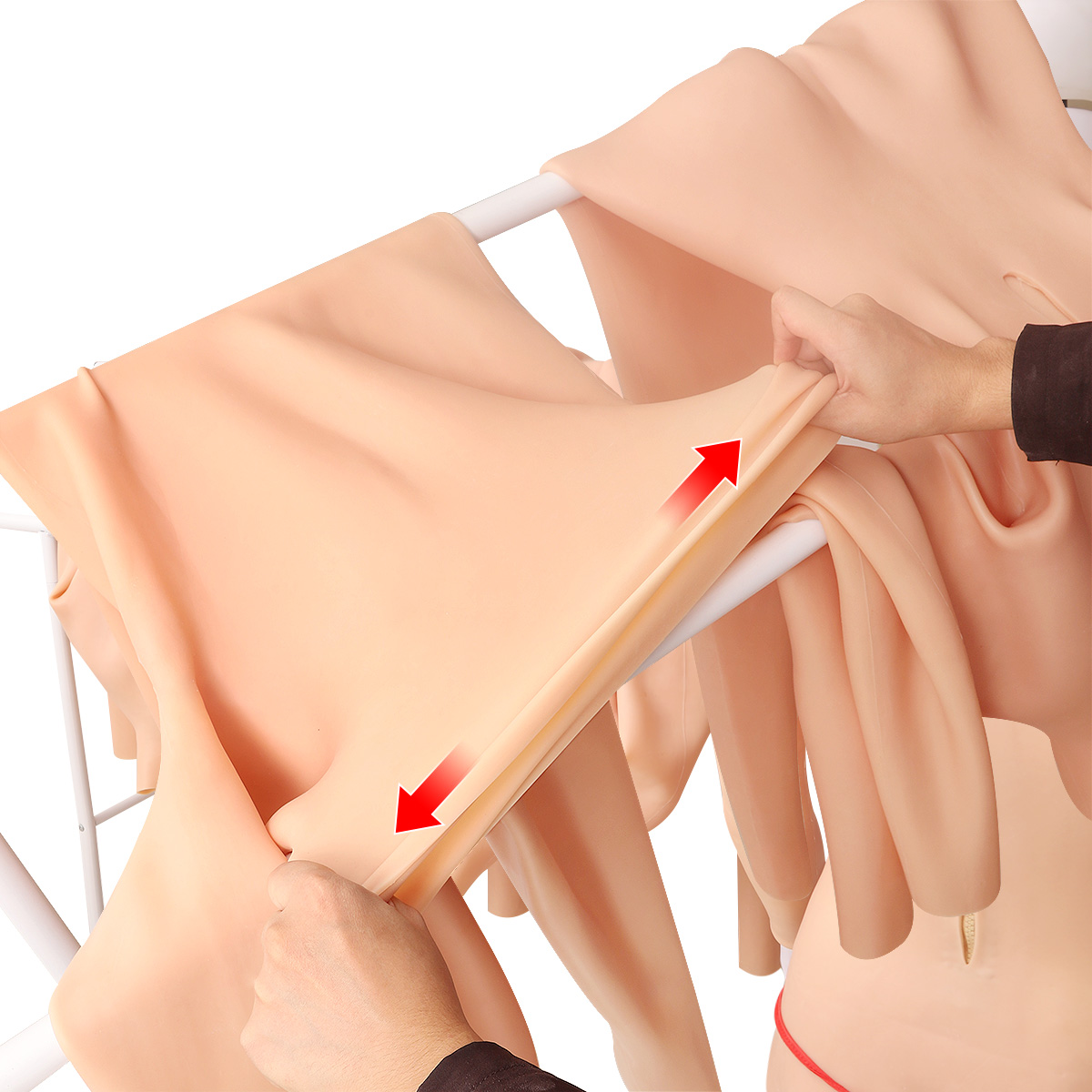
Medical-Grade or Industrial Silicone
- Soft and flexible
- Skin-like texture
- Durable but heavy
Inner Support Layers
- Mesh or fabric structure for stability
Surface Finishing
Matte or glossy skin effect
- Sometimes hand-painted for realism
Buyer Considerations:
- Weight (can be heavy)
- Heat retention (low breathability)
- Durability vs flexibility
5. Who Is the Target Market?
Unlike traditional shapewear, silicone bodysuits target niche but high-value segments:
Primary Buyers:
- Costume distributors
- Film & TV production suppliers
- Cosplay and performance retailers
- Specialty e-commerce brands
Secondary Markets:
- Fashion experimentation brands
- Body transformation enthusiasts
For B2B, this is a low-volume, high-margin category.
6. Pricing and Margin Structure
Silicone bodysuits are positioned as premium products.
Typical Pricing Factors:
- Amount of silicone used
- Level of detail and realism
- Customization (skin tone, shape)
- Production complexity
Key Insight:
- Higher unit cost
- Higher resale margin
- Lower turnover compared to shapewear
This makes them ideal for specialty distributors rather than mass retail chains.
Conclusion
Silicone bodysuits represent a specialized and premium extension of the broader shapewear and body-enhancement market. While they differ significantly from traditional compression garments, they offer unique value through realistic body transformation and high-end positioning.
Post time: Apr-27-2026