
Silicone Shapers and Body Contouring: A Private Label Guide
Silicone shapers have moved from a niche costume accessory to a mainstream body contouring category stocked by apparel brands, shapewear retailers and live commerce sellers alike. Unlike fabric compression garments that squeeze the body into shape, silicone shapers add volume where the wearer wants it: a fuller hip line, a smoother waist silhouette, a curved chest profile. For importers and brand buyers, this difference matters because it changes the sourcing conversation entirely. You are no longer buying textile construction and compression zoning. You are buying molded silicone geometry, skin-contact material grades, adhesive systems and a mold development process that determines both your upfront cost and your long-term margin. This guide walks through the full private label journey for silicone shapers, from SKU architecture and material selection to mold making, sizing, compliance, packaging and reorder strategy.
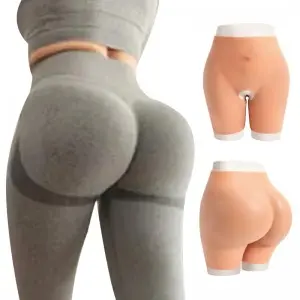
The Silicone Shapers Category Map: Building a Coherent SKU Architecture
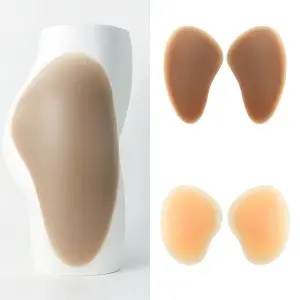
A well planned private label program in this category usually starts with a core family of shapes rather than a single hero product. The most commercially proven architecture includes the following groups. A waist shaper line covers slimming belts and abdomen-smoothing panels that pair with everyday clothing. Hip pads, including hip and buttock enhancers, create the curved lower-body silhouette that dominates social media driven demand. Fake hip pads, sometimes called hip improvers, sit alongside padded shapewear briefs that hold the silicone in fabric pockets. Chest contouring products, from full breast forms to lighter partial inserts, serve both fashion and post-surgery adjacent retail channels. Full bodysuit shapers combine torso shaping with integrated hip and chest volume in a single pull-on garment. Edge products such as thigh and arm contour sleeves round out the range for crossdressing, cosplay and performance markets.
When you plan the assortment, think about how the SKUs cross-sell. A customer buying hip pads very often needs a waist shaper and a contour brief to hold everything in place. Bundles built around a complete body contouring look typically lift average order value significantly compared with single-piece listings, and they give your private label a system feel rather than a random-parts feel. Ask your supplier which combinations they already mold in matching skin tones and thicknesses, because consistency across the family is what makes a brand look deliberate.
Platinum-Cure vs Tin-Cure Silicone: The Material Decision That Defines Your Brand
The single most important technical decision in silicone shapers sourcing is the cure system of the raw material. Most molded silicone on the market comes in two families: platinum-cure (addition-cure) silicone and tin-cure (condensation-cure) silicone. The differences show up in safety, feel, smell and aging, and they directly justify price gaps between seemingly identical products.
- Platinum-cure silicone uses a platinum catalyst to crosslink the polymer. It is the grade generally expected for prolonged skin-contact products. It is odorless or nearly odorless, has stable skin-friendly properties, and resists yellowing and hardening over time. For a private label brand whose reputation depends on repeat purchases, platinum-cure is the safer default for anything a customer wears against bare skin for hours.
- Tin-cure silicone cures using a tin-based catalyst. It is cheaper and easier to process, which is why ultra-low-price shapers are usually molded in it. The trade-offs: a faint chemical smell that some customers notice on opening the package, faster aging with shrinkage and loss of elasticity, and a less refined rebound in the hand feel. Over months of use, tin-cure pads can deform and discolor, which shows up directly as returns and negative reviews.
- Feel and rebound. Platinum-cure material delivers a bouncier, more skin-like rebound that reads as higher quality the moment a shopper squeezes the product in store or on a livestream. Tin-cure tends to feel denser and slightly tacky after curing.
- Cost positioning. Expect a meaningful raw material cost gap between the two grades. A sensible private label strategy is to run platinum-cure for all skin-contact and repeat-wear SKUs, and reserve tin-cure, if at all, for costume-grade or single-use promotional items clearly positioned as such.
When you request quotations, always ask the supplier to state the cure system and the shore hardness of the proposed material in writing, and to confirm that the same grade will be used through the production run. Material substitution between sampling and mass production is one of the most common disputes in this category, and a clear written specification is your protection.
From Sculpt to Shelf: The Mold Development and Private Label Workflow
Custom silicone shapers follow a fixed development sequence, and understanding it helps you negotiate timeline and cost realistically.
- Step 1: Sculpting the prototype. A sculptor hand-models the master shape in clay or digital 3D, defining the curves, edge taper and overall volume. This stage decides how natural the final product looks under clothing, so ask for photos or a 3D preview before approving.
- Step 2: Mold development. The approved master is used to cut the production mold, usually in fiberglass or metal depending on expected volume. Mold quality determines edge sharpness, surface texture and parting-line placement.
- Step 3: Sampling. The factory casts first samples in your specified material and skin tone. Check thickness uniformity, edge thinning, rebound and weight against target specs.
- Step 4: Mold revision rounds. Almost no shape is perfect on the first cast. Typical programs allow one to three revision rounds on edges, volume and fit. Agree in advance on how many rounds are included in the mold fee before you pay it.
- Step 5: Mass production. After final sample sign-off, the factory schedules molding, trimming, quality inspection and private label packaging.
- Step 6: Private label packaging. Your logo goes on the product, the box and the insert card, and the goods ship as your brand.
MOQ and Mold Fees: How to Judge Whether a Quote Is Fair
Two numbers dominate the negotiation: the one-time mold fee and the minimum order quantity. For standard existing shapes that the factory already molds, mold fees are often waived entirely and MOQs can be surprisingly low, sometimes just a few hundred pieces per color, because the factory is only changing packaging. For fully custom shapes, you fund new tooling. A practical way to judge a mold quote is to amortize it: divide the mold fee by the expected first-year unit volume. If the amortized tooling adds only a small percentage to your landed unit cost, the investment is healthy. If it doubles your unit cost, either the volume does not justify the mold or you should negotiate shared tooling, for example by committing to a reorder within a set period in exchange for a lower fee.
On MOQ, ask for tiered pricing at two or three volume breaks before committing. This gives you a clear view of where the factory’s real capacity economics sit, and it lets you launch with a conservative first order while locking in the margin structure for reorders. A supplier confident in their process will rarely resist a tiered quote request.
Sizing Systems and Grading: Why Coverage Drives Retail Conversion
Silicone shapers are sold by waist, hip or garment size, and the size range you offer has an outsized effect on conversion. A range that stops at a mid hip measurement abandons exactly the customer segments most motivated to buy hip pads and waist shapers. When you plan grading, request the factory’s size chart with actual centimeter measurements, not just S to XL labels, and confirm how the silicone thickness or volume scales between sizes. In a well graded line, larger sizes get proportionally more volume, not just a wider base, which is what keeps the silhouette natural across the range.
For adhesive-backed items such as self-adhesive hip pads or body contour patches, the private label conversation should also cover the adhesive system. Ask whether the pad uses washable reusable adhesive or single-use medical-style tape, how many wear cycles the adhesive is rated for, and whether replacement adhesive sheets can be supplied as an accessory SKU. Washable adhesive that survives 20 to 30 cleaning cycles is a genuine selling point you can print on your packaging.
Skin-Contact Compliance and Labeling: What to Request From Your Supplier
Because silicone shapers are worn in direct prolonged contact with skin, responsible buyers treat compliance documentation as part of the product, not an afterthought. Before placing a mass production order, request the material safety data sheet for the silicone grade, test reports covering skin-contact safety for the cured material and the adhesive, and written confirmation of the cure system. Different destination markets maintain their own regulatory frameworks for chemical substances in consumer products, and specific testing and labeling obligations for skin-contact items vary by market and product classification, so the applicable requirements are subject to the latest standard text and official notices issued by the target market’s authorities. Where certification requirements are unclear, engage a third-party testing laboratory in the destination country to confirm the current scope before you ship.
On labeling, your artwork should carry the product name, material description, size, country of origin, care instructions for washable adhesive items, and any cautions the applicable rules require. Vague or missing labeling is one of the most common reasons skin-contact accessories get flagged at customs or pulled from marketplaces, so have your supplier’s documentation reviewed alongside your packaging design, not after it.
Private Label Packaging by Channel
Packaging for silicone shapers should be specified per sales channel, because each channel punishes the wrong format differently.
- Brand e-commerce and marketplace listings favor compact, photo-ready color boxes or minimalist poly bags with a branded sticker. Shipping weight and dimensional size matter, since oversized boxes erode margin on low-weight items like pads.
- Shapewear and lingerie retail stores need hang cards or folding boxes that display well on a hook or shelf, with size and skin tone clearly visible on the outside for quick self-service selection.
- Livestream and short-video channels reward packaging that performs on camera: a tactile unboxing, a visible size chart on the back, and a color box that demonstrates product quality at a glance. Sellers on these channels repeatedly confirm that the squeeze test and the unboxing shot drive conversions, so the box must protect the pad’s shape in transit.
Standard private label packaging components include a printed color box or hang card, an instruction leaflet covering wearing and adhesive care, and barcodes applied to the outer packaging per your destination retail requirements. Confirm with the factory whether barcode application and box assembly are done in-house, since this affects both unit price and quality control of the final presentation.
Reorder Strategy and Consumable Accessories
Silicone shapers are replenishment products, and your reorder rhythm should be built into the first order rather than improvised later. Track sell-through by size and skin tone, because the mid sizes and the two or three core tones will outsell the tails by a wide margin, and a stockout on your best-selling hip pad size is more damaging than a slow-moving fringe size. A practical rule is to place the first reorder when inventory of your top two sizes covers roughly one month of sales, since mold scheduling at the factory can consume weeks of lead time.
The strongest margin lever in this category is the accessories trade. Self-adhesive pads lose tack over time, so replacement adhesive sheets or spare adhesive layers convert a one-time buyer into a repeat customer with near-zero acquisition cost. Some brands also offer cleaning spray or storage boxes as add-ons. When you negotiate the original mold, ask the supplier to quote the accessory SKUs in the same program; tooling a thin adhesive sheet is trivial compared with a contoured pad, and it anchors your body contouring brand as a complete system rather than a single gadget.
Tip: Never approve a mass production order for skin-contact silicone shapers based on photos alone; always physically test signed-off samples from the exact production batch material, including wearing them for a full day to check adhesive comfort, edge visibility under fitted clothing and any odor after hours of wear.
FAQ: Sourcing Silicone Shapers for Private Label
What MOQ should I expect for custom silicone shapers?
For shapes the factory already produces, MOQs are typically low and negotiable, often a few hundred pieces per size or tone. For fully custom sculpted shapes, the factory needs to fill new molds economically, so expect a higher first-order MOQ plus a mold fee. Compare offers by amortizing the mold fee over your first-year volume rather than judging the fee in isolation.
How do I verify the silicone is really platinum-cure?
Ask for the material data sheet naming the cure system, request third-party test reports for the cured compound, and physically compare samples: platinum-cure silicone is essentially odorless, springs back quickly and shows no surface tack. A strong shared signal across all three checks gives you reasonable confidence, and writing the grade into your purchase contract makes it enforceable.
Can one mold produce multiple sizes?
Each size in a properly graded line needs its own mold or mold cavity, because larger sizes require proportionally more volume, not just stretching. Some factories build multi-cavity molds to run a full size range in one molding cycle, which lowers unit cost at volume. Ask whether your supplier grades volume between sizes, since this is what keeps silhouettes natural at the top of the range.
What packaging do I need for livestream selling?
Prioritize a sturdy color box that keeps the pad’s shape during shipping, a printed size chart on the packaging for on-camera explanation, and an unboxing experience that looks premium in vertical video. Livestream viewers buy from the squeeze test and the demonstration, so packaging must protect the product’s rebound and shape all the way to the demonstration table.
Are adhesive-backed hip pads reusable?
Many are, when built with washable reusable adhesive rated for dozens of cleaning cycles, though actual lifespan depends on care. Confirm the rated cycle count with your supplier, print care instructions on the insert card, and consider selling replacement adhesive sheets as an accessory SKU to capture the reorder revenue the used-up adhesive naturally creates.
Related Pages
Why Private Label Silicone Nipple Covers Are a Profitable Opportunity
Different Types of Silicone Nipple Covers Explained for Buyers
What Is a Silicone Nipple Cover? A Guide for Wholesale Buyers
Top Reasons Retailers Should Add Silicone Nipple Covers to Their Portfolio
Post time: Nov-04-2026