
Introduction
As the body-sculpting and shapewear market continues to expand, procurement managers and boutique owners often find themselves categorizing all silicone products under one umbrella. However, while Silicone Breast Forms and Silicone Shapers (Butt/Hip Pads) are made from similar medical-grade materials, they serve entirely different anatomical purposes and require distinct merchandising strategies.
Understanding these differences is essential for maintaining a healthy inventory and providing accurate guidance to your end-customers.
1. Anatomical Purpose and Design Logic
-
Silicone Breast Forms: These are engineered to replicate the weight, density, and natural “drape” of the female breast. The core engineering focus is balance and physical comfort, ensuring the product sits correctly against the chest wall to relieve strain on the shoulders and back.
-
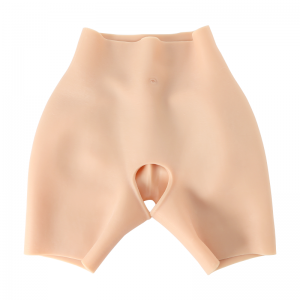
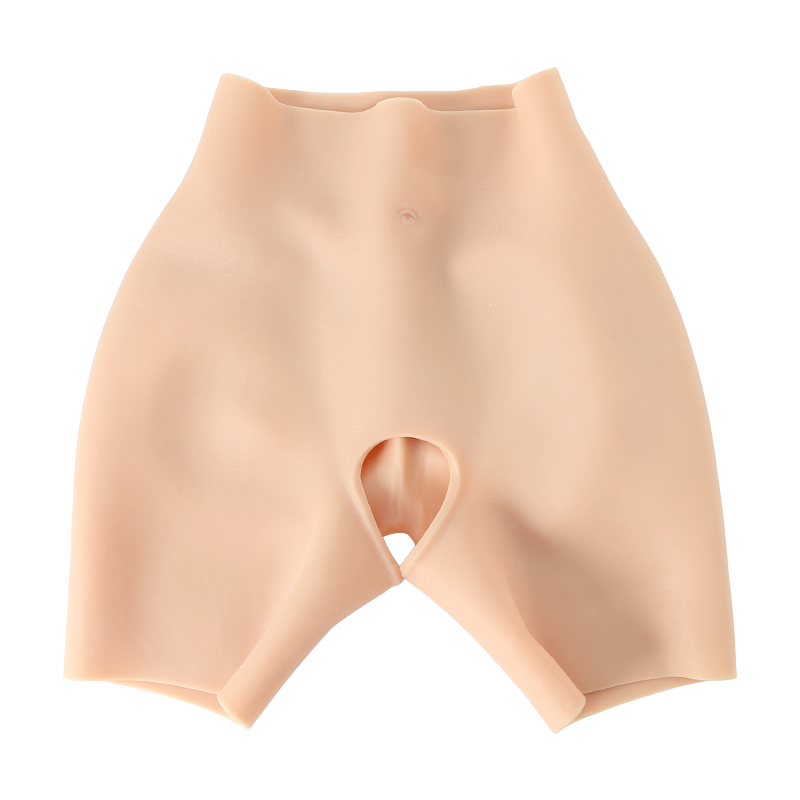
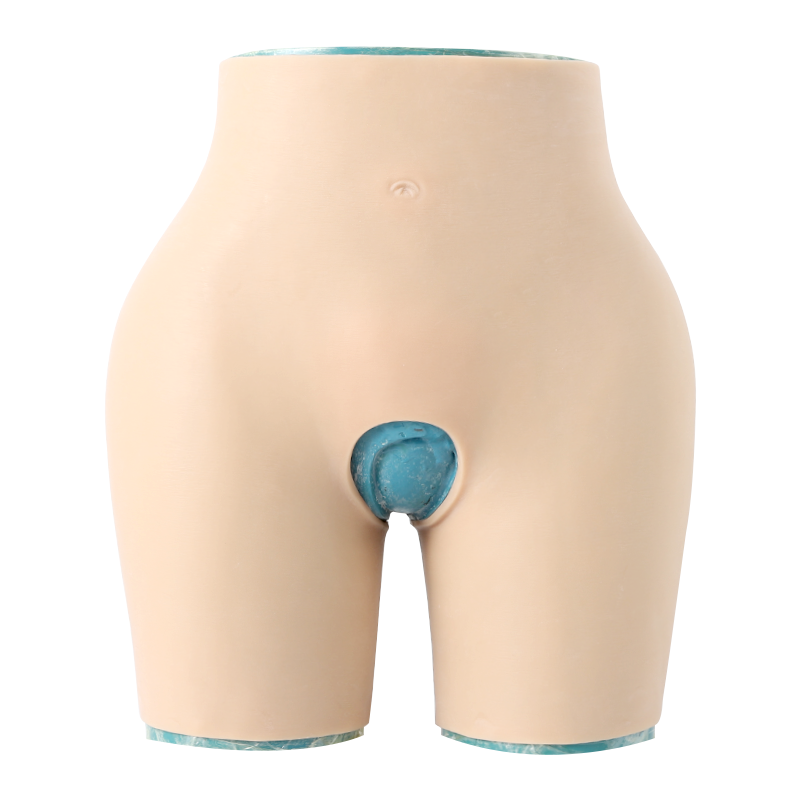
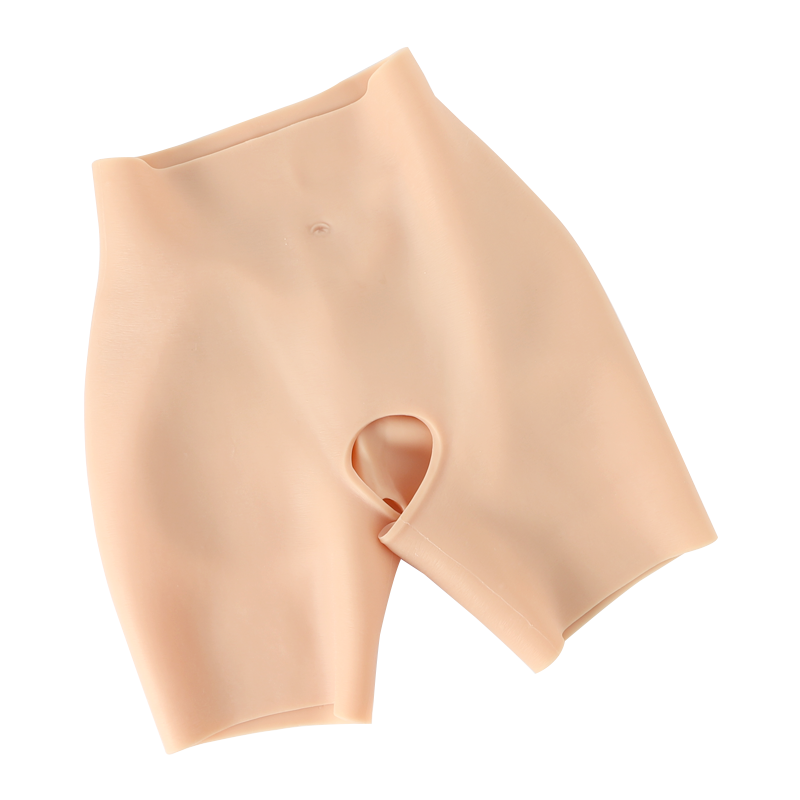
Silicone Shapers (Butt/Hip Pads): These are designed for contouring and projection. Unlike breast forms, which aim to replicate soft tissue, shaper pads are often designed to add volume to specific skeletal areas (hips or glutes). The engineering focus here is on structural reinforcement—ensuring the pads remain stable and invisible under clothing while mimicking the firmness of muscle rather than the softness of glandular tissue.
2. Material Density and Formulation
-
Softness vs. Firmness: Breast forms require a “soft-touch” silicone that feels natural to the skin. In contrast, silicone shapers often utilize a slightly firmer, high-density silicone to prevent the pad from “bottoming out” or flattening under the pressure of clothing or body weight during movement.
-
Durability Requirements: Because shapers are worn over areas that experience significant pressure (sitting, walking, and friction), the surface tension and tear resistance of the silicone must be higher than that of traditional breast forms.
3. Merchandising and Market Positioning
For your retail store or e-commerce platform, these products cater to different consumer triggers:
| Feature | Silicone Breast Forms | Silicone Shapers (Butt/Hip) |
| Primary User Goal | Restoration & Silhouette | Aesthetic Enhancement & Curves |
| Fashion Compatibility | Bras & Lingerie | Leggings, Dresses, & Denim |
| Retail Positioning | Medical/Comfort/Intimates | Fashion/Athleisure/Shapewear |
| Customer Concern | Skin irritation & weight distribution | Stability & “Invisible” edge transition |
4. B2B Strategy: Why You Should Stock Both
It is common for retailers to experience cross-purchasing. A customer looking for breast forms for aesthetic or post-surgical purposes is statistically likely to be interested in holistic body contouring.
-
For Distributors: Stocking both allows you to sell “Full-Body Solutions.”
-
For Retailers: Cross-merchandising these products creates a “Transformation Corner” in your store, increasing the average transaction value by pairing breast forms with shaper panties or hip pads.
5.Key Takeaway for Procurement
When speaking with your supplier, ensure you are not using the same quality criteria for both. Ask your manufacturer about Shore Hardness (A-scale):
-
Breast Forms should generally have a lower Shore hardness to maintain a “natural feel.”
-
Shaper Pads often benefit from a slightly higher Shore hardness to ensure the volume remains consistent throughout the day.
6.Elevate Your Collection with Professional-Grade Solutions
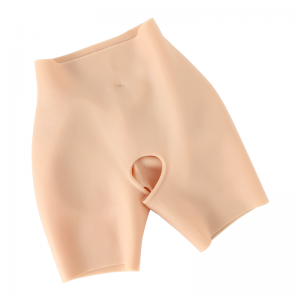
At [Your Company Name], we understand that silicone products are not one-size-fits-all. Whether you are looking to expand into high-density shaper panties or soft-touch breast prosthetics, we provide:
-
Engineered Quality: Materials specifically formulated for the different pressures of the chest vs. the hips.
-
Scalable Supply: Consistent quality across large-volume orders for supermarket and retail chain requirements.
-
Marketing Support: Detailed technical sheets that help your sales team explain the differences to end-consumers.
Conclusion: Investing in Precision-Engineered Body Solutions
Ultimately, the distinction between Silicone Breast Forms and Silicone Shapers lies in their intended purpose: one provides natural restoration and balance, while the other offers structural enhancement and contouring. For the modern retail buyer or business owner, mastering these nuances is not just about product knowledge—it is about curating a complete experience for your customers.
Post time: Jun-03-2026