
introduction
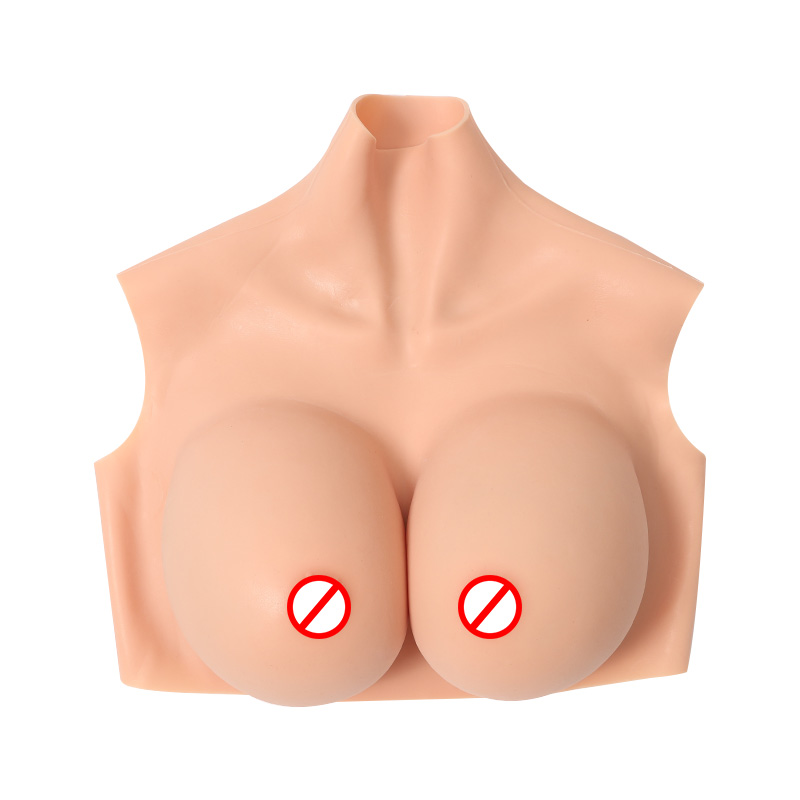
For medical supply distributors, e-commerce private labels, and global retail chains, adding silicone breast forms to your product portfolio is a high-margin strategic move. However, because these products involve direct skin contact and serve sensitive niche markets (such as post-mastectomy care, cross-dressing, and cosplay), choosing the wrong manufacturing partner can lead to catastrophic brand damage, customs seizures, or high return rates.
When auditing a potential silicone breast form manufacturer, global procurement managers must look beyond the initial price-per-piece quote. Here are the critical benchmarks a world-class manufacturer must meet.
1. Regulatory Compliance and Material Certifications
Silicone breast forms are classified as external breast prostheses. Depending on your target market, they may fall under medical device regulations. A reputable manufacturer must provide verifiable, international certifications.
-
US Market (FDA): Look for an FDA-registered facility. If marketing as a medical prosthetic, the product should have a 510(k) clearance or compliance tracking.
-
European Market (CE & MDR): Ensure the manufacturer complies with the European Medical Device Regulation (MDR) and bears the CE mark.
-
Skin Safety (ISO 10993): This is non-negotiable. The silicone must pass Biocompatibility Testing (ISO 10993) for cytotoxicity, sensitization, and intracutaneous reactivity to guarantee it won’t cause allergic reactions.
-
Chemical Compliance: Ensure materials are certified under REACH (Europe) and RoHS to prove they are free from harmful phthalates and heavy metals.
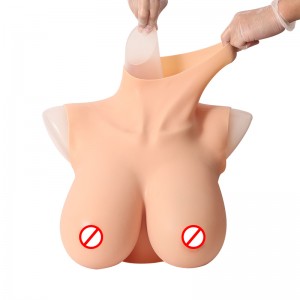
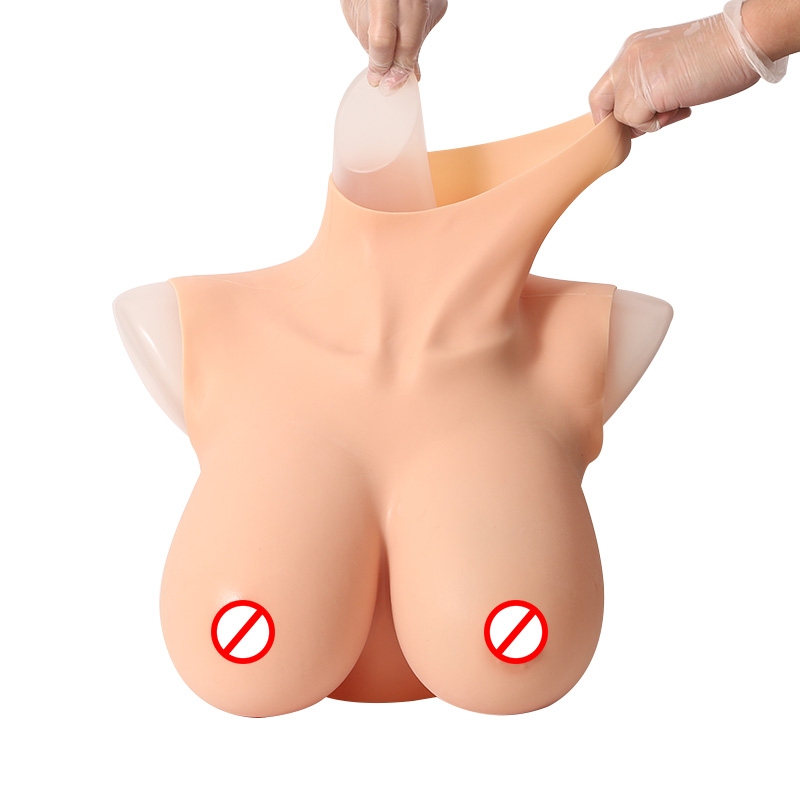
2. Raw Material Grade: Liquid Silicone Rubber (LSR) vs. Solid Silicone
The realism, lifespan, and safety of a breast form depend entirely on the silicone chemistry used.
Procurement Rule: Always demand Medical-Grade Liquid Silicone Rubber (LSR).
Lower-tier manufacturers often use industrial-grade silicone or cheap gels wrapped in polyurethane film to cut costs. While they look acceptable at a glance, they fail commercial standards in three ways:
-
Durometer (Softness): Medical LSR mimics human tissue density perfectly, maintaining a natural “bounce” and sway.
-
Durability: Cheap silicone tends to oil out (leach chemicals), leak under pressure, or harden over time.
-
Anti-Yellowing: High-quality forms are treated with UV-stabilizers to prevent the silicone from yellowing under display lights or sunlight.
3. Advanced Engineering and Product Variety
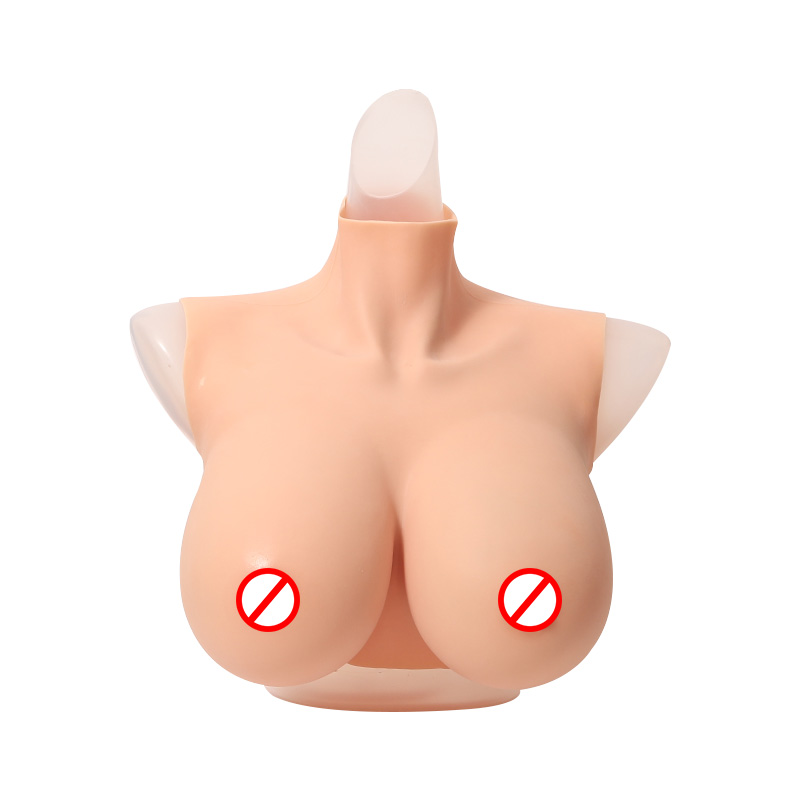
A broad catalog indicates strong R&D capability. Your manufacturer should not just offer one standard mold; they should be able to supply variations that cater to diverse global demographics:
| Feature | What to Look For | Why it Matters to Retailers |
| Shape Diversity | Triangular, Teardrop, Round, and Asymmetrical molds. | Matches different surgical scars and body types, reducing retail return rates. |
| Weight Mechanics | Standard weight vs. Lightweight silicone (hollow or foam-infused). | Lightweight forms reduce back strain for daily wearers—a major selling point. |
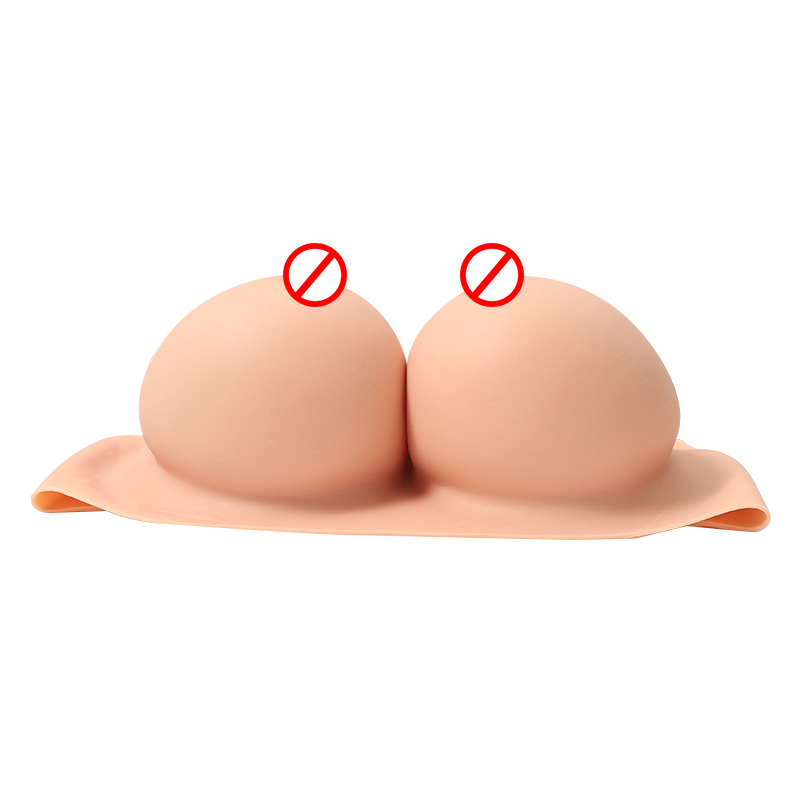
| Backing Designs | Concave/Hollow-back with ventilation channels vs. Flat-back. | Concave backs allow airflow, preventing sweat accumulation and skin irritation. |
| Attachment Tech | Integrated self-adhesive backing vs. Pocket-bra compatibility. | Self-adhesive forms require advanced, medical-grade reusable glue engineering. |
4. Strict Quality Control and Defect Tolerances
Silicone molding is susceptible to cosmetic and structural defects if the factory climate and machinery are poorly managed. When auditing a factory’s Quality Assurance (QA) workflow, confirm they check for:
-
Micro-Air Bubbles: Internal bubbles compromise structural integrity, leading to ruptures under physical pressure.
-
Polyurethane (PU) Film Sealing: The outer skin film must be welded seamlessly. Weak seams cause the inner silicone gel to leak during shipping or washing.
-
AQL Standards: A world-class factory should operate under AQL 1.5 or 2.5 (Acceptable Quality Limit) for major defects, offering transparent replacement policies for bulk shipments.
-
5. OEM/ODM Capabilities and Supply Chain Stability
Major supermarkets and private labels require customization, from custom skin tones to bespoke packaging. Your manufacturing partner should offer:
-
Custom Skin-Tone Matching: The ability to produce stable, non-fading pigments ranging from fair to deep tones to fit inclusive global markets.
-
In-House Mold Making: Speeds up your time-to-market for custom shapes and reduces initial tooling costs.
-
Scalable Capacity: Ensure the factory uses automated liquid injection molding machines rather than purely manual pouring, ensuring consistency across high-volume orders (e.g., 10,000+ units per month).
-
Secure Packaging Solutions: Breast forms deform easily if compressed poorly. The manufacturer must offer custom blister trays or rigid magnetic boxes that protect the product shape during extended sea freight.
-
-
6. Value-Added Services and Long-Term Partnership Support
For tier-one distributors and chain supermarkets, a factory’s value isn’t confined to the production line. The top-tier manufacturers distinguish themselves by offering operational and marketing alignment that helps you sell faster at the retail level:
-
Compliant Multilingual Packaging: Major retail chains across Europe and South America require packaging that complies with local language laws and labeling regulations (e.g., dual-language ingredient and safety inserts). A capable manufacturer should provide turnkey, retail-ready box designs.
-
Flexible MOQ Scaling for New Product Launches: While large factories prefer high volumes, a true strategic partner offers lower Minimum Order Quantities (MOQs) for your pilot product lines or new market testing, scaling up as your validation succeeds.
-
Marketing Asset Provision: High-converting e-commerce private labels rely heavily on visual assets. Leading manufacturers often provide white-label, high-definition 3D renders, lifestyle photography, and technical cross-section diagrams that your marketing team can immediately deploy on Amazon, Shopify, or in-store catalogs.
Conclusion: Mitigating Risk in High-Stake Sourcing
Selecting a silicone breast form manufacturer is not a standard commodity purchase; it is a high-stake partnership that directly impacts your brand’s regulatory compliance and customer safety. A low unit cost means nothing if a shipment is seized at EU customs due to lack of CE documentation, or if a retail chain faces high return rates because of leaking seams or skin irritation.
When finalizing your global sourcing strategy for North America, Europe, or the Middle East, prioritize partners that demonstrate:
-
Uncompromised material integrity through medical-grade Liquid Silicone Rubber (LSR).
-
Ironclad legal compliance backed by FDA registrations, CE MDR marks, and ISO 10993 skin safety certifications.
-
Industrial scalability via automated molding tech paired with strict AQL inspection protocols.
By auditing your potential suppliers against these core benchmarks, procurement managers can securely tap into the high-margin personal care and prosthetics market, ensuring sustained profitability and flawless brand reputation.
-
Post time: May-25-2026