
Introduction
For buyers, retailers, and distributors in the apparel and lifestyle sectors, understanding the “how” behind a silicone bodysuit is crucial. Unlike traditional textile garments that rely on weave and stretch fibers, a silicone bodysuit operates on the principles of material science, ergonomic engineering, and dermatological safety.
1. Material Mechanics: The Power of Molecular Elasticity
The core of a silicone bodysuit lies in its cross-linked polymer structure. Silicone is a synthetic elastomer, meaning it has the unique ability to return to its original shape after being deformed, regardless of how much it is stretched.
-
High Tensile Strength: Unlike cheap synthetic polymers, medical-grade silicone maintains its molecular integrity even under high tension. This allows the bodysuit to provide a “second-skin” fit that conforms perfectly to the body without losing shape over time.
-
Thermal Conductivity: Silicone interacts with body heat efficiently. It warms up to match the wearer’s skin temperature rapidly, making it comfortable for prolonged wear—a key selling point for your end-customers.
2. Ergonomic Engineering: How It “Fits”
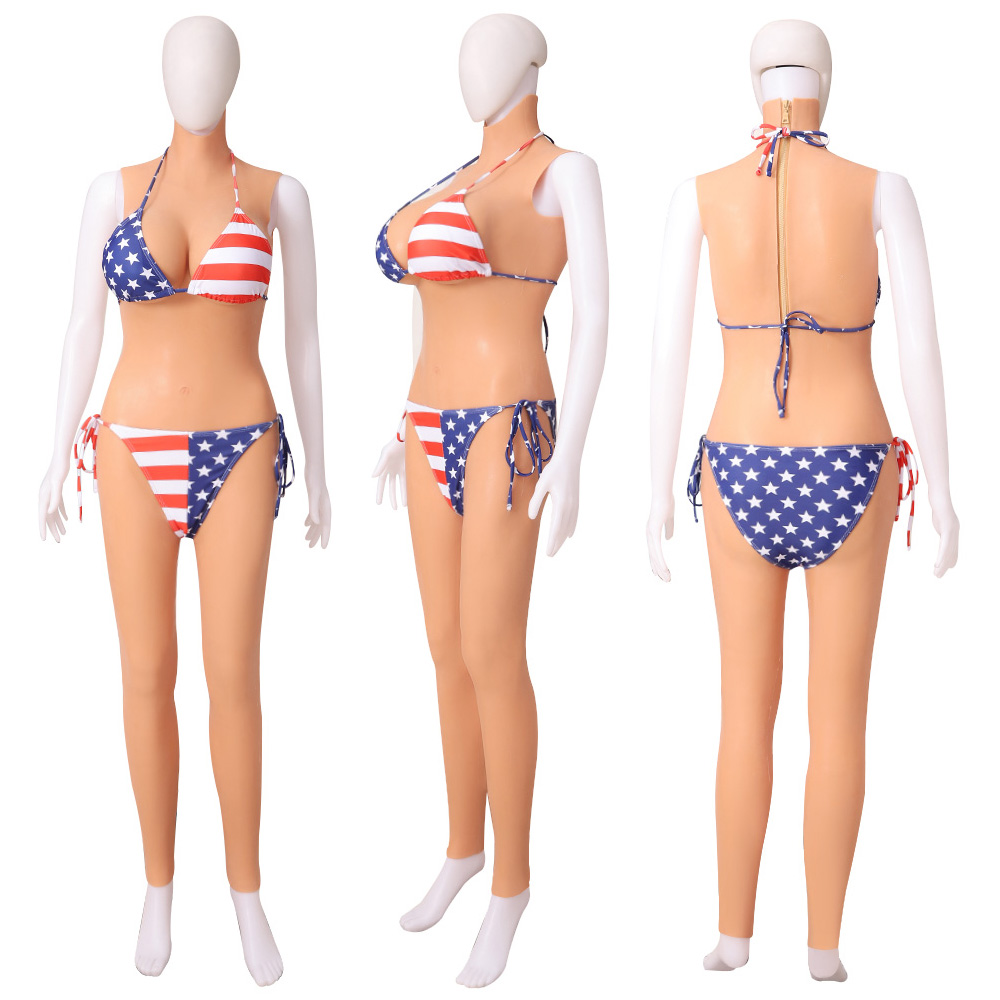
A silicone bodysuit doesn’t “stretch” in the way a cotton t-shirt does; it conforms. The design process involves:
-
Compression Mapping: Engineers design the thickness of the silicone to vary in different areas. Thinner layers are used in high-movement zones (like joints), while thicker, more structured areas are used where support is needed.
-
Vacuum Adhesion: When applied to the skin, a high-quality silicone bodysuit creates a semi-vacuum effect. The smooth interior surface eliminates air pockets, causing the garment to adhere securely to the skin without the need for adhesives or complicated clasps.
3. Dermatological Safety and Texture
For commercial buyers, safety is the highest priority. How it works on the skin is just as important as how it looks:
-
Hypoallergenic Interface: Medical-grade silicone is inert, meaning it does not react with the skin. It acts as a barrier, preventing irritation.
-
Surface Tension Management: The outer surface is typically treated with a matte or textured finish to prevent the “tacky” feeling commonly associated with raw silicone. This ensures the garment feels smooth to the touch, similar to high-end sports apparel.
4. The Functional Benefits for the End-User
When you are marketing or distributing these products, focus on these three operational advantages:
-
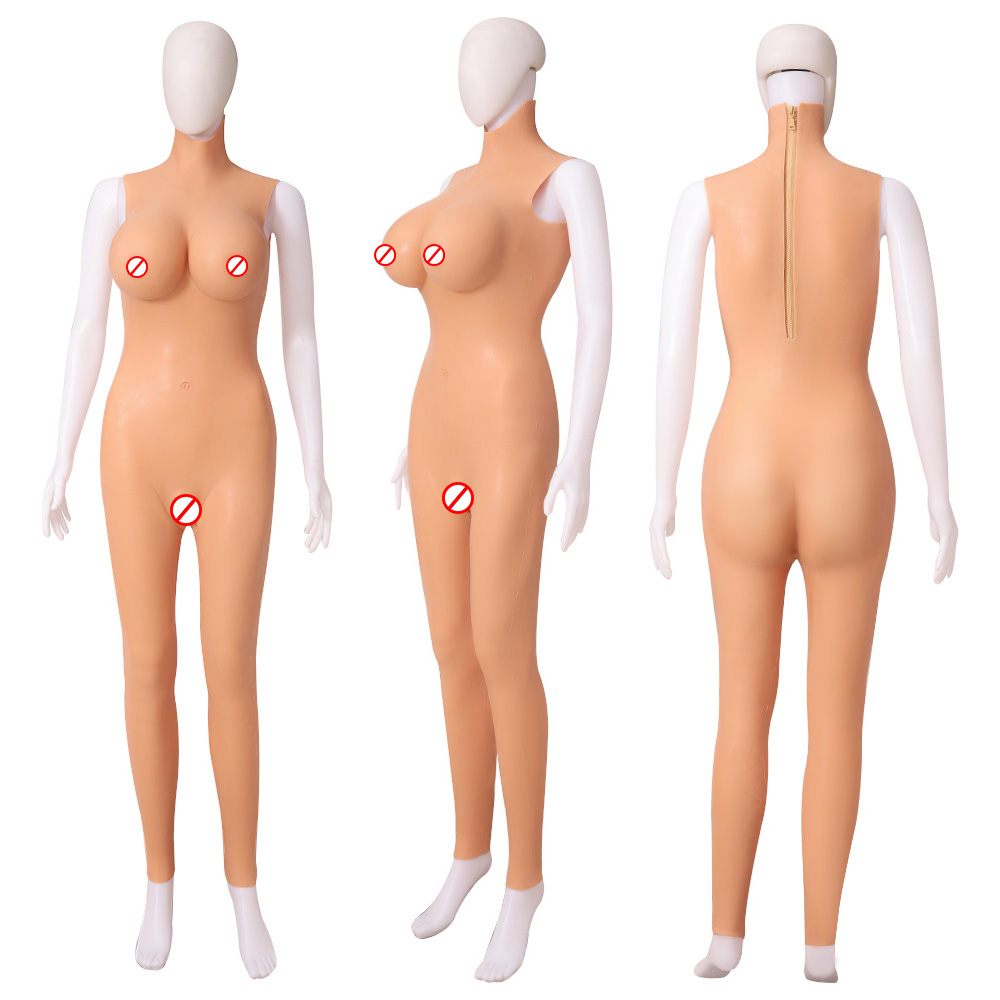
Seamless Silhouette: Because it lacks the seams, hems, and stitching of traditional fabric, the bodysuit works to create a completely smooth visual line under other clothing or as a standalone aesthetic piece.
-
Moisture Resistance: Silicone is naturally hydrophobic. It does not absorb sweat, making it exceptionally easy to clean—a major value-add for lifestyle retailers.
-
Durability: Unlike Lycra or Spandex, which degrade after repeated wash-and-wear cycles, silicone is highly resistant to UV light, oxidation, and chemical exposure, ensuring a long product shelf life.
5. Durability: Why Quality Control Matters in Production
For large-scale retailers and distributors, the longevity of a product directly impacts return rates and brand reputation. A well-engineered silicone bodysuit undergoes rigorous “stress-testing” during the manufacturing process to ensure consistent performance across large batches.
-
Elongation at Break: Our production process includes testing the silicone’s ability to stretch significantly beyond its normal capacity without tearing. This is vital for garments that undergo frequent pulling and fitting.
-
Elastic Memory Retention: We test the material’s “bounce-back” capability. After 500+ cycles of stretching, high-quality silicone must return to its original form within a 2% tolerance margin. This ensures that the garment stays as effective on day 100 as it was on day one, reducing the likelihood of quality-related complaints from your end-customers.
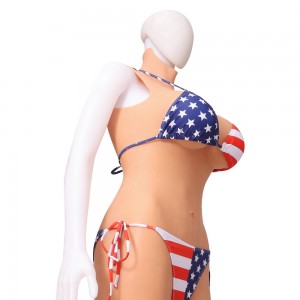
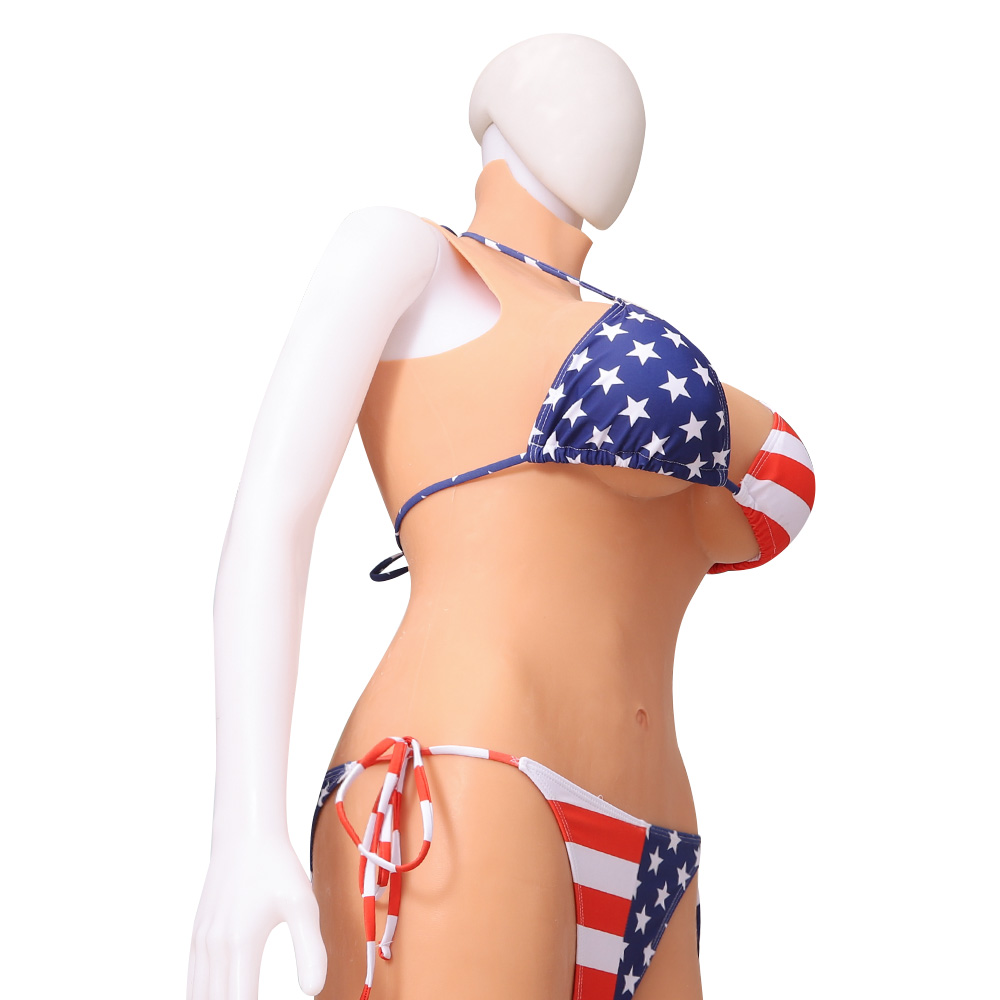
6. Retail Advantages: Maintenance, Display, and Shelf-Life
From a merchandising perspective, the “workings” of a silicone bodysuit offer distinct advantages over traditional apparel in a retail environment:
-
Maintenance & Hygiene: Unlike textile garments that are susceptible to stains, odors, and dust, silicone is non-porous and anti-microbial. It can be sanitized with simple soap and water, making it an ideal “demo product” for brick-and-mortar display units.
-
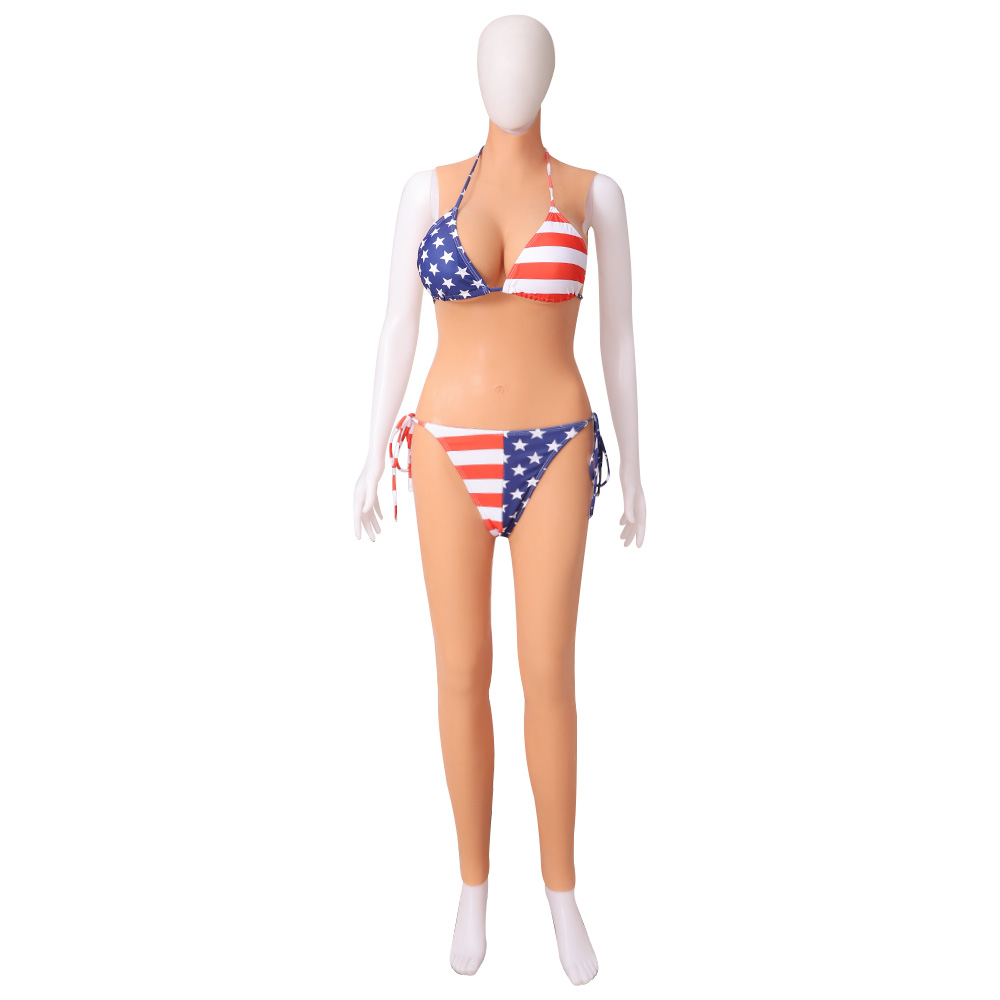
Visual Merchandising: Because silicone maintains its shape even when displayed on a mannequin or hanger, it retains its premium aesthetic without the need for constant adjusting or steaming. It offers a “crisp” display look that attracts high-end consumers.
-
Inventory Stability: Silicone does not shrink, fade, or lose elasticity due to humidity or temperature fluctuations in warehouses. This superior shelf-life makes it an excellent candidate for long-term inventory management, allowing you to stock across seasons without the risk of product degradation.
Conclusion
When evaluating a supplier, ask for the Material Safety Data Sheet (MSDS) and information regarding the curing process (e.g., Platinum-catalyzed vs. Tin-catalyzed). A superior silicone bodysuit works because it balances elasticity, inertness, and structural precision.
By understanding these technical pillars, you can better position your product in the market—not just as a garment, but as a high-performance, engineered lifestyle accessory.
Would you like me to draft an email template based on this technical information that you can use to pitch your products to potential wholesale buyers or retail chains?
Post time: Jun-12-2026