
Introduction
In the world of professional performance, film production, and high-end cosplay, the silicone muscle suit has become an indispensable tool. It bridges the gap between reality and performance, allowing for an instant, dramatic transformation of the human physique. But how exactly does a piece of “wearable silicone” achieve such a realistic effect?
Understanding the mechanics behind these suits is essential for distributors, procurement managers, and industry professionals looking to invest in quality equipment. Here is a breakdown of how they work.
1. The Core Principle: Anatomical Replication
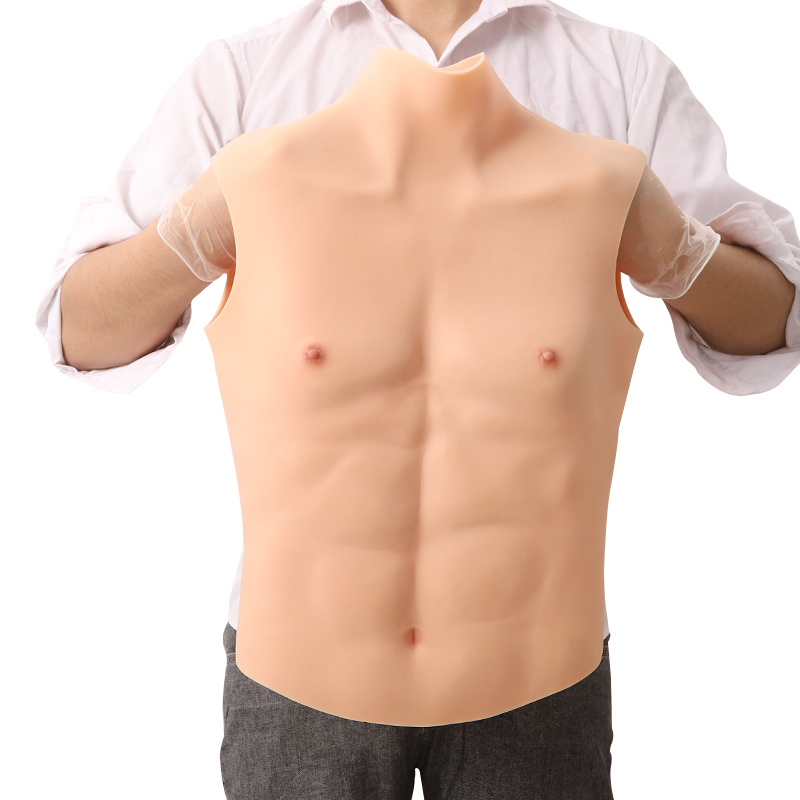
At its heart, a silicone muscle suit is a form-fitting, molded prosthetic. Unlike traditional foam padding, which can appear bulky or stiff, silicone is used because it possesses properties similar to human tissue—specifically its density, weight, and elasticity.
-
Sculpting & Molding: Professional suits begin as detailed sculptures based on real muscular anatomy. Master sculptors carve every fiber, vein, and contour into clay.
-
The Mold Process: Once the master sculpture is complete, a high-precision mold is created. This ensures that every suit produced retains the exact anatomical details of the original design, providing a level of definition that is physically impossible to achieve through gym training alone in a short timeframe.
2. The Material Advantage: Medical-Grade Silicone
The “work” of the suit is largely done by the material itself. High-end manufacturers utilize medical-grade platinum-cured silicone. This choice of material is deliberate for several reasons:
-
Biomimicry (The “Jiggle”): Platinum silicone has a unique “shore hardness” rating that allows it to mimic the movement of real muscle and fat. When the wearer moves, the suit follows with a natural, subtle bounce—it does not hold a rigid shape like plastic or heavy foam.
-
Temperature Adaptability: Silicone naturally adopts the temperature of the wearer’s body. After a few minutes of wear, the suit feels warm to the touch, further enhancing the illusion of real skin.
3. Engineering the “Second Skin” Fit
A muscle suit works only if it remains undetected. To achieve this, engineers focus on tapered edge technology:
-
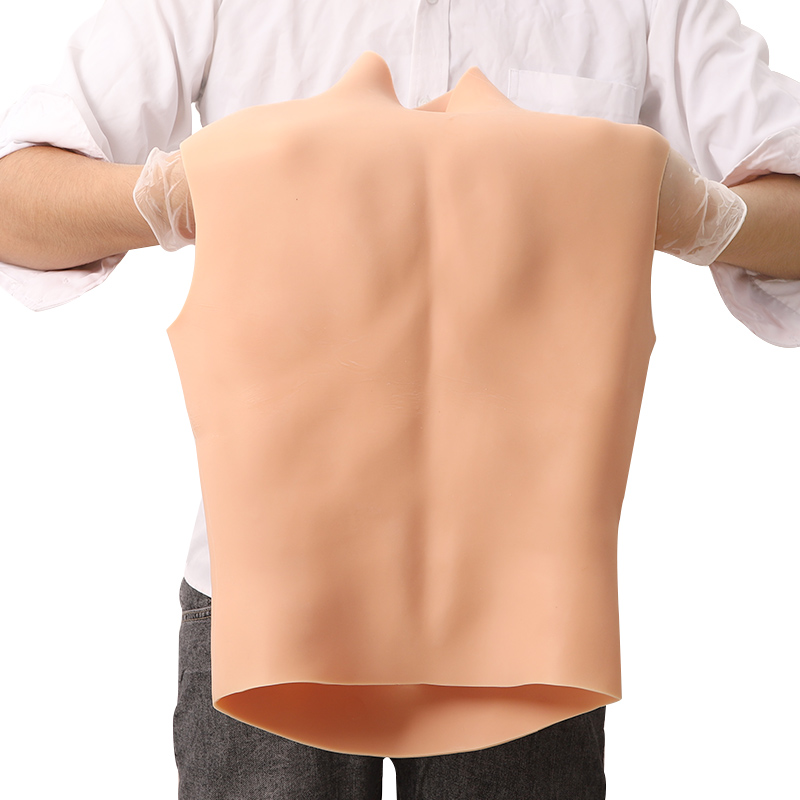
Seamless Transitions: The edges of the suit are crafted to be paper-thin. When placed against the wearer’s skin, these edges flatten out, becoming virtually invisible. This allows the suit to blend into the wearer’s real skin, making the transition point undetectable even under high-definition cameras.
-
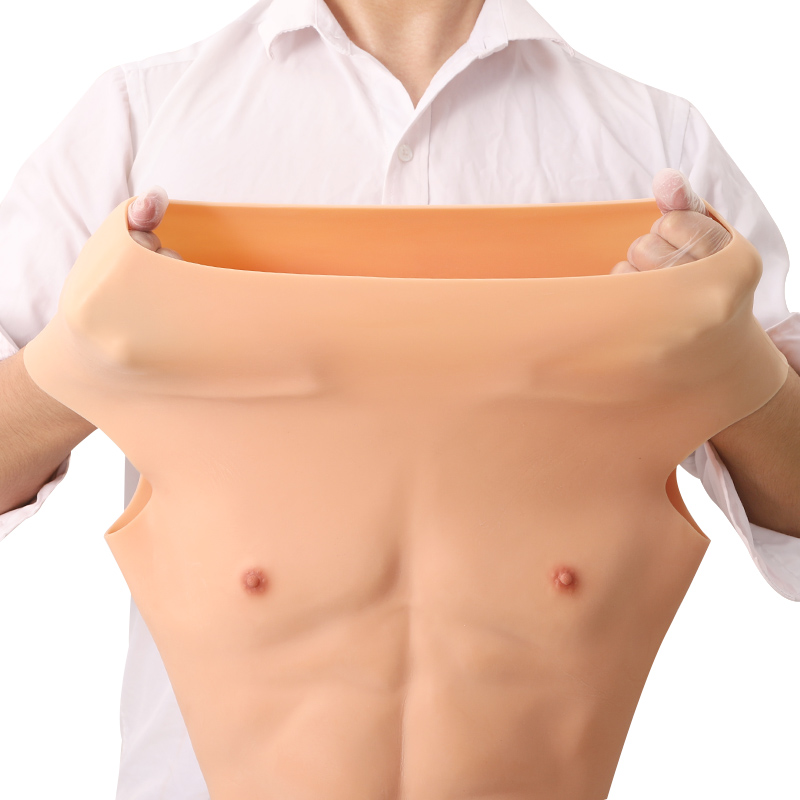
Stretch Factor: To be functional, the suit must accommodate a wide range of motion. The silicone is mixed with specific additives to ensure it can stretch up to 500%–700% of its original size without tearing, allowing the wearer to breathe, bend, and perform athletic movements naturally.
4. Coloration and Texture: The Visual Illusion
A muscle suit is not just about shape; it is about skin simulation.
-
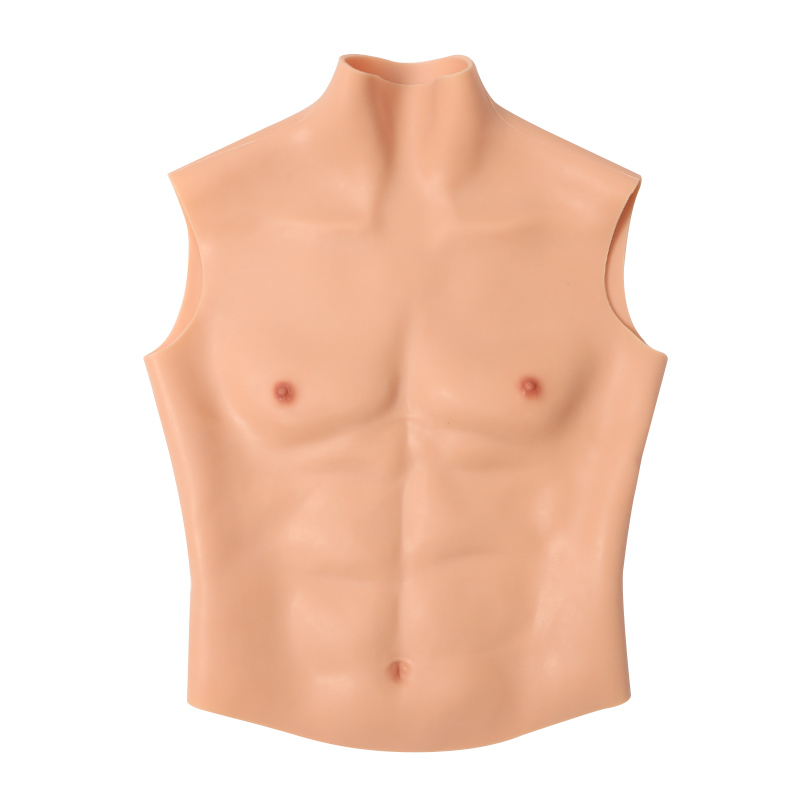
Layered Pigmentation: High-quality suits are not just “painted” one color. Manufacturers use layered silicone pigments to mimic the translucency of human skin. This includes adding subtle vein details, pores, and skin mottling (variations in color tone) that occur naturally in real human skin.
-
Matte Finishing: By applying a specialized anti-glare finish, the suit prevents the artificial, plastic-like “shine” often found in cheaper alternatives, ensuring it looks natural under stage lighting, sunlight, or studio flashes.
5. Why This Matters for Professionals
For a distributor or commercial buyer, understanding these mechanics is vital for quality control:
-
Durability: The chemistry behind the silicone determines whether the suit will tear or harden over time. Platinum-cured silicone is resistant to oxidation, ensuring a longer shelf life and higher return on investment for rental companies.
-
Safety: Because the suit comes into direct contact with the skin, the use of hypoallergenic, non-toxic materials is non-negotiable for large-scale retail distribution.
-
User Experience: A well-engineered suit with internal airflow channels and an optimized weight-to-bulk ratio ensures the end-user (actor, model, or cosplayer) can perform at their best without overheating.
6.Bridging the Gap: The Role of the Muscle Suit in Modern Entertainment and Retail
Beyond the mechanics of the material, the true “function” of a silicone muscle suit is its role as a transformative tool in content creation and business. In an era dominated by high-definition media, short-form video, and immersive entertainment, the demand for instant visual impact is higher than ever. For distributors and retail partners, these suits represent a bridge between the customer’s desire for immediate transformation and the practical reality of time constraints. Whether used by a production studio to save thousands of dollars on expensive post-production VFX, or sold in a high-end lifestyle store as the ultimate “confidence-boosting” apparel for a high-stakes photoshoot or event, the suit functions as a high-performance asset. It is not just a costume; it is an efficiency solution that delivers professional, cinematic results in seconds, making it a high-value commodity in the global marketplace.
Conclusion
A silicone muscle suit works by harmonizing sculptural precision, material chemistry, and optical illusion. It does not merely cover the body; it interacts with it. For businesses looking to enter or expand in this market, focusing on products that prioritize high-grade silicone, advanced anatomical sculpting, and invisible seam technology is the key to delivering the “wow” factor that clients demand.
Post time: Jun-15-2026