
Introduction
For retailers, medical supply store owners, and brand distributors, understanding the nuances between product materials is the key to customer satisfaction. When it comes to post-mastectomy care and breast forms, the debate often narrows down to two main options: Silicone and Foam.
In this article, we compare these two materials from a business perspective to help you decide which one deserves a larger share of your shelf space.
1. Silicone Breast Forms: The Gold Standard for Realism
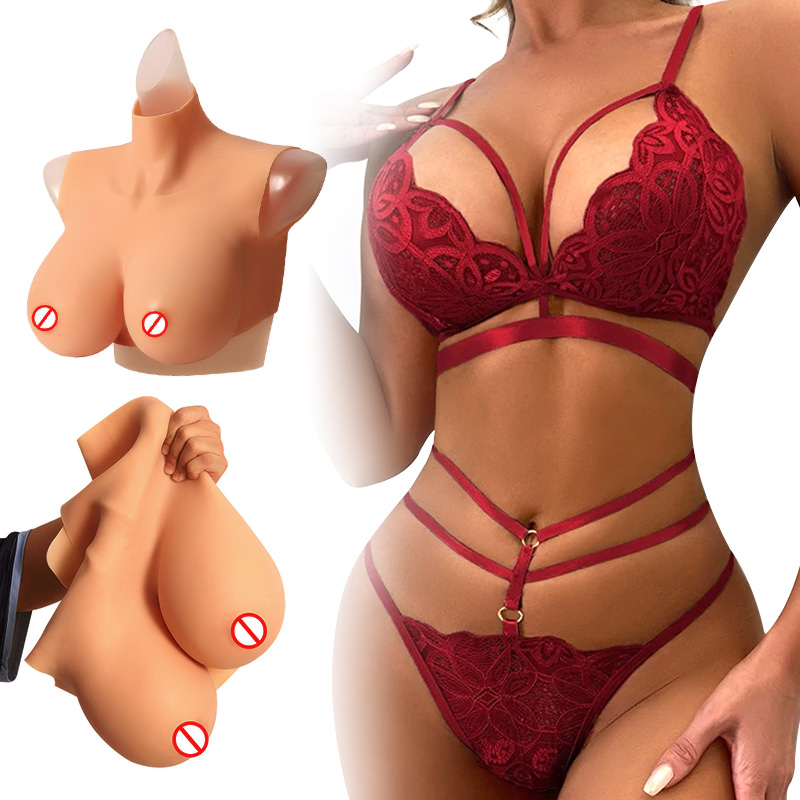
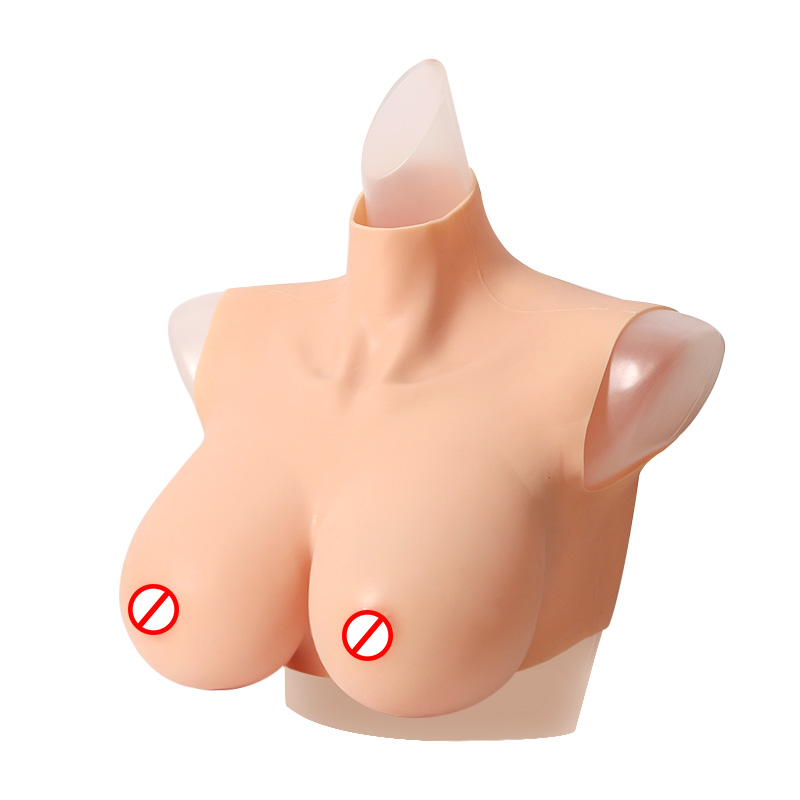
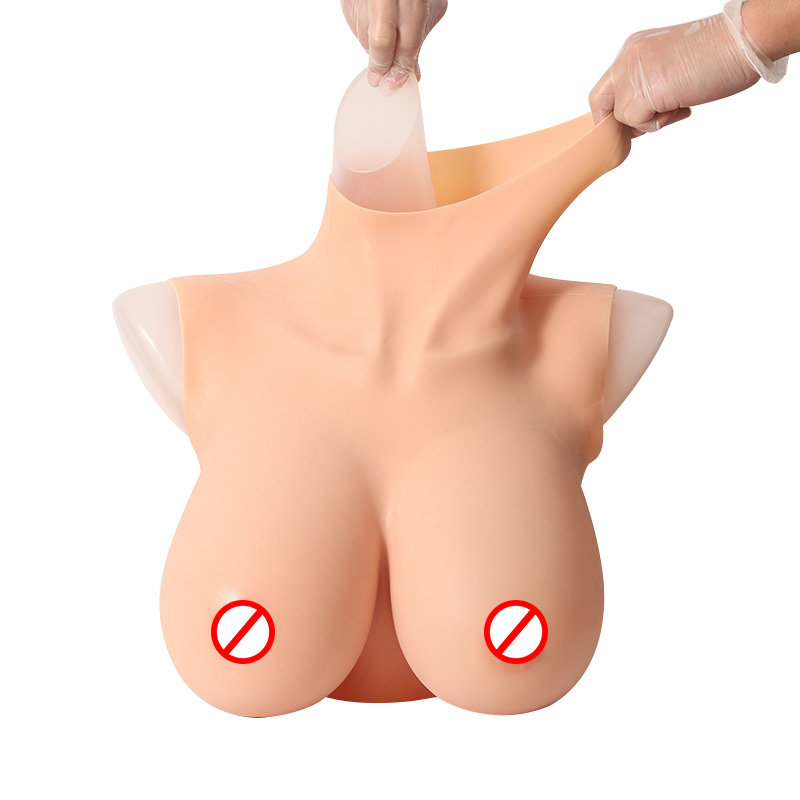
Silicone breast forms have become the industry favorite for a reason—they mimic the weight, movement, and texture of natural breast tissue more closely than any other material.
Key Advantages:
-
Realistic Feel & Movement: Silicone naturally mimics the “swing” and softness of human tissue. As the wearer moves, the form moves with them, providing a high level of confidence.
-
Weight Benefits: Because silicone is denser, it mimics the weight of a natural breast. This is crucial for balance; it prevents the wearer from experiencing shoulder or back pain caused by lopsided posture after surgery.
-
Durability: High-quality medical-grade silicone is long-lasting, heat-resistant, and easy to clean. It is a premium product that offers a better long-term return for the end-user.
-
Skin Compatibility: Modern, medical-grade silicone is hypoallergenic and safe for prolonged skin contact, making it the preferred choice for those with sensitive skin.
2. Foam Breast Forms: The Lightweight Alternative
Foam forms (often referred to as “leisure forms” or “soft forms”) are primarily made from polyurethane or polyester fiberfill. They are designed for comfort and short-term use.
Key Advantages:
-
Superior Breathability: Foam is lightweight and airy. In hot climates or during intense summer months, many users prefer foam because it doesn’t trap heat or sweat.
-
Budget-Friendly: For retailers looking to reach price-sensitive segments or for customers who need a temporary solution (e.g., while waiting for surgery recovery), foam forms offer an attractive, low-cost entry point.
-
Ease of Use: They are extremely lightweight, making them ideal for lounging at home or sleeping, where the weight of silicone might feel unnecessary.Comparison Table: At a Glance
| Feature | Silicone Breast Forms | Foam Breast Forms |
| Realism | High (Life-like) | Low (Artificial) |
| Weight | Weighted (Balanced) | Very Light |
| Durability | High | Moderate/Low |
| Best For | Daily wear, social events | Sleeping, lounging, hot weather |
| Price Point | Premium | Economical |
| Retail Margin | Higher Profit Potential | Higher Sales Velocity |
3.Which Should You Stock?
For most professional distributors and retail chains, the answer is a balanced product mix.
-
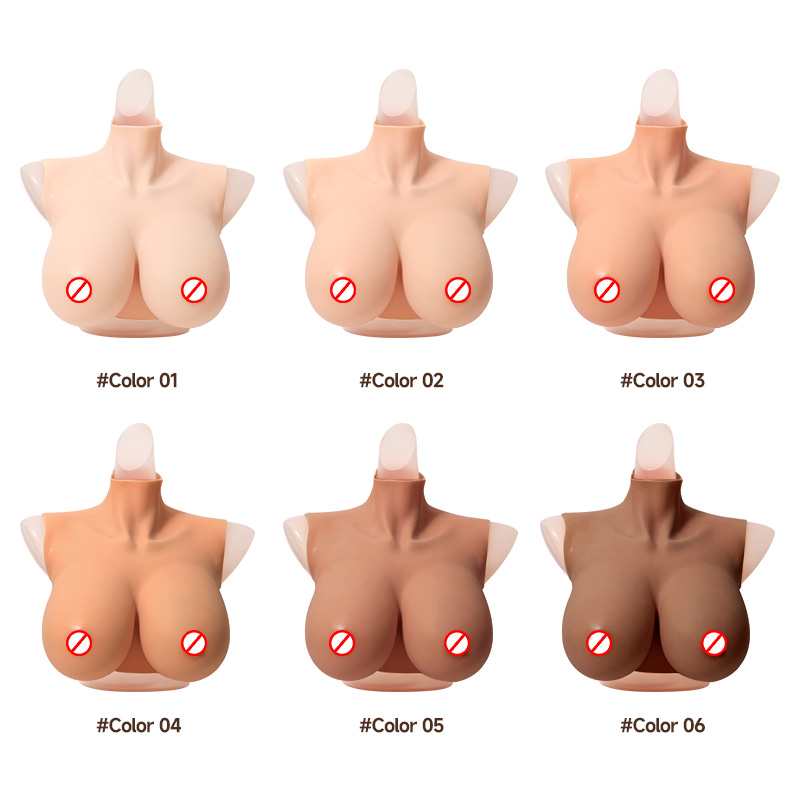
For High-End Boutiques & Medical Centers: Focus on Silicone Breast Forms. Customers in this channel prioritize quality, post-operative balance, and emotional confidence. Positioning your store as a supplier of premium, life-like forms builds long-term brand trust.
-
For General Retailers & Online Marketplaces: A hybrid inventory strategy is best. Offer silicone for daily confidence and foam as an “add-on” or “comfort” option. Marketing foam forms as “Sleep/Leisure Forms” effectively solves a specific customer pain point without cannibalizing your higher-margin silicone sales.
4. Maximizing Sales: The Strategy of Tiered Inventory
From a retail management perspective, your inventory shouldn’t just be about “either/or”—it should be about offering a complete care system. Savvy distributors are now adopting a tiered sales model: they bundle high-quality silicone forms with daily-wear bras, while cross-selling lightweight foam forms as “nighttime or recovery-phase alternatives.” By educating your retail clients on how to present these as a “Day-to-Night” solution, you can significantly increase the average order value (AOV) per customer, turning a single purchase into a long-term care relationship.
5. Why Quality Consistency Matters in the Silicone Market
For wholesale buyers, the biggest risk isn’t just the choice between silicone and foam; it is the consistency of the material in the silicone line. Unlike foam, which is easier to manufacture with uniform standards, silicone requires precise vulcanization processes. A sub-par silicone form can lead to issues like oily surfaces, premature yellowing, or skin irritation. When sourcing, always prioritize manufacturers who provide third-party certifications (like ISO or SGS). A consistent, high-quality product is the only way to avoid the hidden costs of customer returns and reputation damage in your local market.
6. The Role of Visual Merchandising and Education
If you are supplying to chain stores or physical retail outlets, the way silicone breast forms are displayed is critical. Unlike foam forms that are often sold in simple packaging, silicone forms deserve a “touch-and-feel” display experience. Providing your retail partners with high-quality counter displays, descriptive signage that explains the “weighted” benefits, and staff training materials on how to assist customers with sizing will dramatically improve your sell-through rates. Remember, you aren’t just selling a silicone object; you are selling the confidence that comes with a perfectly balanced fit.
Conclusion
While foam has its place in the market for its comfort and cost-effectiveness, silicone breast forms remain the primary choice for long-term customer satisfaction and brand loyalty. By stocking a high-quality range of silicone forms, you are not just selling a product; you are providing an essential solution for women’s health and well-being.
Are you looking to expand your inventory with high-quality, medical-grade silicone breast forms?
At [Your Company Name], we specialize in OEM/ODM manufacturing for global distributors. We provide competitive pricing, rigorous quality control, and the professional support you need to scale your brand.
Post time: Jun-11-2026