
Silicone Bra and Nipple Covers: Size Range and Reorder Planning
Profitable adhesive intimates programs depend on disciplined sizing and replenishment. This guide covers the diameter and cup ranges to standardize on, the skin tone palette that protects sell-through, and a reorder model built on supplier lead time.
Why the Size Matrix Drives Your Reorder Plan
For apparel and beauty buyers, silicone bra covers and nipple covers look like simple accessories, but the size grid you carry decides how often you restock. The practical move is to map your customer body data to a tight, repeatable size set and then schedule reorders against sell-through rather than calendar dates.
Standard Nipple Cover Diameters
Most reusable silicone nipple covers are produced in round or petal shapes. The common diameter range runs from 6 cm to 9 cm, measured edge to edge. Smaller 6 cm to 7 cm pieces suit petite frames and minimal-coverage looks. The 8 cm to 9 cm range covers fuller busts and delivers more secure edge adhesion. When you brief a factory, specify diameter in centimeters and request the tolerance band, since a half-centimeter drift changes both comfort and visible coverage under thin fabrics.
- 6 cm to 7 cm: petites, strapless and backless minimal styles
- 7.5 cm to 8 cm: the volume driver for everyday and occasion wear
- 8.5 cm to 9 cm: fuller coverage, stronger lift for larger busts
- Petal and flower cuts: decorative edges with the same core diameter classes
Silicone Bra Cover Cup Sizing
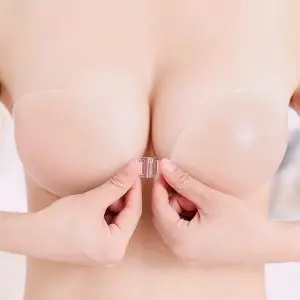
Adhesive silicone bra covers that provide lift follow a cup chart closer to traditional lingerie. Typical private label programs run from A through D or DD, with some suppliers extending to E and F for the plus segment. Because the product adheres directly to skin, band-less sizing relies on cup volume and wing spread rather than underbust measurement. Request a fit spec sheet so your QC team can verify cup consistency lot to lot.
Skin Tone and Color Matching Options
Skin tone availability is where many reorder plans fail. Stock programs usually offer three to five shades: porcelain, light beige, medium tan, caramel, and deep brown. Always order a physical shade card before committing to a production run, because screen and print previews distort silicone translucency.
Material Grades and Reusability
The adhesive and silicone grade set how many wears a unit delivers. platinum-cure silicone is the preferred grade for reusable programs because it resists yellowing and holds skin-safe certification more readily. Tin-cure alternatives cost less but age faster and suit single-use or promotional SKUs. The medical-grade adhesive layer, not the silicone shell, is the real cost and compliance driver. Specify expected wear count, say 15 to 30 reuses, and build that claim into your product testing rather than marketing copy.
Tip: Tie every reorder to a fixed sell-through threshold, such as reordering a shade only after it drops below three weeks of covered demand, instead of topping up the whole grid on a fixed monthly date.

Private Label and Customization Scope
Private label for these categories typically covers logo engraving on the storage case, custom pouch printing, and branded instruction cards. Mold changes for new diameters are capital intensive, so most buyers standardize on the existing diameter set and differentiate through packaging, shade cards, and bundle configuration. If you need a proprietary shape, budget for mold development lead time and a first-article approval cycle before volume production.
Reorder Cycle Planning
A working reorder model starts with your lead time, not your sales forecast. Map supplier production plus ocean or air transit, then hold safety stock equal to that window plus one week of demand. For a 30 to 45 day factory lead time plus 25 to 35 days transit, plan safety stock near nine to eleven weeks of average weekly sales per fast SKU. Slow shades can run leaner at four to six weeks.
- Fast movers: 9 to 11 weeks cover, reorder at the three-week threshold
- Medium shades: 6 to 8 weeks cover
- Slow tints: 4 to 6 weeks, bundle before replenishing
- New shades: pilot at 30 percent of a standard SKU depth
Compliance and Channel Requirements
Intimate adhesive products face stricter channel rules than standard apparel. nipple covers sold through mainstream marketplaces usually require plain packaging and non-explicit copy, while specialty adult retailers accept broader presentation. Keep documentation, including material declarations and test reports, ready for customs and platform audits so a single shipment does not stall your whole plan.
Frequently Asked Questions
What diameter nipple cover sells best?
The 7.5 cm to 8 cm round size is the volume driver across most markets because it balances discreet look and secure adhesion.
How many skin tones should a new program carry?
Start with three core shades, porcelain, beige, and tan, then extend to five once monthly volume justifies the extra safety stock.
Can cup sizing for lift covers replace a bra?
Adhesive silicone covers provide light lift and coverage for backless or strapless looks but are not engineered for high-impact support.
How often should I reorder?
Reorder against sell-through thresholds per SKU rather than a fixed calendar, using the lead-time based safety stock described above.
Which material grade protects repeat purchases?
Platinum-cure silicone with a skin-safe adhesive layer supports the 15 to 30 wear claim that drives reorder loyalty.
Related Pages
Different Types of Silicone Nipple Covers Explained for Buyers Why Private Label Silicone Nipple Covers Are a Profitable Opportunity Top Reasons Retailers Should Add Silicone Nipple Covers to Their Portfolio What Is a Silicone Nipple Cover? A Guide for Wholesale Buyers
Post time: Nov-13-2026